ABRACADABRA ® – red-yellow bedding floribunda rose - Kordes
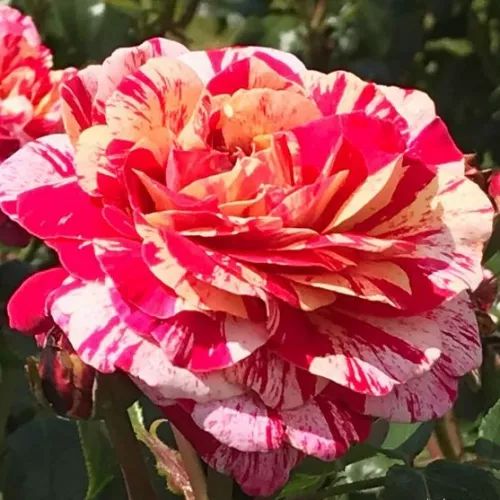
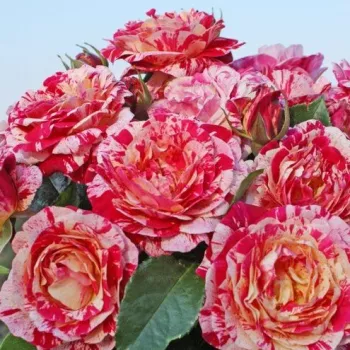
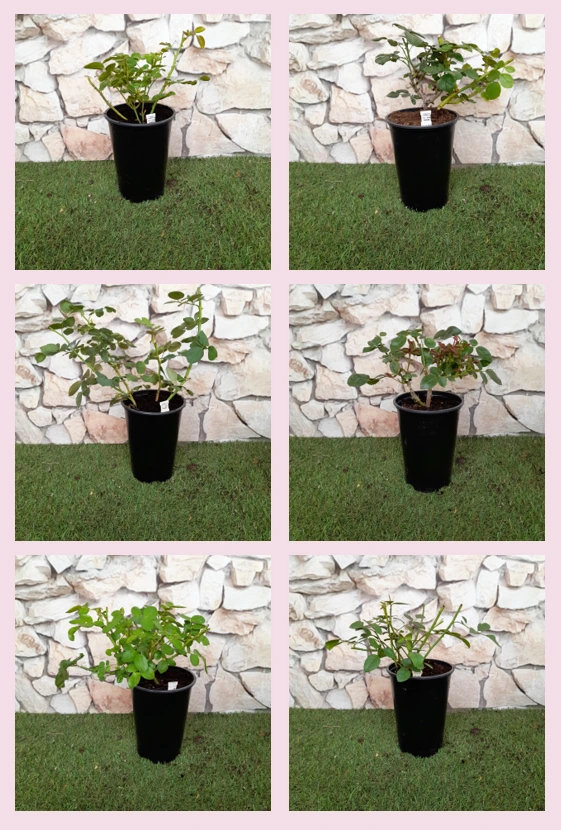
Imagine returning from a breezy shoreline walk to enjoy tea behind a gentle rose screen, where the striped blooms of ABRACADABRA ® catch the low sun like scattered shells on wet shingle. This compact floribunda offers generous, repeat flowering, creating colour from early summer well into autumn, while its own-root form underpins a long-lived, easily maintained planting. Ideal for small family gardens and coastal-style verandas, it settles reliably even where the wind bites, providing a calm, beautifully anchored counterpoint to gusty weather and occasional salt-laden showers. In a roomy 40–50 litre container or a narrow bed, its upright, bushy habit fits neatly into tight spaces, and with simple deadheading you encourage fresh clusters of its raspberry-and-cream blooms. Over time, roots in the first year, stronger shoots in the second, and a full, steady ornamental display by the third give you dependable impact without complicated gardening.
Usage options
| Target area |
Reasoning |
| Coastal veranda in large containers |
ABRACADABRA ® thrives in a roomy 40–50 litre pot, where its compact, upright form gives good height without overwhelming a small balcony or veranda. With sensible watering and a sheltered position, it copes well with brisk seaside breezes and light salt spray, anchoring exposed corners for beginners. |
| Small front garden flowerbed |
The tidy, bushy habit and modest spread make it easy to slip into a narrow front border, giving front doors and paths a smart, deliberate look. Its structured outline sits well with low grasses or lavender, creating a cared-for entrance with only occasional grooming for busy. |
| Long-season colour in family beds |
Remontant flowering ensures flush after flush of colour from early summer to late season, so the bed never feels bare between school holidays and weekend gatherings. Simple, regular deadheading keeps new buds coming, providing a reliable display for time-poor gardeners. |
| Low-maintenance focal shrub |
Dense glossy foliage and upright growth give this rose presence even when not in bloom, so a single plant can hold its own as a focal point. Its own-root build means better long-term resilience and the ability to regenerate after pruning, suiting long-term plans for homeowners. |
| Family seating area windbreak |
A row planted at 50–60 cm intervals forms a light, flowered screen that takes the edge off wind without blocking daylight. In British coastal gardens it offers dependable structure where the wind bites, providing shelter for an outdoor table used by young families. |
| Pollinator-supporting mixed border |
Semi-double blooms with partially accessible stamens provide modest interest for bees, especially when mixed with more open-flowered perennials. Planting alongside sea kale or knautia improves overall nectar value while the rose contributes colour structure for wildlife-conscious gardeners. |
| Clay soil family garden |
In typical heavy UK clay, planting into a well-prepared, freely draining pocket allows the strong own-root system to establish, then draw on deeper moisture in dry spells. This reduces stress and keeps foliage healthier with only medium maintenance from hobby gardeners. |
| Cut flowers for the kitchen table |
Clustered, large blooms with distinctive raspberry and cream striping make striking, informal vase material for everyday use. Regularly cutting stems encourages fresh flowering outdoors while bringing the coastal, holiday feel inside for design-aware urbanites. |
Styling ideas
- Seaside-Veranda Duo – combine ABRACADABRA ® in a 50 litre tub with blue Festuca and a sand-coloured gravel mulch for a soft, shingle-inspired look – for coastal-style balcony owners who want easy structure.
- Front-Door Welcome – plant as a pair flanking the path, underplanted with compact lavender to echo the striped blooms – for homeowners seeking a clean, low-effort entrance.
- Shell-Drift Border – weave through a narrow bed with sea kale and pale grasses, letting the rose provide colour punctuation – for gardeners designing a relaxed, beach-holiday feel.
- Family-Haven Screen – create a loose hedge near a seating area, backed by evergreen Ilex crenata, to soften wind and frame family gatherings – for those needing privacy without heavy maintenance.
- Kitchen-Table Patch – dedicate a small bed to ABRACADABRA ® and airy perennials like Knautia macedonica for easy, regular cutting material – for beginners who enjoy homegrown arrangements.
Technical cultivar profile
| Parameter |
Data |
| Name and registration |
Floribunda bed rose marketed as ABRACADABRA ® Fantasia®, registered as KORamsaro, with American Rose Society exhibition name Abracadabra for shrub and garden ornamental use. |
| Origin and breeding |
Bred by W. Kordes & Sons in Germany, breeding work completed in 2004 and introduced in 2014 by W. Kordes’ Söhne as a decorative, striped floribunda for garden and landscape planting. |
| Growth and structural characteristics |
Upright, bushy shrub to around 80–110 cm high and 50–80 cm wide, moderately thorny, with dense, dark green, glossy foliage that provides strong structure even between main flowering flushes. |
| Flower morphology |
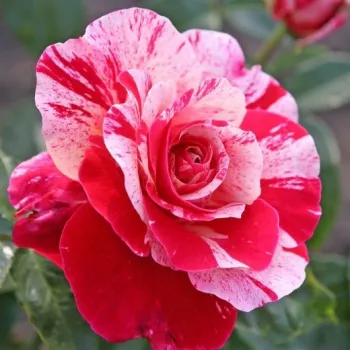
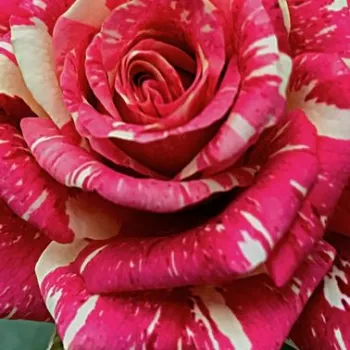
Semi-double, cupped blooms of 13–25 petals, largely carried in clusters, flower size approximately 7–10 cm, remontant with abundant second and subsequent flushes under normal garden conditions. |
| Colour data and phenology |
Deep carmine-red ground with lemon-yellow to cream striping; raspberry and creamy tones intensify at full bloom, with good colour retention and only moderate lightening in strong sunlight over time. |
| Fragrance and aroma |
Delicate, classic rose character with very weak intensity; scent is barely noticeable in typical garden use, making it suitable where strong fragrance is not desired near seating or windows. |
| Hip characteristics |
Produces moderate quantities of small, spherical orange-red hips around 6–10 mm in diameter, adding quiet late-season interest but generally secondary to its ornamental flowering display. |
| Resistance and winter hardiness |
Rated to approximately −21 to −18 °C (USDA 6b, RHS H7), with moderate disease resistance to black spot, mildew and rust, benefitting from sensible site, feeding and hygiene in damp seasons. |
| Horticultural recommendations |
Best in sunny positions with well-drained soil; medium maintenance with some deadheading and plant protection, at 50–90 cm spacing depending on use, suited to beds, edging, hedging and cutting. |
ABRACADABRA ® offers compact structure, long-season colour and reliable coastal veranda performance on a durable own-root framework, making it a thoughtful choice if you would like lasting impact from a single, characterful rose.