AKAROA – dark pink bedding floribunda rose - Matthews
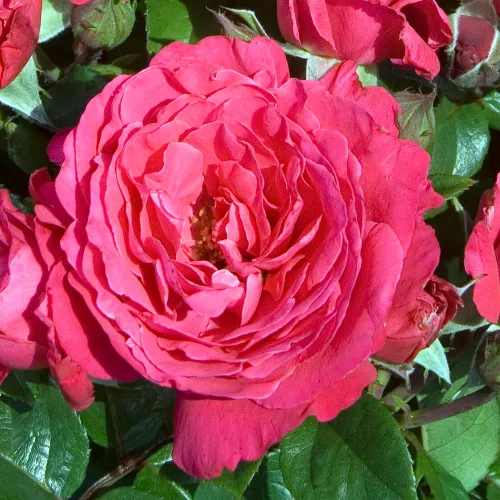
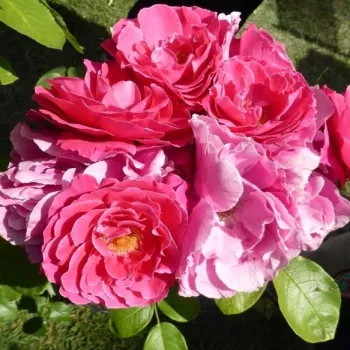
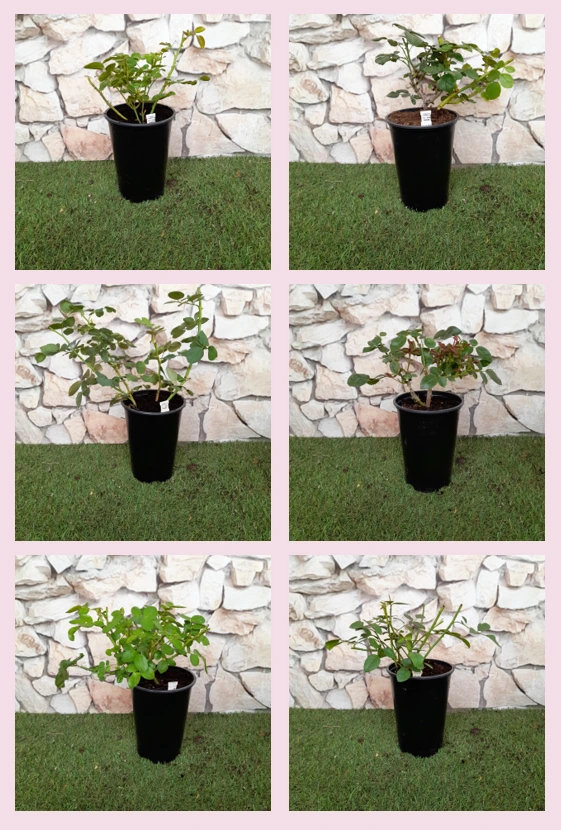
With its vivid raspberry-pink blooms and compact habit, Akaroa brings a sense of seaside freshness to small UK family gardens and sheltered verandas, thriving even where breezes feel like a constant coastal companion and the soil demands careful water management and drainage. Its dense, glossy foliage and bushy, upright shape provide reliable summer structure, while clusters of double, cup-shaped flowers deliver relaxed, everyday colour for beds, edging and large containers. As an own-root plant, Akaroa builds a durable framework that regenerates from the base, supporting a long-lived, low-fuss display, with roots establishing first, then shoots filling out, and by the third year a satisfying full garden presence in your coastal-inspired retreat. Choose a generous 40–50 litre pot and a bright, lightly sheltered position near sea kale, lavender or ornamental grasses, and you can enjoy its gentle, classic rose fragrance over tea after collecting seashells.
Usage options
| Target area |
Reasoning |
| Front-of-border flower bed in a family garden |
Compact, upright growth and dense foliage keep Akaroa neat at the front of mixed borders, giving long-season colour without overpowering nearby perennials, ideal where paths and play areas need tidy edges for beginners |
| Low edging along coastal-style paths or drives |
The bushy habit and medium height form a soft, continuous line of pink, creating an informal hedge that copes well with everyday wind and rain in exposed spots, complementing gravel, shingle and seaside planting schemes for homeowners |
| Feature rose in a large container on a veranda |
Akaroa adapts well to spacious pots of 40–50 litres, where its controlled size, remontant flowering and dark foliage give a refined focal point with straightforward care on balconies, patios and verandas used by busy urban gardeners |
| Coastal shingle or salt-tolerant garden strip |
Suited to sheltered coastal gardens, Akaroa performs reliably where winds can be brisk and soils need thoughtful watering and drainage, fitting naturally beside sea kale, grasses and lavender for relaxed seaside-themed gardeners |
| Mixed planting with lavender and catmint |
The warm raspberry-pink clusters pair beautifully with cool-toned Lavandula and Nepeta, giving a soft, “girly” coastal palette and extended interest from early summer to autumn with minimal deadheading for time-pressed owners |
| Small family gardens with partial shade |
Akaroa tolerates partial shade, allowing planting near fences or between buildings where sun is limited, still producing good clusters of flowers while maintaining a compact outline that fits modest plots for newcomers |
| Informal low hedge or boundary marker |
Recommended spacings of 50–55 cm make it easy to plan short, low hedges that define play spaces or borders; moderate prickles and medium height create a gentle barrier without feeling harsh or over-structured for families |
| Cut flowers for the house from the garden |
The double, medium-sized blooms with classic rose character look refined in small vases, and the remontant habit means regular stems for cutting once the shrub has matured and settled into its full flowering rhythm for enthusiasts |
Styling ideas
- Seaside-border – Combine Akaroa with sea kale, Festuca and shingle mulch for a breezy coastal look – ideal for coastal-style lovers wanting low-fuss structure.
- Veranda-focus – Plant a single Akaroa in a 50-litre container with soft underplanting of trailing thyme – suited to busy veranda users seeking an easy focal point.
- Lavender-ribbon – Edge a path with alternating Akaroa and Lavandula angustifolia for a fragrant, pastel “girly” ribbon – perfect for hobby gardeners planning simple layouts.
- Family-bed – Place Akaroa mid-front in a mixed bed with catmint and hardy geraniums for reliable colour and tidy form – good for families needing robust planting.
- Pink-parterre – Use Akaroa in a small formal grid or hexagonal scheme for a structured, long-lived pink feature – for beginners wanting clear, easy planting geometry.
Technical cultivar profile
| Parameter |
Data |
| Name and registration |
Floribunda bedding rose, collection Bedding rose; registered as MATtanstill, traded as Akaroa Bedding rose MATtanstill, a dark pink bed rose for garden and container use. |
| Origin and breeding |
Bred by Bob Matthews of Matthews Nurseries Ltd, Whanganui, New Zealand; bred around 2010, registered 2010 and introduced 2014 in New Zealand, parentage not recorded. |
| Growth and structural characteristics |
Compact, upright, bushy shrub 75–105 cm tall and 65–95 cm wide, with dense, dark green glossy foliage and moderate prickles, forming a tidy, medium-height bedding or edging rose. |
| Flower morphology |
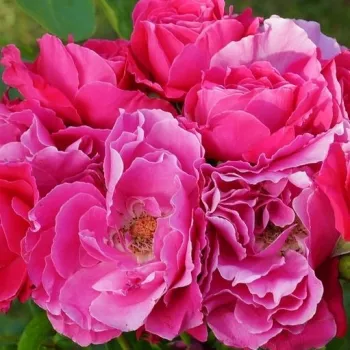
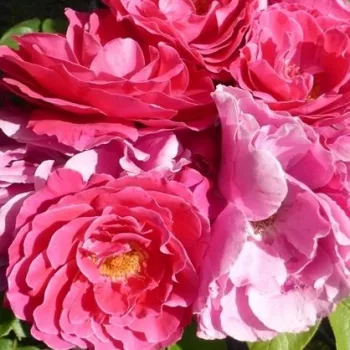
Medium-sized, double, cup-shaped blooms with 26–39 petals, borne mainly in clusters; remontant, with an abundant second flush that extends seasonal display in beds and containers. |
| Colour data and phenology |
Dark pink with raspberry hue; RHS 53A outer, 155D inner; buds intense raspberry-coral, opening to vivid pink, then softening through powdery-cream tones as blooms age on the plant. |
| Fragrance and aroma |
Mild classic rose fragrance, restrained but noticeable at close range; primarily grown for its colour and bedding effect rather than strong scent, yet still offering a gentle traditional note. |
| Hip characteristics |
Produces few hips; globular, 8–12 mm diameter, medium red (RHS 40A) when present, adding occasional small seasonal accents without dominating the plant’s ornamental effect. |
| Resistance and winter hardiness |
Hardy to about −21 to −18 °C (RHS H7, USDA 6b, Swedish zone 3); moderate tolerance of heat and drought with regular watering; moderate resistance to powdery mildew, black spot and rust. |
| Horticultural recommendations |
Best at 50–55 cm spacing in beds or low hedges, 90 cm as a specimen; suitable for beds, edging, containers and cutting; prefers well-drained soil and benefits from standard rose care. |
Akaroa Bedding rose MATtanstill offers compact structure, vivid long-season colour and container versatility, with own-root strength for a durable, regenerating shrub; a thoughtful choice for relaxed coastal-inspired gardens.