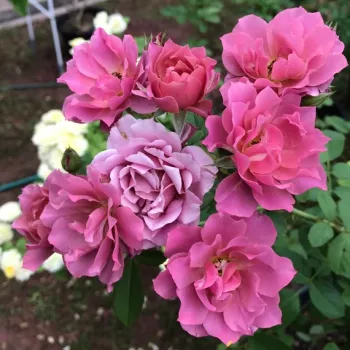
AOI – pink-lilac shaded bedding floribunda rose – Kunieda
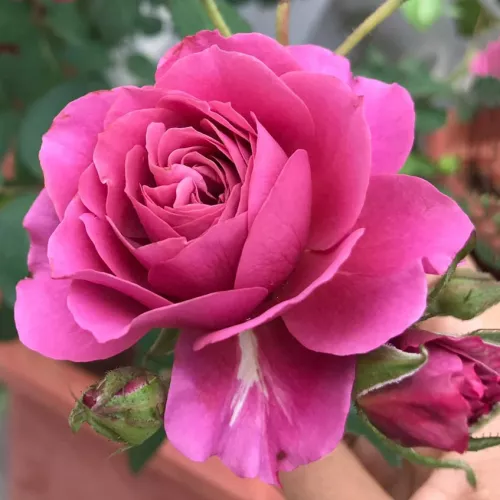
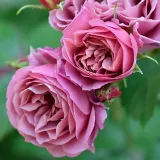
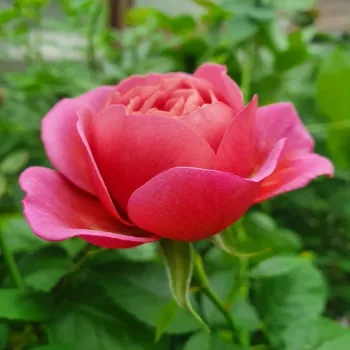
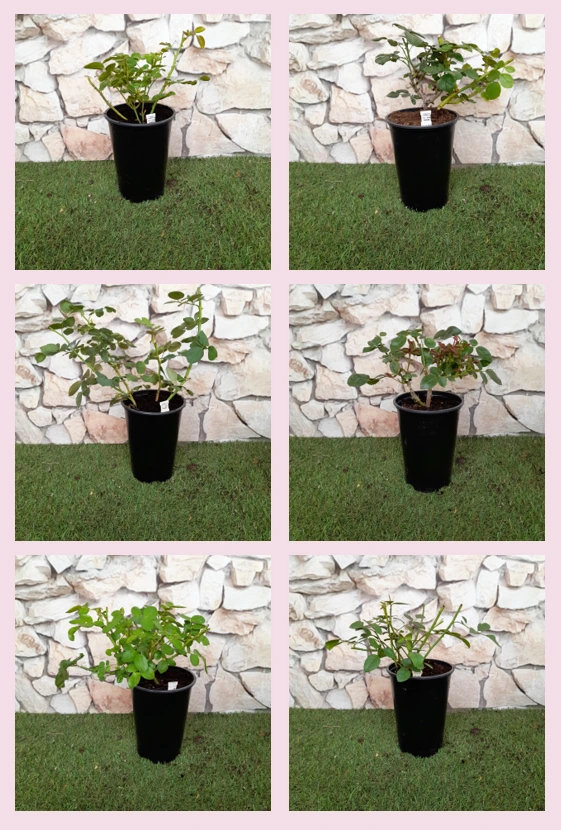
AOI brings a subtly coastal feeling into family gardens, combining lavender tones with a gentle, refreshing scent that suits breezy patios and verandas. Its compact, bushy habit makes it ideal for small beds and containers, especially where you want colour without sacrificing space. In windy, exposed locations it quickly forms a low, steady presence that helps to visually anchor the planting and cope well with brisk sea breezes and unsettled summer weather, naturally fitting coastal shingle or salt‑tolerant schemes. AOI’s very double, cup‑shaped blooms appear in clusters, creating a soft, romantic look that sits beautifully beside grey pebbles, pale decking and sea‑inspired accessories. As an own‑root rose, it is grown on its own roots rather than grafted, supporting a long ornamental life, steadier regrowth after pruning and less worry about rootstock suckers. Over time, a 2‑litre plant moves from building strong foundations below ground in its first year, to sturdier shoots and increased branching in year two, and then to full, reliable flowering impact by year three. AOI is almost thornless, making it easier to live with on a busy veranda or by a frequently used path, and its moderate fragrance lends a soothing note to evening tea after a day of collecting seashells.
Usage options
| Target area | Reasoning |
|---|
| Coastal veranda containers (40–50 litre tubs) |
AOI’s compact, bushy habit and moderate height fit neatly into larger 40–50 litre containers, where roots have enough room to establish and support long-term flowering. Its ability to remain steady and composed in breezier, changeable weather makes it reassuringly reliable on exposed patios for the coastal-style beginner. |
| Small front gardens and narrow beds |
The modest spread allows you to line a path or frame a doorway without overcrowding other plants, while clusters of blooms deliver a generous look in tight spaces. Own-root stamina supports a long lifespan, so once it settles you can expect a consistent presence for many seasons, an advantage for the time-pressed homeowner. |
| Romantic “girly” flower borders |
The cool lavender-lilac and pinkish-purple tones lend a softly feminine mood that pairs gracefully with airy perennials such as sea kale, Festuca and soft lavenders. Regular clusters of very double flowers help create a continuous, decorative ribbon of colour, suiting those who want an effortless romantic effect for the casual gardener. |
| Feature rose in a family seating area |
AOI’s mild, pleasant fragrance and almost thornless stems make it easier to place near benches or children’s play corners, with less risk of snagging clothing. As the shrub fills out over its first three years, it becomes a settled, dependable focal point, matching the needs of a relaxed family. |
| Cut flowers from a home garden |
The very double, cup-shaped blooms with their refined, pastel colouring make attractive short-stemmed cuts for small jugs and teacup arrangements. Repeat flowering ensures several opportunities through the season for harvesting, suiting those who enjoy simple home floristry but prefer plants that ask little of the casual arranger. |
| Partially shaded patios or east-facing spots |
AOI tolerates partial shade, so it can bring colour to positions that receive only morning or late-day sun, where many roses struggle. This flexibility makes layout decisions easier in built-up settings, particularly where neighbouring buildings or fences cast shade for the busy urbanite. |
| Heat-exposed corners and sheltered courtyards |
With good heat tolerance, AOI copes well beside sun-warmed walls or on sheltered, sunny balconies, provided watering is maintained during prolonged dry periods. The plant’s own-root resilience supports steady recovery after hot spells, valuable for those without time for intensive care, such as the pragmatic owner. |
| Low, refined boundary edging in family gardens |
Its moderate height and bushy structure lend themselves to low edging or informal hedging along driveways or garden boundaries, giving definition without forming an overpowering screen. Clustered flowering ensures visible colour from several angles, a practical choice for small-plot planners. |
Styling ideas
- Shingle‑chic border – Plant AOI in a gravel or shingle strip with sea kale and blue Festuca for a soft, coastal vibe that feels refined yet relaxed – ideal for seaside‑inspired homeowners.
- Veranda focal tub – Place a single AOI in a 50 litre clay pot beside a bistro set, underplanted with trailing thyme to enjoy flowers and fragrance close at hand – perfect for balcony and veranda users.
- Romantic ribbon – Run a low line of AOI along a front fence and intersperse with lavender for scent and structure, creating a welcoming pastel sweep – suited to cottage‑style lovers.
- Pastel cutting corner – Group AOI with Scabiosa and Lythrum in a sunny corner bed to provide a steady source of delicate stems for small indoor arrangements – appealing to home floristry enthusiasts.
- Family seating nook – Tuck AOI near a bench with soft grasses and pale paving so children and adults can pass by easily without thorns catching – helpful for young families.
Technical cultivar profile
| Parameter | Data |
|---|
| Name and registration |
AOI – pink-lilac shaded bedding floribunda rose, flowerbed floribunda rose in the Bed rose group, bred by Keiji Kunieda; commercial name used in this collection: AOI Flowerbed rose Kunieda. |
| Origin and breeding |
Bred by Rose Farm Keiji in Shiga Prefecture, Japan, with unknown parentage; introduced and registered in 2007, representing a modern floribunda type selected for refined colour and garden performance. |
| Growth and structural characteristics |
Compact, bushy shrub reaching around 70–90 cm in height and 35–55 cm in spread, with sparse, slightly glossy mid-green foliage and almost thornless stems suitable for narrow borders and family spaces. |
| Flower morphology |
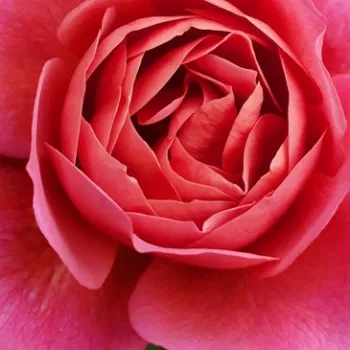
Medium-sized, very double, cup-shaped blooms with 40+ petals, produced mainly in clusters; remontant habit with a plentiful second flush, and moderate self-cleaning so some spent flowers need removing. |
| Colour data and phenology |
Delicate lavender-lilac shade with pinkish-purple tones; colour lightens slightly in strong sun, stays deeper in cooler weather, giving a subtle, shifting pastel effect across the flowering season. |
| Fragrance and aroma |
Mild yet pleasantly noticeable rose scent with a classic character, most appreciated at close range around seating areas; primarily ornamental, as the full, double blooms limit access for pollinating insects. |
| Hip characteristics |
Occasional small, spherical orange-red hips, about 8–12 mm in diameter, adding discreet late-season interest but not produced in quantities that significantly affect the plant’s ornamental flowering display. |
| Resistance and winter hardiness |
Hardy to approximately −21 to −18 °C (RHS H7, USDA 6b, Swedish Zone 3); tolerates summer heat but needs watering in long dry spells; disease tolerance is modest so regular protection is recommended. |
| Horticultural recommendations |
Well-suited to flower borders, solitary planting and cutting; spacing 30–50 cm depending on use, with 10–12 plants/m² for massed displays; performs in full sun or partial shade with consistent care. |
AOI – pink-lilac shaded bedding floribunda rose – Kunieda offers compact, cluster-rich flowering, a gentle fragrance and the long-lived steadiness of an own-root plant, making it a thoughtful choice for quietly elegant family gardens.