APRICOT QUEEN ELIZABETH – apricot-pink bedding grandiflora rose - Verschuren
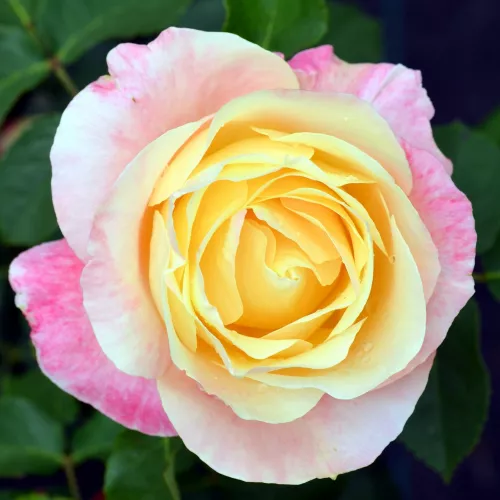
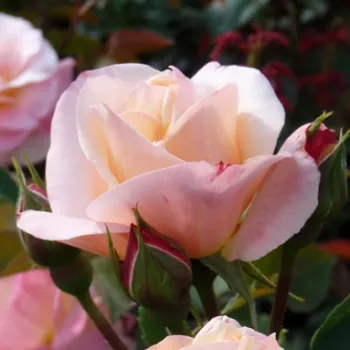
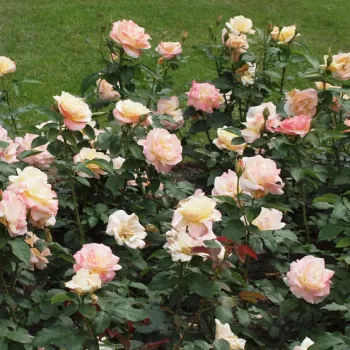
Imagine a sheltered coastal veranda where you can enjoy afternoon tea while this rose throws up generous clusters of peach-pink blooms, bringing a sense of seaside refreshment after collecting seashells. The upright, bushy habit anchors planting in breezier gardens and copes calmly with wind-tunnel corners exposed to salty air by providing reassuring structure and colour. Large, double flowers come repeatedly through the season for long-lasting impact, offering both cut stems for the house and a reliable bed or low hedge in a compact footprint. Its own-root vigour supports a long garden lifespan, quietly rebuilding after weather or pruning so you do not have to fuss. Plant in well-drained soil or generous containers, where glossy foliage and an unexpectedly strong, sweet fragrance reward minimal routine care. As the first year focuses on roots, the second on fuller shoots and the third on settled, steady flowering, it becomes an easy-care feature for small family plots. Ideal for coastal-style, “girly” shingle plantings with sea kale, Festuca or lavender, this premium gold cultivar brings everyday elegance to your garden with medium maintenance needs that suit busy beginners.
Usage options
| Target area | Reasoning |
|---|
| Compact coastal bed in a family garden |
The upright, bushy habit and dense foliage give reliable structure and colour without taking over a small border, ideal where you want order and softness in one. Works particularly well in breezier spots where you need planting that holds its shape for beginners. |
| Low flowering hedge along a shingle path |
Regular clusters of large, double blooms create a soft, pastel barrier that is easy to keep at shoulder or hip height, with glossy foliage providing a tidy backdrop. This is well suited to edging shingle paths or driveways, especially where steady colour matters to busy homeowners. |
| Feature rose in a 40–50 litre container on a veranda |
In a generous pot, the strong root system and upright habit make it an excellent focal point for verandas or balconies, giving height and flower volume without complex pruning. Choose a 40–50 litre container for stable growth and simple watering routines valued by urban gardeners. |
| Coastal wind-buffer near seating |
Its sturdy, bushy framework and dense, dark green foliage help break low-level gusts and frame outdoor seating, while coping reliably with brisk seaside breezes and light salt in the air for more comfortable moments outdoors for coastal gardeners. |
| Cut-flower corner in a mixed border |
The long-stemmed, grandiflora-type clusters provide plenty of straight stems with refined, pastel blooms, so you can cut regularly for vases without stripping the plant bare. Continuous remontant flowering keeps the border attractive for flower lovers. |
| “Girly” pastel scheme with sea kale and Festuca |
Soft peach-pink flowers combine beautifully with silvery sea kale and blue fescues, giving a romantic, beach-inspired palette that stays interesting from early summer onwards. This pre-planned harmony reduces design guesswork for style-conscious beginners. |
| Clay-based beds with improved drainage |
Once planted into clay soil that has been lightened with grit and compost, its strong own-root system establishes well, providing long-term structure and repeat bloom where conditions are sometimes heavy for pragmatic gardeners. |
| Long-season family garden focal point |
The remontant habit brings flush after flush of flower through the season, supported by own-root resilience that maintains shape and bloom quality over many years, rewarding light deadheading routines for time-poor owners. |
Styling ideas
- Seaside Veranda – place one plant in a 40–50 litre container with pale gravel mulch and a low bench, to enjoy fragrant blooms at eye level – ideal for coastal veranda owners.
- Pastel Ribbon Hedge – line a shingle path with evenly spaced plants, underplanting with Festuca and low lavender for a soft, feminine coastal walkway – perfect for romantic garden enthusiasts.
- Cut-Flower Nook – group three plants in a sunny corner with easy access, pairing with Delosperma for groundcover colour and handy, repeat-cut stems – suited to home florists.
- Compact Front Garden – use as a single, upright specimen framed by evergreen knotweed or cherry laurel for structure and long-season colour – great for small-plot homeowners.
- Clay-Bed Revamp – after improving drainage with grit and compost, plant in a loose triangle, edging with sea kale for a coastal look that works in heavy soils – helpful for problem-soil gardeners.
Technical cultivar profile
| Parameter | Data |
|---|
| Name and registration |
Grandiflora bedding rose marketed as Apricot Queen Elizabeth, a sport of the famous ‘Queen Elizabeth’ rose; also listed as a bedding rose within the Verschuren selection. |
| Origin and breeding |
Sport discovered and introduced by H.A. Verschuren & Zonen in the Netherlands in 1980, maintaining the proven framework of ‘Queen Elizabeth’ with a distinct apricot-peach flower colour. |
| Awards and recognition |
Holds a Top-Rose competition distinction, highlighting its balanced combination of ornamental value, repeat flowering and garden performance in typical Central and Western European conditions. |
| Growth and structural characteristics |
Upright, bushy shrub reaching around 75–105 cm high and 50–70 cm wide, with dense, glossy dark green foliage and moderate prickliness, forming a tidy, structural presence in beds or low hedges. |
| Flower morphology |
Large, double, cup-shaped flowers with around 26–39 petals, carried mainly in clusters; remontant habit providing an abundant second flush, suitable both for bedding effects and cutting. |
| Colour data and phenology |
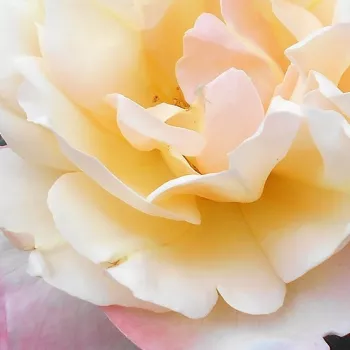
Peach-pink blooms with warm salmon and soft orange tones, deep peach-pink buds and gentle yellowish glow in full bloom; colour lightens in strong sun and stays richer in cooler conditions. |
| Fragrance and aroma |
Produces a strong, long-lasting, slightly sweet classic rose scent, offering noticeable fragrance both in the garden and indoors when used as a cut flower, despite its bedding rose classification. |
| Hip characteristics |
Hip set is generally low due to full, double flowers; where formed, hips are small, ovoid, 13–17 mm in diameter and orange-red, adding occasional late-season interest without self-seeding issues. |
| Resistance and winter hardiness |
Hardy to approximately −26 to −23 °C (RHS H7, Swedish zone 4, USDA 5b); good black spot resistance with moderate tolerance to powdery mildew and rust, and reasonable resilience in heat and brief drought. |
| Horticultural recommendations |
Best in full sun with improved drainage, spaced 35–65 cm depending on use; medium maintenance, chiefly light pruning and deadheading, with occasional pest and disease monitoring as needed. |
APRICOT QUEEN ELIZABETH combines long-season pastel bloom clusters, notable fragrance and durable own-root resilience, making it a thoughtful choice if you favour easy structure, cut flowers and future-proof planting.