APRICOT SILK – apricot tea-hybrid rose - Gregory
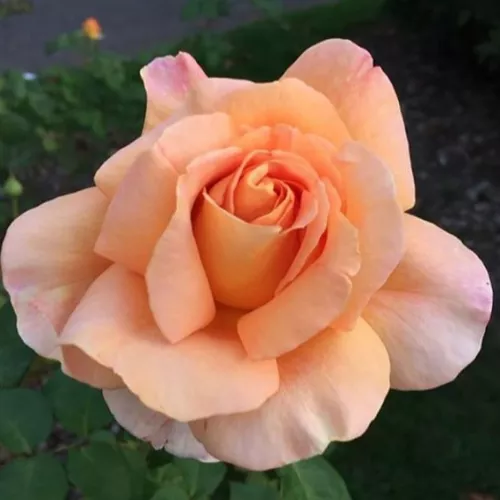
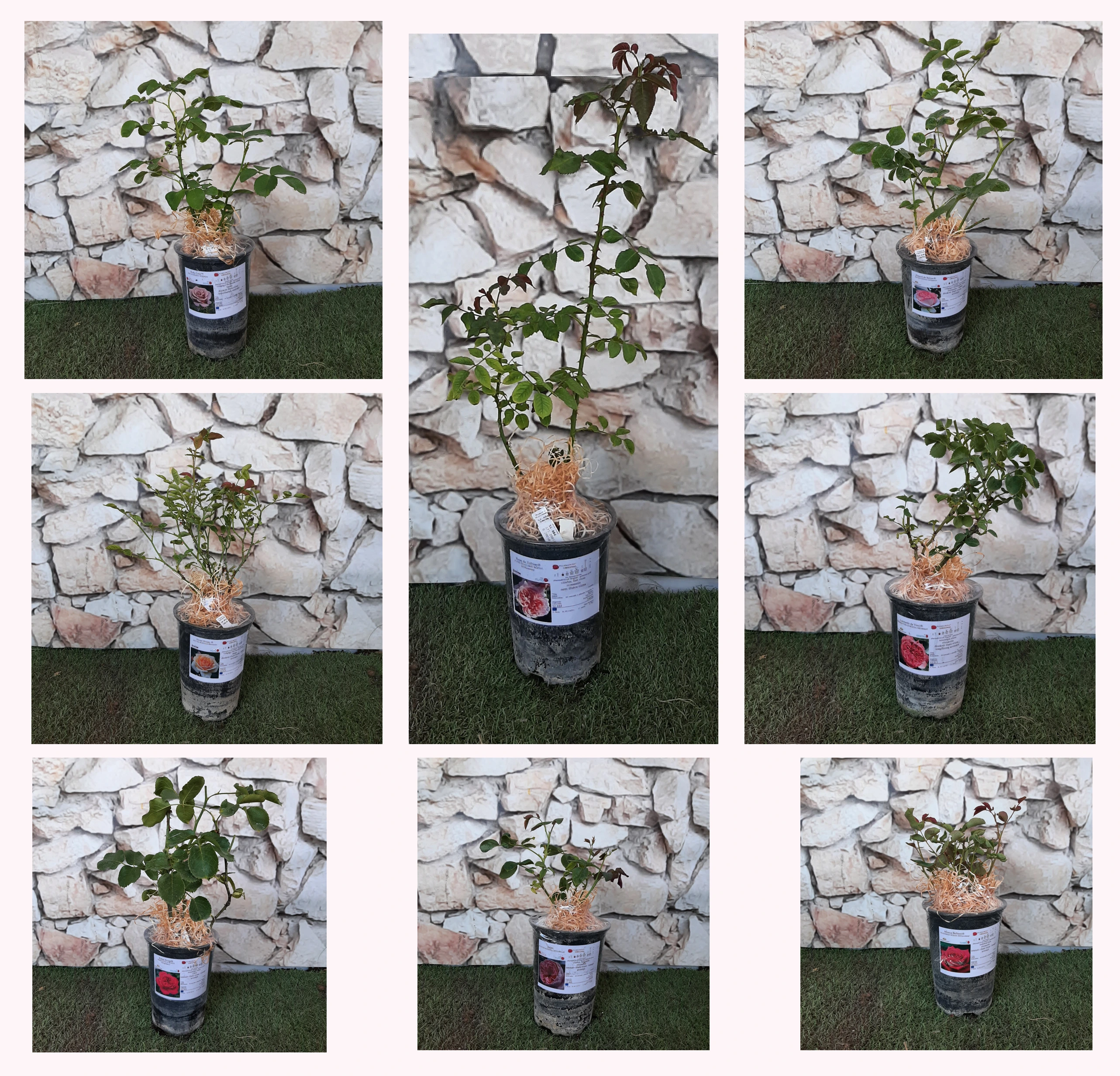
Imagine returning from a bracing walk along the shore to sit with your afternoon tea, sheltered by a low hedge of Apricot Silk, its warm peach blooms glowing softly even in coastal winds. This hybrid tea’s upright habit and moderate height make it easy to place in family gardens, where it copes reliably with blustery days and challenging soils through thoughtfully managed drainage. Own-root plants establish steadily, giving you a long-lived, resilient feature that regenerates well after pruning and keeps its ornamental value without fuss. Over time you will notice roots first in year one, fuller shoots and structure in year two, and by year three the rose settling in as a confident, garden-defining presence. Semi-double, goblet-shaped flowers repeat generously through the season, offering pastel apricot shades and a medium, fruity fragrance that pairs beautifully with coastal planting. Low general maintenance, good disease resistance and a flexible planting distance mean you can enjoy a refined, seaside-veranda mood without complicated gardening tasks.
Usage options
| Target area |
Reasoning |
| Coastal veranda containers (40–50 litre) |
Ideal for a sheltered veranda where you want height without overwhelming a small space; its upright habit and moderate spread suit a single large pot, and good drainage in a 40–50 litre container helps it cope with brisk coastal weather for relaxed seaside tea breaks – owners of coastal verandas |
| Small front garden feature rose |
Planted as a solitary specimen at around 90 cm spacing, it creates a tidy, welcoming focal point by the front path, with remontant peach blooms and a clearly noticeable fruity fragrance that feels sophisticated yet easy-going – busy urban homeowners |
| Low, airy wind-filter hedge |
At hedging distance it forms a light, see-through screen that gently filters sea breezes rather than blocking them, echoing that sheltered spot after collecting shells and supporting coastal-style layouts needing soft structure – family gardeners near the sea |
| Cutting patch for home bouquets |
The long, upright stems and exhibition-bred hybrid tea form lend themselves to cutting, so you can bring its silky apricot flowers indoors regularly without weakening the plant, thanks to the robust, own-root framework – home floristry enthusiasts |
| Mixed border with sea kale and grasses |
Works beautifully among sea kale, Festuca and lavender, where its warm peach tones and moderate height weave through textured foliage, extending interest from early summer to autumn in a relaxed, shingle-inspired border – coastal-style lovers |
| Low-maintenance family flower bed |
Good resistance to black spot and powdery mildew keeps spraying and interventions to a minimum, while occasional checks for rust are usually sufficient, making it suitable for households wanting colour without complex regimes – time-poor hobby gardeners |
| Pollinator-friendly corner near seating |
Semi-double flowers provide accessible pollen in moderate quantities, so a small group near seating offers gentle pollinator activity without overwhelming insect traffic, matching a calm, contemplative tea spot by the house – nature-aware beginners |
| Long-term structural planting in clay soil |
Once established in improved, free-draining clay, its own-root system anchors deeply and copes well with wet winters and blustery conditions, providing dependable structure and repeat flowering across many seasons in typical family plots – practical long-term planners |
Styling ideas
- Veranda Retreat – one Apricot Silk in a 50 litre pot with pale gravel mulch and a low bench creates a salty, breezy tea corner – for coastal veranda owners wanting effortless calm
- Shell Path Border – line a shingle path with Apricot Silk at hedge spacing, interplanted with Festuca and sea kale – for families who enjoy seaside walks and soft structure
- Pastel Cutting Strip – combine Apricot Silk with cream Echinacea ‘Delicious Nougat’ in a small cutting bed – for home florists seeking easy, repeat stems
- Sunset Mix – weave Apricot Silk through Crocosmia and lavender for warm apricot, orange and mauve tones – for gardeners craving a sunset coastal palette with low fuss
- Courtyard Focus – plant a single Apricot Silk in the centre of a small gravel courtyard, underplanted with low thyme – for urban beginners wanting one reliable statement rose
Technical cultivar profile
| Parameter |
Data |
| Name and registration |
Hybrid tea rose; registered as Apricot Silk, also used as the current trade and exhibition name; meaning refers to the silky sheen of the apricot-coloured blooms. |
| Origin and breeding |
Bred by Charles Walter Gregory, C. Gregory & Son Ltd., Chilwell, Nottingham, United Kingdom; Souvenir de Jacques Verschuren × unknown seedling; introduced 1970 via Treloar Roses. |
| Growth and structural characteristics |
Upright habit, 110–150 cm high, 50–70 cm spread, moderately dense, glossy dark green foliage, moderately thorny stems; weak self-cleaning, so spent blooms benefit from regular deadheading. |
| Flower morphology |
Hybrid tea flowers, semi-double, 13–25 petals, medium-sized (approx. 4–7 cm), mainly solitary goblet to cup-shaped blooms, repeating well with an abundant second flush in suitable conditions. |
| Colour data and phenology |
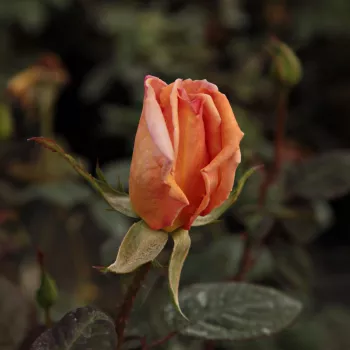
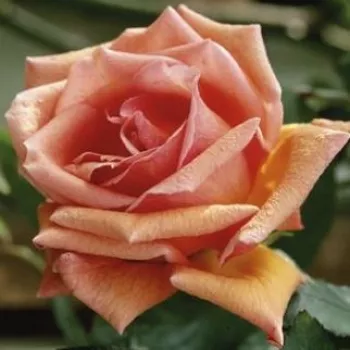
Warm peach-pink with delicate orange tones, silky sheen; ARS OB, RHS 24B outer, 24D inner; opens deep peach-orange and gradually fades to pastel peach with cream and soft rosy veiling. |
| Fragrance and aroma |
Medium-strength, clearly noticeable scent with softly sweet, fruity character; fragrance best appreciated near seating or paths where individual flowers can be enjoyed at close quarters. |
| Hip characteristics |
Moderate crop of ovoid rose hips, 13–17 mm diameter, red-orange (RHS 40A); hips add late-season interest and potential wildlife value if deadheading is reduced late in the year. |
| Resistance and winter hardiness |
Good resistance to black spot and powdery mildew, medium susceptibility to rust; hardy to about −21 to −18 °C, RHS H7, Swedish zone 3, USDA zone 6b under typical garden conditions. |
| Horticultural recommendations |
Prefers sunny sites with well-drained soil; plant at 45–90 cm depending on use; suitable for beds, edging, and cutting. Low general maintenance; monitor foliage periodically and treat rust if required. |
APRILCOT SILK offers repeat apricot blooms, good disease resistance and a long-lived own-root framework that suits small coastal verandas and family gardens; it is a thoughtful choice if you value beauty with little complication.