SNOW TEARS – white landscape shrub rose
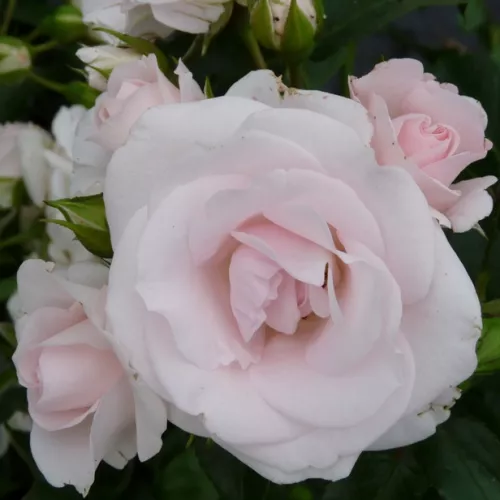
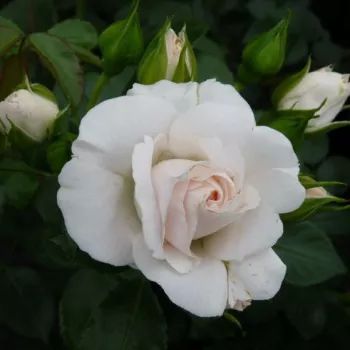
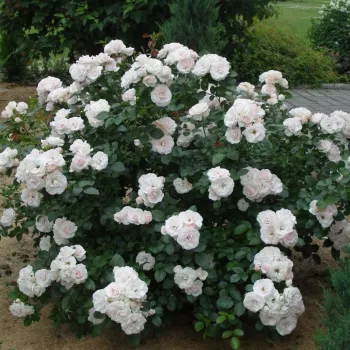
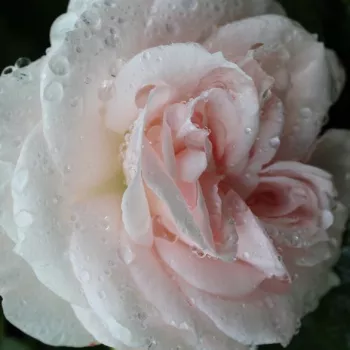
SNOW TEARS brings a sense of coastal refreshment to compact family gardens, with cool, pure white flowers that feel as clean as sea air and as calm as a quiet bay. Its naturally upright structure and moderate height make it effortless to fit into small beds, shingle strips or a Cornish-style veranda, while the reliable, low-intervention maintenance suits busy weeks and unsettled weather. On its own roots it builds a steady lifespan, quietly regenerating after pruning or wind, so the planting stays stable and reassuringly long term. Abundant clusters of double blooms repeat all summer, delivering clear white colour that hardly fades, even in changeable light. Strong resistance to common rose diseases supports relaxed care with minimal spraying, ideal where you want resilience and beauty together. In exposed, breezy plots it anchors well and copes steadily with blustery showers and salty, windswept conditions near the coast. Over time it follows a gentle rhythm of establishment – first year focusing on roots, second year filling out with fresh shoots, and by the third year offering its full ornamental presence in your garden.
Usage options
| Target area |
Reasoning |
| Small coastal front garden bed |
Compact height and spread make SNOW TEARS ideal where space is tight, while its upright habit gives enough presence without overpowering low walls or parking areas. Reliable flowering with minimal intervention suits time-pressed homeowners. |
| Shingle or gravel strip by a veranda |
The landscape-shrub character copes well in free-draining, gravelly ground when combined with sensible planting, and its pure white clusters read beautifully against pebbles and sea-themed décor, appealing to coastal-style enthusiasts. |
| Low informal hedge along a path |
Recommended planting distances allow you to form a semi-formal edging that keeps sight lines open while still giving a defined border, with moderate prickliness discouraging shortcutting feet, helpful for family-garden planners. |
| Feature rose in a large patio container |
In a 40–50 litre pot with good drainage, its manageable size and own-root resilience create a long-lived focal point, easy to reach for light pruning and deadheading, suiting balcony and veranda beginners. |
| Low-maintenance mixed border with perennials |
Good disease resistance and low maintenance requirements make it a dependable structural element among hardy perennials, offering season-long white accents without complex care routines, which reassures relaxed hobby gardeners. |
| Cool-toned evening seating area |
Snow-white, double, cup-shaped blooms hold their colour well, catching dusk light and reflecting it softly around seating, with a light, refreshing scent that gently complements quiet conversations for contemplative garden users. |
| Coastal family garden with strong winds |
Its moderate stature, sturdy framework and own-root anchoring help it stand firm in gusty, rainy weather near the sea, offering a stable, long-term planting that suits exposed-plot owners. |
| Long-term structural planting in clay-amended soil |
Once established after the early years of rooting and shoot development, this rose forms a durable, repeat-flowering framework that responds well to periodic rejuvenation, ideal for patient, future-focused garden designers. |
Styling ideas
- Coastal-veranda trio – Pair SNOW TEARS in a 50-litre tub with dwarf lavender and sea kale for a salty, breezy palette – ideal for coastal-style devotees seeking easy structure.
- White-evening border – Use as a low rhythm plant among silver foliage and pale grasses to bounce evening light – perfect for those who entertain outdoors after work.
- Shingle-ribbon hedge – Plant in a loose line through gravel with rosemary and Festuca for a soft dune effect – suited to homeowners wanting definition without formality.
- Family-front-garden focus – Place three plants in a triangle by the path for year-on-year white blooms – appealing to busy families wanting impact from simple care.
- Patio-rose showcase – Grow one specimen near seating where its light fragrance and clean colour can be enjoyed close up – attractive for balcony and veranda gardeners with limited space.
Technical cultivar profile
| Property |
Data |
| Name and registration |
SNOW TEARS – white landscape shrub rose; bedding-rose type floribunda for garden use. Commercially offered by pharmaROSA under the vivianaROSE ORIGINAL 2‑litre own-root range. |
| Origin and breeding |
Discovered in Hungary in 1989 and introduced via PharmaRosa Ltd. Parentage is not recorded, but selection focused on tough garden performance and clean white flowering. |
| Growth and structural characteristics |
Compact, upright shrub 50–70 cm high and 55–85 cm wide, with moderately dense, mid-green, glossy foliage and moderate thorniness; ideal for low hedges, beds and containers. |
| Flower morphology |
Medium-sized, double, cup-shaped blooms with 26–39 petals, borne mainly in clusters. Remontant habit with a notably abundant second flush in suitable garden conditions. |
| Colour data and phenology |
Pure, cool snow-white flowers (ARS W, RHS 155 D/155 C) with very slight creamy edging as they age; colour retention is very good, giving a consistently bright white display. |
| Fragrance and aroma |
Light, refreshing fragrance of restrained intensity, adding a gentle sense of freshness without overwhelming nearby seating, windows or small, enclosed terraces and courtyards. |
| Hip characteristics |
Occasionally forms small rose hips around 10–15 mm across; typically not a dominant ornamental feature and easily overlooked in everyday family-garden plantings. |
| Resistance and winter hardiness |
Reliable garden rose with strong resistance to powdery mildew, black spot and rust. Hardy to approximately –26 to –23 °C (RHS H7, Sweden Zon 4, USDA 5b) in UK conditions. |
| Horticultural recommendations |
Plant 55–60 cm apart for hedging or 90 cm as a solitary. Best in well-drained soil with regular watering in the first seasons, then low ongoing maintenance in established gardens. |
SNOW TEARS offers compact, repeat white flowering, easy-care disease resistance and long-lived own-root reliability for small coastal or urban gardens; a thoughtful choice if you favour calm structure and subtle freshness.