ATLAS™ – white-pink hybrid tea rose – Delbard-Chabert
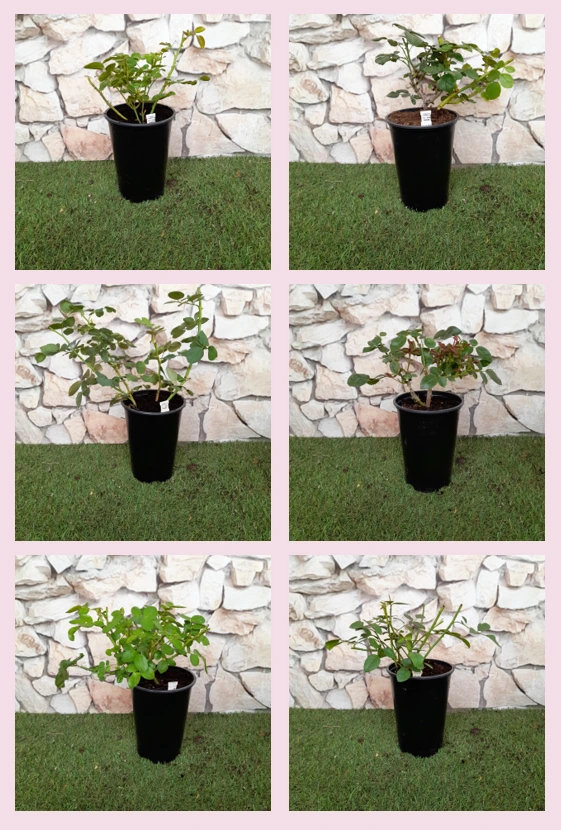
Imagine stepping onto a sun-warmed veranda after a windswept walk, salty air still clinging to your coat, and finding your ATLAS™ rose quietly in bloom: a compact hybrid tea that offers ease, reliable health and luminous colour without demanding constant work. Bred by Delbard for long-term structure, this own-root plant settles steadily, holding firm in breezier gardens while coping well with cool, changeable British summers and carefully managed drainage in heavier clay. Its repeat-flowering cycles keep buds and blooms coming through the season, while the semi-double flowers leave stamens accessible enough to gently interest passing pollinators. Over the first three years it builds roots, then framework, then its full presence, giving you a quietly sustainable investment that suits relaxed, coastal-inspired, “girly” shingle borders just as well as neat town plots.
Usage options
| Target area |
Reasoning |
| Feature rose for small family borders |
Its upright, compact habit and dense, glossy foliage make ATLAS™ easy to place in modest front or back gardens, giving clear structure without overwhelming nearby plants or pathways, well suited to beginners. |
| Low-maintenance coastal-style planting |
With good all-round disease resistance and steady repeat flowering, ATLAS™ keeps its leaves and colour with minimal spraying or fuss, matching shingle, sea kale and grasses for a relaxed coastal effect appreciated by busy-owners. |
| Long-lived permanent garden framework |
Being grown on its own roots, this rose regenerates well from lower buds, helping it recover from pruning and weather so it can serve as a reliable, long-term feature for future-focused. |
| Flowering accent on a sheltered veranda |
In a 40–50 litre or larger container, its manageable size and upright growth make an elegant statement by doors or seating areas where you can enjoy the discreet scent and refined blooms, ideal for veranda-lovers. |
| Season-long colour in mixed planting |
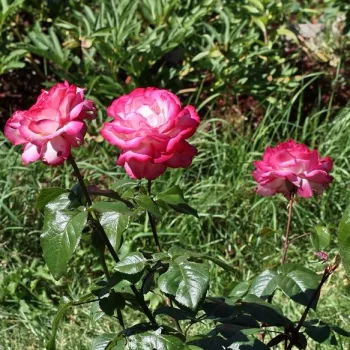
The good repeat-flowering habit brings several flushes from early summer onwards, keeping borders lively between other perennials and shrubs, a useful trait for colour-seekers. |
| Pollinator-friendly family garden corner |
Semi-double blooms with accessible stamens offer moderate interest to bees and other insects, adding a light wildlife benefit without sacrificing formal hybrid tea form, attractive to nature-minded. |
| Coastal-inspired clay soil gardens |
Once established, its strong, own-root framework helps it anchor and perform reliably where wind exposure and heavier soils require thoughtful drainage and water management, reassuring for seaside-gardeners. |
| Cut flowers for the home |
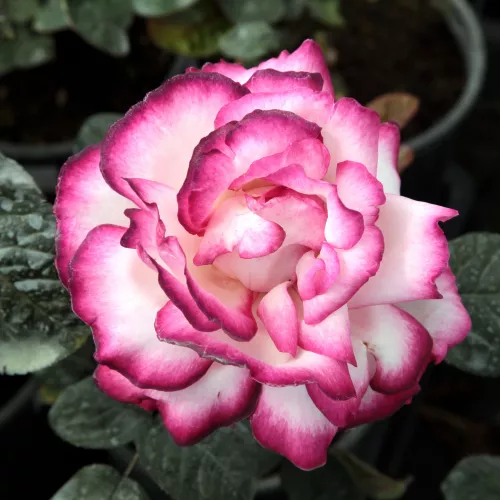
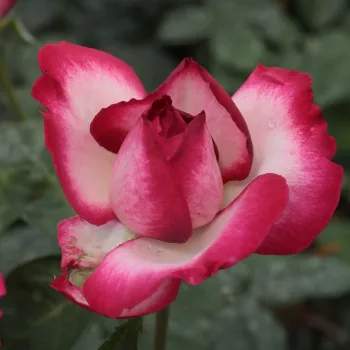
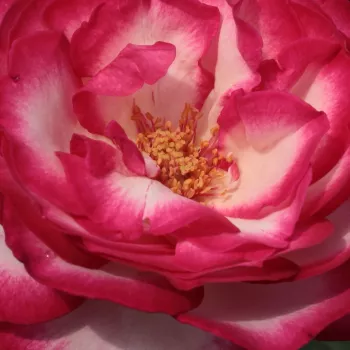
The elegant, cup-shaped blooms with white bases and vivid pink margins lend themselves to short-stem cutting for small jugs or vases, bringing a refined, personal touch indoors for home-stylists. |
Styling ideas
- Coastal-Veranda – Place ATLAS™ in a large pale terracotta pot with sea kale and Festuca around the base for a soft, seaside mood – for veranda-lovers.
- Girly-Border – Combine with pale lavender, soft pink gaura and airy grasses to echo its white-pink blooms – for colour-seekers.
- Structured-Entry – Flank a front path with two container-grown plants for neat, upright symmetry – for busy-owners.
- Mixed-Shrub – Thread ATLAS™ between Cornus kousa and Hakonechloa for year-round framework with summer rose highlights – for future-focused.
- Wildlife-Nook – Underplant with thyme and low sedums to create a light, pollinator-friendly corner with moderate insect interest – for nature-minded.
Technical cultivar profile
| Trait |
Data |
| Name and registration |
Hybrid tea rose registered as DELkort, marketed as Atlas™ Hybrid tea rose DELkort; exhibition name Atlas, belonging to the Hybrid Tea group and commercial hybrid tea rose segment. |
| Origin and breeding |
Bred by André Delbard-Chabert in France from ‘Chic Parisien’ × ‘Provence’; introduced and registered in 1966 by Georges Delbard SA, reflecting classic mid‑twentieth‑century hybrid tea selection. |
| Growth and structural characteristics |
Upright, compact bush reaching about 70–95 cm high and 45–65 cm wide, with dense, dark green, glossy foliage and a moderately prickly framework that offers clear structure in borders and smaller gardens. |
| Flower morphology |
Semi-double, cup-shaped blooms with 13–25 petals and slightly ruffled edges; flowers are usually borne singly on stems, repeat freely with an especially abundant second flush following the main early summer display. |
| Colour data and phenology |
White-based petals edged vivid pink, deepening from intense magenta-pink buds to rich fuchsia–mauve, with ruby-violet tones as blooms mature; colour holds well without notable fading, even under brighter summer conditions. |
| Fragrance and aroma |
Delicate rose fragrance of mild intensity, noticeable at close range without dominating nearby seating areas, fitting patios or verandas where a discreet, classic scent is preferred over powerful perfumed varieties. |
| Hip characteristics |
Forms orange-red, spherical hips around 7–10 mm in diameter in moderate quantities, adding a subtle late-season accent if spent blooms are not removed and supporting a gentle, naturalistic autumn appearance. |
| Resistance and winter hardiness |
Rated hardy to around −21 to −18 °C (USDA 6b, RHS H7), with recorded resistance to powdery mildew, black spot and rust, making it suitable for unsheltered British sites given sensible soil preparation and drainage. |
| Horticultural recommendations |
Suited to borders, specimens and cutting; allow about 40–60 cm spacing, with 40 cm for mass planting or 35 cm for hedges; prune annually to maintain shape and renew flowering wood on the own-root framework. |
ATLAS™ – white-pink hybrid tea rose - Delbard-Chabert offers compact structure, season-long colour and low upkeep in an own-root form that matures steadily; it is a considered choice for gardeners seeking lasting, easy elegance.