Affinessence Romantic rose pharmaROSA® – peach-coloured nostalgia shrub rose
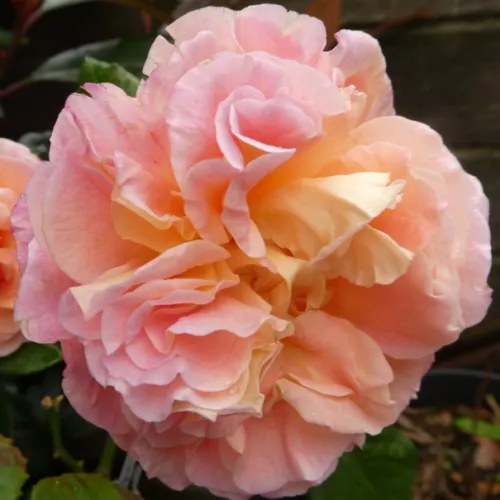
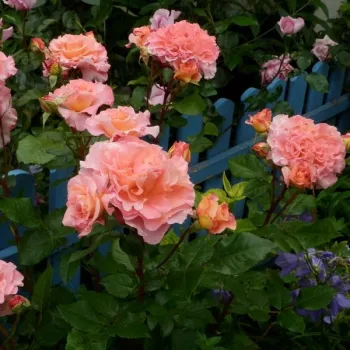
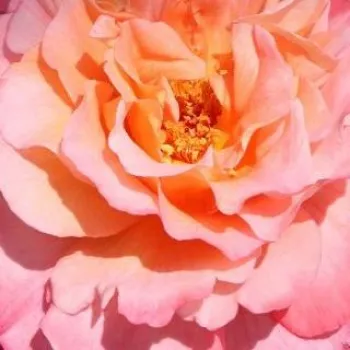
Imagine stepping onto a sunny coastal veranda after a walk on the shingle, sheltered by a low rose hedge that takes coastal breezes in its stride and offers reliable anchoring in heavier garden soils: this is where Affinessence truly belongs. Its bushy habit and mid-green, slightly glossy foliage frame large, double rosette blooms in changing peach tones, opening from warm apricot buds to soft, powder-pink petals with a creamy, golden heart. The long-lasting, sweet, fruity and gently clove-like fragrance creates a relaxing backdrop for tea outdoors, while repeat flowering ensures colour from early summer well into autumn. As an own-root plant, it settles steadily, supporting a long lifespan, reliable regrowth after pruning and stable ornamental value with only medium maintenance demands, making it a sympathetic choice for beginners and time-pressed coastal gardeners alike.
Usage options
| Target area |
Reasoning |
| Coastal veranda in a large container |
Affinessence copes well when given a generous 40–50 litre pot, where its bushy, medium-height habit creates a soft windbreak and fragrant focus beside outdoor seating. Medium maintenance needs suit those who prefer simple, seasonal tasks such as an annual prune and occasional pest check, while the own-root system steadily thickens for a long-lived container feature, well suited to the relaxed pace of a coastal veranda for the beginner. |
| Small front garden specimen by the path |
Used as a single specimen, its 70–100 cm height stays in proportion to a modest front garden, giving structure without blocking light or windows. The large, nostalgic hybrid tea-style blooms invite closer inspection, with a strong, fruity fragrance greeting you as you pass the gate or path. Own-root growth ensures dependable regrowth if stems are ever damaged, preserving its place in the overall design for homeowners. |
| Low, romantic flowering hedge |
Planted at around 35 cm apart, Affinessence forms a low, bushy hedge that can gently define boundaries or screen bins and service areas. With moderate disease resistance, it benefits from good air circulation and straightforward monitoring, but does not demand specialist care. Over the years the own-root plants knit together into a stable, rejuvenating hedge line that continues to flower generously for families. |
| Mixed flowerbed in a family back garden |
In a mixed border, its peach-pink rosettes and mid-green foliage blend easily with seaside favourites such as sea kale, Festuca and lavender, giving a relaxed, “girly” coastal look. Regular repeat flowering extends the show well beyond a single flush, so the border never feels empty in mid-summer. The development from strong roots to fuller shoots over the first three seasons rewards patience with steadily increasing impact for hobby-gardeners. |
| Shingle or gravel garden near the house |
Affinessence works well in shingle or gravel beds when the planting hole is improved for drainage, allowing roots to anchor securely while the surface stays visually coastal. Its medium maintenance level matches the low-input style of gravel gardens, relying mainly on a yearly prune and dead-heading. Over time, the own-root framework supports consistent flowering and recovery from wind, pleasing coastal-lovers. |
| Sheltered seating area windbreak |
Planted in a loose row or crescent around a seating area, its 70–100 cm height offers a light wind filter without creating a solid wall. This is ideal in exposed gardens where you want to soften breezes rather than block views, especially along Britain’s blustery coasts where secure rooting and good anchoring matter for veranda-owners. |
| Romantic cottage-style border with perennials |
Affinessence’s nostalgic rosette blooms and evolving peach-to-pink tones pair beautifully with airy perennials like baby’s breath, giving a soft, romantic feel without complex upkeep. Medium disease resistance and own-root resilience mean you can keep the look fresh through simple pruning and the occasional replacement shoot, supporting long-term charm for busy-gardeners. |
| Feature rose in a clay-based suburban garden |
Where heavier clay is common, Affinessence responds well to improved planting holes and raised soil levels, settling into a stable framework that copes with everyday family use. Once established, repeat flowering and long-lasting scent make it a reliable highlight through the season, while own-root vigour helps it recover from wet winters and child traffic for UK-gardeners. |
Styling ideas
- Coastal-veranda-duo – Place a single Affinessence in a 50-litre pot with blue Festuca and trailing sea kale to echo Cornish shores – ideal for relaxed coastal-style homeowners.
- Romantic-hedge-line – Create a low hedge along a path, underplanting with lavender for scent layers and easy care – perfect for families wanting soft boundaries.
- Peach-rosé-border – Combine Affinessence with pale pink Gypsophila and white perennials in a small border for a “girly” tea-corner mood – suited to beginners.
- Shingle-showpiece – In a gravel strip by the drive, mix this rose with cypress spurge for contrast, keeping tasks light yet ornamental value high – for time-poor gardeners.
- Clay-garden-focus – Use one well-prepared planting pocket in clay soil and spotlight Affinessence as the main rose, surrounding it with low grasses – great for suburban garden improvers.
Technical cultivar profile
| Parameter |
Data |
| Name and registration |
Affinessence Romantic rose pharmaROSA®, shrub / hybrid tea nostalgia rose in the Romantic rose collection; trade name used for this premium bronze rated, own-root, container-grown garden rose. |
| Origin and breeding |
Discovered in Germany in 1999 and later introduced by PharmaRosa® Ltd. (Hungary); parentage and original breeder data are not recorded, but selection emphasises nostalgic flower form and fragrance. |
| Growth and structural characteristics |
Bushy shrub, around 70–100 cm high and 50–75 cm wide, moderately thorny, with mid-green, slightly glossy foliage of medium density; forms a compact, rounded outline suitable for beds, low hedges and large containers. |
| Flower morphology |
Large, double, rosette-shaped blooms with 26–39 petals, usually borne singly on stems; classified as a shrub / hybrid tea type, it flowers in flushes with a well-marked, abundant second wave later in the season. |
| Colour data and phenology |
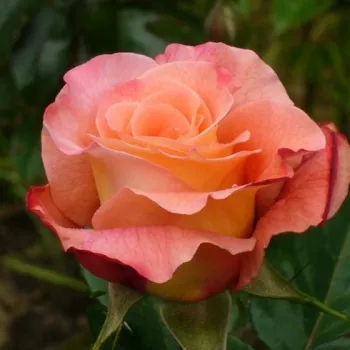
Peach-pink flowers with a pale yellow-tinged centre; newly opened blooms show warm apricot and peach, maturing through salmon to powder-pink, with a noticeable lightening and blending of tones towards petal fall. |
| Fragrance and aroma |
Strong, long-lasting perfume with a sweet, fruity character and a gentle clove-like note; fragrance is easily appreciable at close range and around seating areas, enhancing its value as a specimen or hedge feature. |
| Hip characteristics |
Occasionally produces small, spherical hips around 12–18 mm in diameter, coloured orange-red; hips are not heavily ornamental but may add discreet late-season interest where flowers are not dead-headed. |
| Resistance and winter hardiness |
Hardy to approximately –21 to –18 °C (RHS H7, Swedish Zone 3, USDA 6b); shows moderate resistance to powdery mildew, black spot and rust, benefiting from sound siting, airflow and routine, non-specialist care. |
| Horticultural recommendations |
Best planted in improved garden soil with good drainage; recommended spacing 35–65 cm depending on use, with 5.7–6.6 plants/m² for mass planting. Suits medium-maintenance regimes involving annual pruning and occasional pest control. |
Affinessence Romantic rose pharmaROSA® offers repeat flowering, strong fragrance and compact, versatile growth on a durable own-root framework; consider it if you would like a long-lived, easy-going rose for everyday garden enjoyment.