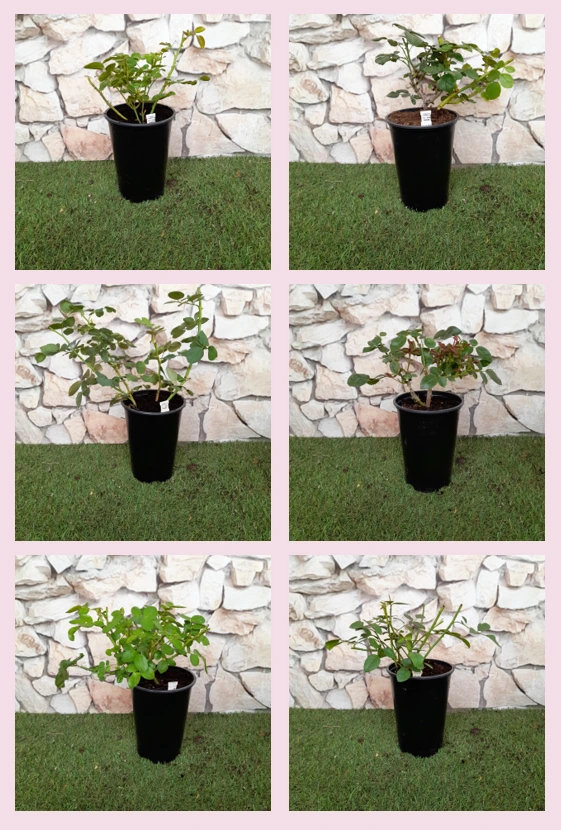
Kathryn Morley – Ausclub English shrub rose (own-root, 2-litre pot)
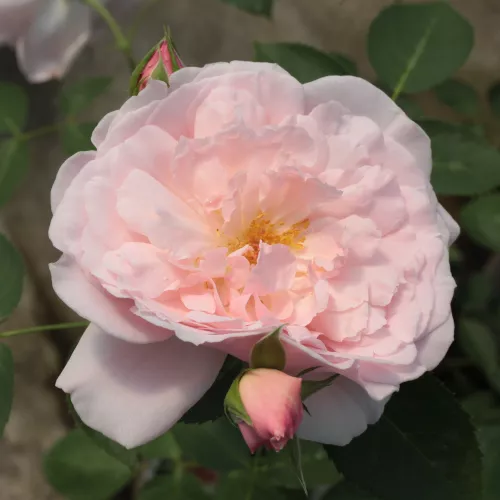
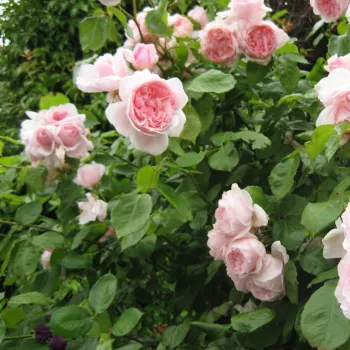
Soft pink blossoms, a gentle fragrance and a relaxed, bushy habit make ‘Kathryn Morley’ an inviting choice for a small coastal-style family garden, where it copes well with brisk breezes and salty, wind-driven showers. Its rounded shrub form and dense dark green foliage give reliable summer structure on a shingle bed or veranda, echoed by pastel shells and sea-soft cushions. Repeating flushes of flowers keep the mood fresh from early summer into autumn, with each rosette opening a clear, romantic pink that gently pales at the edges. As an own-root plant in the pharmaROSA® ORIGINAL 2-litre range, it settles in calmly: first concentrating on roots, then building confident shoots, before delivering full ornamental value and dependable charm by around the third year.
Usage options
| Target area | Reasoning |
|---|
| Coastal-style shingle or gravel bed |
The bushy, 90–150 cm shrub form anchors well in free-draining coastal shingle or gravel, pairing easily with sea kale and grasses for a soft, seaside look with repeat flowering through summer. Particularly reassuring for the beginner. |
| Sunny family-front garden focal point |
Its medium-sized, very double rosette blooms and dense, glossy foliage create an elegant yet unfussy focal shrub by the front gate or path, offering charm without demanding expert pruning. Well suited to the homeowner. |
| Large container on a sheltered veranda |
Planted in a 40–50 litre container with good drainage, the compact spread and repeat flowering habit give months of colour on a veranda, where regular watering and medium maintenance are easy to manage. Ideal for the urban-gardener. |
| Informal flowering hedge |
At 90–150 cm high and 90–135 cm wide, spaced about 90 cm apart, it forms a soft, romantic hedge with translucent pink waves of blossom, while own-root growth ensures long-term continuity and recovery after harder trims. Helpful for the planner. |
| Mixed border with perennials and grasses |
The rounded habit and dark green foliage knit well with perennials such as lavender, cranesbills and blue fescues, while repeat flowering brings structure and colour that ties together looser, naturalistic planting. Attractive to the stylist. |
| Cutting corner for home arrangements |
Long, bushy shoots carry clusters of large, very double rosettes whose fresh, medium-strength perfume and refined pink tones are perfect for relaxed jugs and vases indoors over a long season. Rewarding for the creative. |
| Wind-exposed, but not drought-prone, garden spots |
In a typical UK family garden with steady moisture and improved soil, its moderate disease resistance and bushy build cope well with regular wind and salty, wind-driven showers, provided drought is avoided. Reassuring for the coastal-owner. |
| Long-term, low-fuss feature shrub |
As an own-root rose, the plant thickens gradually from the base, replacing older stems naturally and maintaining its flowering performance for many years with only moderate care and occasional protection. A sound choice for the busy. |
Styling ideas
- Seaside-Veranda – site in a 50 litre container with pale gravel mulch, teamed with sea kale and blue Festuca for a breezy coastal mood – suited to relaxed coastal-style lovers
- Shingle-Drift – plant in a loose triangle on shingle with cranesbill and low grasses to create a soft pink “drift” of repeated blooms – ideal for beginners wanting easy impact
- Romantic-Hedge – line a front path at 90 cm spacing for a low, scented screen that flowers in waves through summer – appropriate for family gardeners seeking gentle privacy
- Teacup-Border – mix with lavender and soft-toned perennials near a seating nook, so cut stems can be brought indoors for small table arrangements – appealing to home entertainers
- Courtyard-Focus – place a single shrub in a large terracotta pot as a centrepiece framed by white furniture and pastel textiles – perfect for urban veranda owners
Technical cultivar profile
| Parameter | Data |
|---|
| Name and registration |
Ausclub, marketed as Kathryn Morley, is a shrub in the English Rose Collection, a romantic-style English rose with ARS exhibition name Kathryn Morley for show purposes. |
| Origin and breeding |
Bred in the United Kingdom in 1990 by David C. H. Austin from ‘Mary Rose’ × ‘Chaucer’, registered 1995 and introduced later by David Austin Roses Ltd. |
| Growth and structural characteristics |
Bushy shrub reaching about 90–150 cm in height and 90–135 cm spread, with dense, dark green, glossy foliage and moderate prickles, forming a rounded, full garden presence. |
| Flower morphology |
Large, very double rosette flowers with over 40 petals, carried mainly in clusters, remontant with especially abundant second flush, providing generous, classic English rose heads. |
| Colour data and phenology |
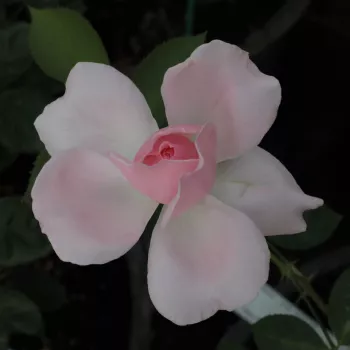
Refined clear pink that lightens towards the outer petals; buds pink with a silvery tint, blooms fade to pearl-pink with near-whitish edges, giving a soft, translucent effect in full flower. |
| Fragrance and aroma |
Medium-strength sweetly fresh scent, clearly noticeable at close quarters, adding an extra sensory layer in seating areas and making stems rewarding for cutting into indoor spaces. |
| Hip characteristics |
Due to very double flowers, hip set is limited; where formed, expect small spherical red hips around 8–12 mm, mainly a minor visual accent rather than a primary feature. |
| Resistance and winter hardiness |
Hardy to approximately −26 to −23 °C (H7, USDA 5b), with good resistance to powdery mildew and black spot, moderate rust sensitivity, and a need to avoid prolonged drought stress. |
| Horticultural recommendations |
Prefers sunny sites with regular watering and good drainage; plant roughly 1 per m² in beds, 90 cm apart for hedges, 170 cm as specimen; medium maintenance with occasional plant protection. |
Kathryn Morley offers romantic repeat flowering, an easy, bushy shrub form and enduring own-root vigour in a convenient 2-litre pot; a thoughtful, long-term addition to a relaxed coastal-inspired garden or veranda.