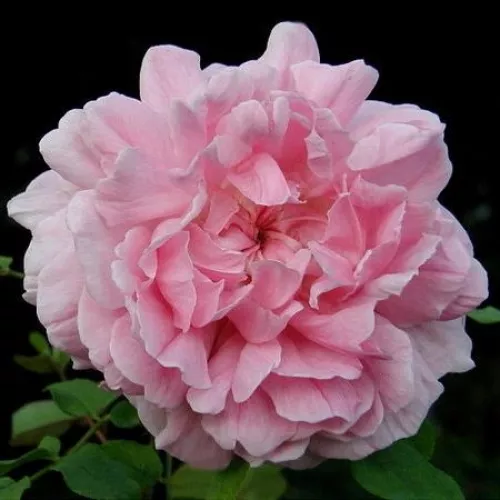
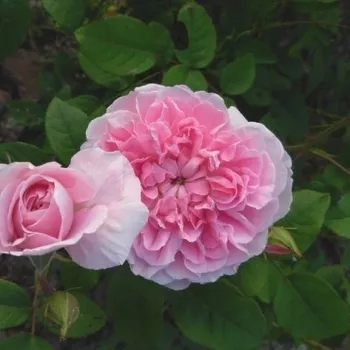
AUSGLISTEN – pink English rose – Austin
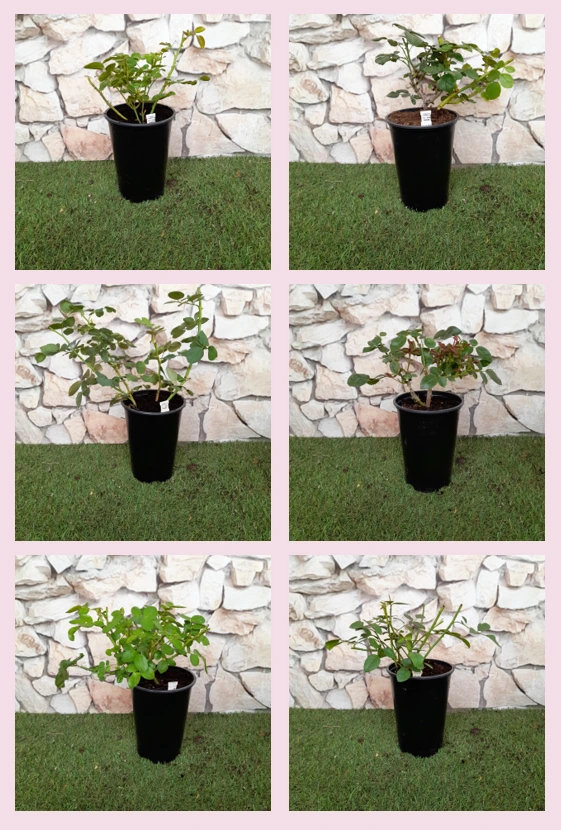
Imagine stepping onto your coastal veranda after a breezy walk, laying down your shells and sitting with a cup of tea beside the softly ruffled blooms of this classic English rose. Bred by David Austin, ‘Cottage Rose’ combines traditional charm with modern reliability, forming a bushy, upright shrub that is easy to live with in everyday family gardens. Its warm pink, rosette flowers repeat through the season with a medium, old-rose perfume, bringing gentle refreshment to compact beds and shingle borders alike. In exposed plots it offers reassuring stability, its roots helping it stay firmly anchored even where soil is improved for better drainage in persistent coastal wind and rain. As an own-root rose, it builds strength steadily, rewarding a little patience with long-term resilience, reliable flowering and graceful structure. Over time, you can expect it to mature into a settled part of the garden’s rhythm, needing only modest care to look consistently well-kept and inviting.
Usage options
| Target area | Reasoning |
|---|
| Small coastal front garden bed |
The compact, bushy habit and 100–150 cm height create a soft, wind-tolerant presence that suits shingle or gravel planting with improved drainage near the house. Own-root planting supports a long-lived, stable shrub for those wanting understated seaside romance, ideal for beginners. |
| Low flowering hedge along a path |
Planted 55 cm apart, ‘Cottage Rose’ forms a loose, pink hedge that repeats flower, guiding you from gate to front door without feeling formal. The moderately thorny stems discourage shortcutting while remaining manageable to trim, suiting family-households. |
| Feature rose in a small mixed border |
At around 1–1.5 m, it provides enough height to stand out, yet not so much that it overwhelms modest plots. The medium-sized, rosette blooms mix easily with perennials and grasses, giving season-long interest from one focal plant, appreciated by time-poor. |
| Large container on a sheltered veranda |
In a 40–60 litre container, this shrub rose performs reliably if watered regularly, bringing cottage-garden softness to balconies and verandas that cannot be deeply planted. The own-root system supports recovery if growth is checked, reassuring for renters. |
| Relaxed cottage-style flower bed |
With over 40 petals per bloom, the rosette flowers echo classic cottage borders and combine beautifully with lamb’s ear or airy grasses. Repeating flushes of warm pink carry the look from early summer into autumn, pleasing lovers of romance. |
| Informal tea corner or seating nook |
The medium, old-rose fragrance and generous second flush make this a natural companion for a bench or bistro set, where you can enjoy scent on still evenings. Over three seasons it moves from root-establishing to full ornamental presence, rewarding patient owners. |
| Low-maintenance family side garden |
Good resistance to powdery mildew and black spot means less spraying and fuss, particularly useful where access is awkward along side paths or between houses. Occasional deadheading and watering in dry spells usually suffice, attractive for busy. |
| Coastal-style planting with sea kale and grasses |
Its sturdy framework and mid-green foliage sit well among sea kale, Festuca and switchgrass, creating a shingle-garden mood that copes gracefully with regular breezes and showery days in exposed British plots, appealing to coastal-enthusiasts. |
Styling ideas
- Veranda-Retreat – place one shrub in a 50–60 litre pot beside a bistro table, underplant with trailing thyme and small grasses for movement – suited to tea-lovers with compact verandas.
- Cottage-Hedge – create a low hedge along a front path, weaving in lavender at intervals for fragrance and winter structure – ideal for homeowners wanting a gentle boundary.
- Shell-Garden – group with sea kale, Festuca and pale gravel, adding a driftwood feature to echo the seaside theme – appealing to coastal-style enthusiasts near Cornwall and Devon.
- Reading-Nook – back a small bench with two or three shrubs, framed by dwarf pine and lamb’s ear to soften the edges – perfect for those seeking a quiet, scented corner.
- Family-Border – anchor a mixed bed with this rose, then interplant Nepeta, salvias and ornamental grasses for long flowering with low input – good for busy families wanting lasting colour.
Technical cultivar profile
| Parameter | Data |
|---|
| Name and registration |
Registered as AUSglisten, marketed as Cottage Rose within David Austin’s English Rose Collection; shrub type for garden use and exhibitions as a classic English romantic rose. |
| Origin and breeding |
Bred by David C. H. Austin in the United Kingdom from ‘Wife of Bath’ × ‘Mary Rose’; introduced 1991 in Europe and 1992 elsewhere by David Austin Roses Ltd. |
| Growth and structural characteristics |
Bushy, upright shrub 100–150 cm tall and 70–120 cm wide, moderately thorny with mid-green, slightly glossy foliage of medium density, forming a rounded presence in beds and borders. |
| Flower morphology |
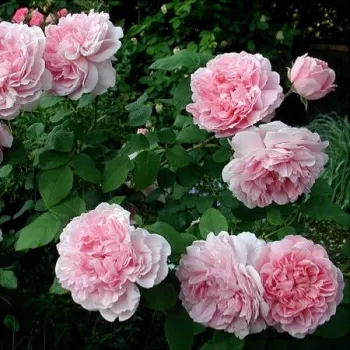
Very full, rosette-shaped, cluster-borne blooms, typically medium sized at 1.5–2.75 inches across, each with more than 40 petals and repeating well with an abundant second flush. |
| Colour data and phenology |
Warm mid-pink buds and newly opened blooms, outer petals slightly lighter; flowers gradually fade through soft light pink to almost creamy pink as they age, with weaker overall colour retention. |
| Fragrance and aroma |
Medium-strength, distinctly fragrant with a classic old-rose character, noticeable on still days and close to seating areas, adding a traditional scent dimension to cottage-style plantings. |
| Hip characteristics |
Due to the very double blooms, hips are usually sparse; where formed they are small, spherical, orange-red and around 10–14 mm diameter, adding only modest late-season interest. |
| Resistance and winter hardiness |
Good resistance to powdery mildew and black spot, moderate rust susceptibility; reliably hardy to about −26 to −23 °C (RHS H7, USDA 5b, Swedish Zone 4) with routine watering in dry spells. |
| Horticultural recommendations |
Best in sunny positions with well-drained soil; spacing 55–100 cm depending on hedge or specimen use, with low maintenance needs and regular deadheading to maintain flowering displays. |
AUSglisten English Rose offers repeat flowering, disease-resilient charm and long-term structure in an own-root form that settles in for years of easy enjoyment; a thoughtful choice if you value calm, reliable beauty in a small garden.