AUSJOLLY – peach-pink English rose - Austin
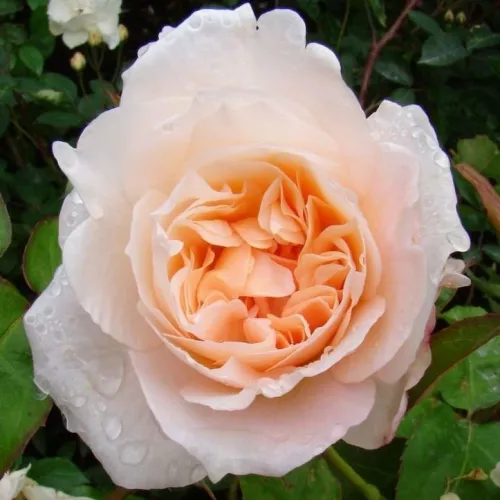
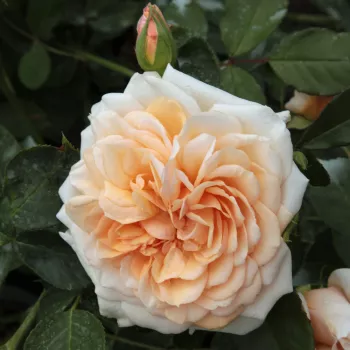
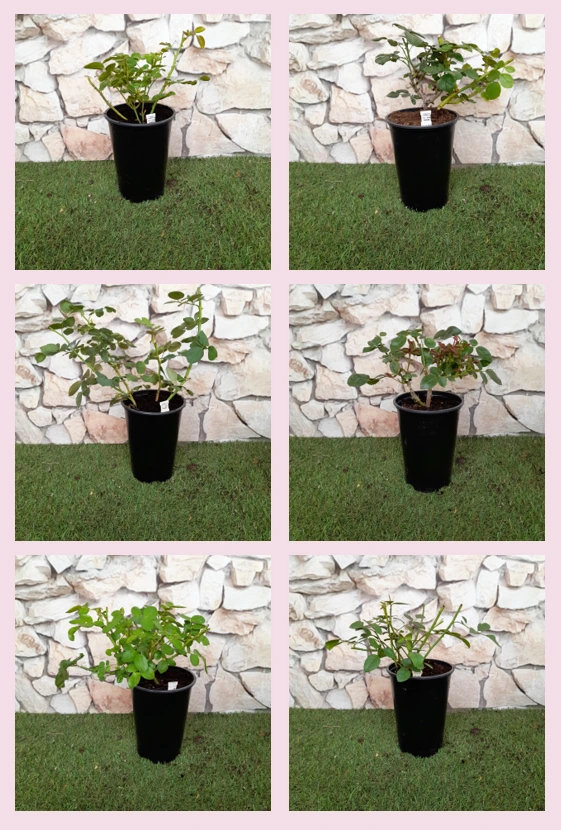
Imagine a sheltered coastal veranda where soft peach petals open above matt green foliage, giving reliable summer colour with minimal effort. This English shrub rose fits effortlessly into small family gardens, coping well with breezy sites and offering secure anchoring in soils that need careful drainage. Its upright, bushy habit is naturally compact, ideal beside a path or shingle terrace where you sit with afternoon tea. Strong, tea-like fragrance carries on salty air, while very double rosette blooms repeat steadily for a long season. As an own-root plant it settles in gradually – roots in year one, stronger shoots in year two, and full ornamental value in year three – supporting a long garden lifespan with gentle, occasional maintenance. In a generous container of at least 40–50 litres, this romantic rose becomes a stable, wind-tolerant focal point for relaxed coastal living.
Usage options
| Target area | Reasoning |
|---|
| Coastal veranda container (40–50 litres or larger) |
A compact, upright shrub that anchors well in a large pot and copes with breezy, salty conditions, giving a long flowering season on a manageable footprint for relaxed seaside living for the beginner. |
| Small family flower bed near a seating area |
Strong, spicy tea-like scent and repeat peach-pink blooms provide a long, fragrant season beside patios or benches without needing complex pruning, rewarding the time-poor. |
| Romantic mixed border with perennials |
Very double, rosette flowers and soft pastel tones blend easily with grasses and perennials, adding structure and classic charm while own-root vigour supports long-term presence for the stylist. |
| Shingle or gravel planting in mild coastal gardens |
Bushy, upright growth and dense foliage give shape among shingle and coastal-tolerant companions, while careful soil preparation improves drainage and stability for the shore-lover. |
| Feature rose in an urban courtyard |
Medium-sized, upright habit suits tight spaces, bringing a refined English rose look and strong fragrance into city gardens where easy care and reliability matter most to the urbanite. |
| Low, informal flowering hedge |
Regular repeat flowering and dense foliage help create an attractive, softly defined boundary; own-root resilience supports renewal if stems are cut back, reassuring the planner. |
| Partially shaded side garden |
Tolerant of partial shade, it still delivers well-formed, scented blooms where many roses struggle, extending rose planting options around the house for the experimenter. |
| Cut-flower corner in a family garden |
Large, very double blooms with a strong tea-like fragrance are excellent for cutting, allowing regular indoor arrangements without noticeably reducing garden display for the collector. |
Styling ideas
- Coastal-tea nook – Plant in a 50-litre tub by a sheltered veranda chair, underplant with blue Festuca and sea kale for a soft seaside palette – ideal for relaxed coastal homeowners.
- Pastel-border ribbon – Thread three shrubs through a mixed border with Geranium sanguineum and low yarrow to echo the peach tones – suited to cottage-style enthusiasts.
- Romantic-hedge line – Create a low, informal hedge along a path at 60 cm spacing, pairing with lavender for contrast – perfect for family gardens needing gentle structure.
- Courtyard-centrepiece – Use a single plant in a tall container as a focal point, surrounded by gravel and simple evergreens – attractive for busy urban gardeners.
- Shady-side charm – Place near a north-east wall receiving morning sun, combined with evergreen St John’s-wort for year-round texture – useful for awkward side-return spaces.
Technical cultivar profile
| Parameter | Data |
|---|
| Name and registration |
English shrub rose from the English Rose Collection; registered cultivar AUSjolly, trade name Ausjolly English Rose AUSjolly, ARS exhibition name Mary Magdalene. |
| Origin and breeding |
Bred by David Charles Henshaw Austin, David Austin Roses (Albrighton, UK); parentage unknown; bred, registered and introduced in the United Kingdom in 1998. |
| Growth and structural characteristics |
Bushy, upright shrub reaching about 90–140 cm high and 80–120 cm wide, with dense, mid-green matt foliage and moderate prickliness, forming a balanced, medium-sized garden rose. |
| Flower morphology |
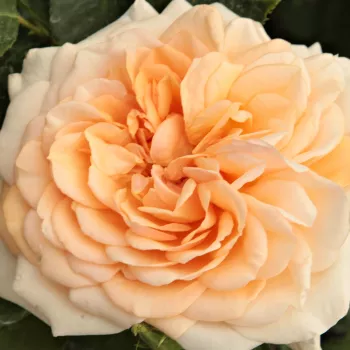
Large, very double rosette blooms with over 40 petals, borne mainly solitary on stems; remontant, with a plentiful second flush and further repeats through the season in good conditions. |
| Colour data and phenology |
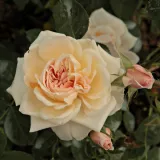
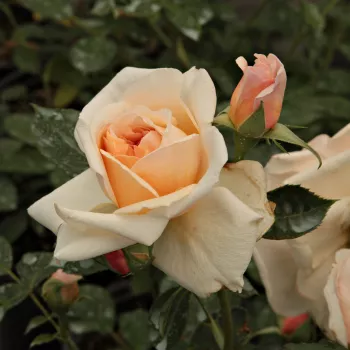
Soft peach-pink with a warm pastel hue; buds deeper at the tip, opening peachy then fading to creamy pale peach, with more pronounced lightening in strong sun; medium colour retention. |
| Fragrance and aroma |
Strong, distinctly noticeable scent combining spicy and tea-like notes; ornamental value prioritised over nectar access, as the very double form largely conceals stamens from pollinators. |
| Hip characteristics |
Hip set is usually low due to very double flowers; where present, produces small spherical orange-red hips about 12–19 mm in diameter that add modest late-season interest. |
| Resistance and winter hardiness |
Hardy to approximately −26 to −23 °C (RHS H7, USDA 5b, Swedish Zone 4); disease resistance moderate to mildew, black spot and rust, needing occasional monitoring and timely care. |
| Horticultural recommendations |
Suitable for flower beds, parks, urban green spaces, containers, cut flower use and specimens; medium maintenance with cleaning of spent blooms and spacing around 70–110 cm as advised. |
AUSjolly offers compact, upright growth, repeat, fragrant peach-pink blooms and long-lived own-root reliability, making it a thoughtful choice for relaxed coastal or urban gardens where you prefer gentle, straightforward care.