AUSMARY – pink English rose – Austin
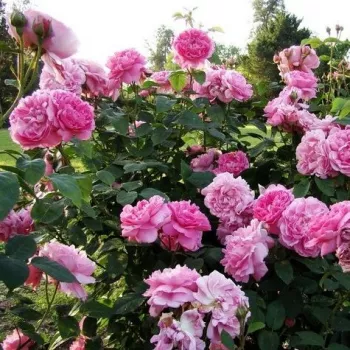
Imagine returning from the shore, sand on your shoes, and sitting down behind a gentle windbreak of soft pink roses that shrug off blustery UK weather while quietly anchouring the soil with good rooting in heavier coastal ground; AUSMARY (Mary Rose) is a classic English shrub rose that brings a long, relaxed flowering season without demanding complicated care, especially when grown in a roomy 40–50 litre container or a small family bed near your veranda, where its strong, honey-fruity fragrance and repeat-flowering habit feel as refreshing as sea air, and its own-root form settles in steadily – year one concentrating on roots, year two on building shoots, and year three revealing its full ornamental character, rewarding even time-pressed gardeners with reliable, medium-height structure and a forgiving, shade-tolerant nature.
Usage options
| Target area | Reasoning |
|---|
| Coastal veranda container (40–50 litres) |
Compact, bushy growth and moderate height make AUSMARY ideal for a generous coastal pot, where its repeat pink blooms and strong fragrance create a sheltered, wind-filtering corner for relaxed evening tea on the veranda, well suited to the busy coastal homeowner. |
| Small family flower bed |
Its medium height, bushy habit and long season of double rosettes provide a dependable focal point in an average-sized border, delivering classic English-rose charm without complex pruning for those who just want colour and scent with modest upkeep, ideal for the time-pressed hobby gardener. |
| Low, romantic hedge |
Planted at hedge spacing, AUSMARY forms a softly rounded, flowering boundary that offers privacy and structure while staying manageable in height, perfect along paths or driveways where you want fragrance and a gentle screen but straightforward seasonal care, attractive to the family-garden owner. |
| Part-shaded town garden corner |
Good tolerance of partial shade means it will still flower reliably where fences, neighbouring houses or sheds limit sun, giving usable colour and perfume in tricky urban spots instead of bare soil or dull shrubs, encouraging the confident beginner gardener. |
| Coastal shingle or heavy clay bed |
Given improved drainage, AUSMARY copes well where wind and rain are frequent, and once established its own-root system helps it stay anchored and long-lived in heavier UK soils that see regular winter wet, reassuring the weather-exposed coastal gardener. |
| Low-maintenance own-root planting |
As an own-root shrub, it regrows reliably from its base if cut back by weather or time, avoiding the graft-related issues of traditional roses and helping to preserve its shape and flowers over many seasons with only occasional pruning, appealing to the longevity-focused buyer. |
| Season-long focal point near seating |
With an early main flush followed by plentiful repeat flowering, AUSMARY offers a long window of colour and scent around patios or benches, so even irregular gardeners can enjoy a consistently pretty backdrop for everyday moments outside, suiting the relaxed patio user. |
| Traditional English-rose mixed border |
Classic medium-pink rosette blooms, strong honey-fruity fragrance and moderately glossy foliage harmonise with perennials and grasses, delivering a historically rooted English-rose look that still feels fresh beside contemporary hard landscaping, inspiring the style-conscious romantic. |
Styling ideas
- Seaside-Hedge – Line a low, curving boundary with AUSMARY and silvered grasses to echo dune shapes while giving a scented, wind-filtering screen – ideal for coastal family gardens.
- Veranda-Pots – Plant one shrub per 50 litre container with free-draining compost and a low skirt of sea thrift to create a fragrant, easy-care seating backdrop – perfect for busy coastal veranda owners.
- Pink-Drift – Combine AUSMARY with blue catmint and soft fescues in a small bed for a billowing, romantic haze of pink and blue that needs only light annual pruning – suited to low-maintenance cottage-style lovers.
- Shade-Alcove – Tuck AUSMARY into a part-shaded corner with hostas and ferns, letting its scented blooms lift darker spaces without demanding full sun – good for overlooked town gardens.
- Heritage-Focus – Use AUSMARY as a central specimen near a bench, underplant with lavender and white gypsophila for a classic English-rose vignette that looks thoughtful yet is easy to keep – appealing to design-aware beginners.
Technical cultivar profile
| Parameter | Data |
|---|
| Name and registration |
English shrub rose from the English Rose Collection; registered cultivar name AUSmary, commonly traded as Mary Rose, commercial romantic rose type for garden use and display. |
| Origin and breeding |
Bred by David C. H. Austin in the United Kingdom from ‘Wife of Bath’ × ‘The Miller’, introduced and registered in 1983 by David Austin Roses Ltd. as a modern English shrub rose. |
| Awards and recognition |
Holds the RHS Award of Garden Merit (1993), confirming dependable garden performance, ornamental value and sound health under typical UK growing conditions when reasonably well maintained. |
| Growth and structural characteristics |
Bushy, medium to tall shrub 110–170 cm high and 90–130 cm wide, with moderately dense, mid-green glossy foliage and moderate prickliness, forming a full, gently arching outline in beds or hedges. |
| Flower morphology |
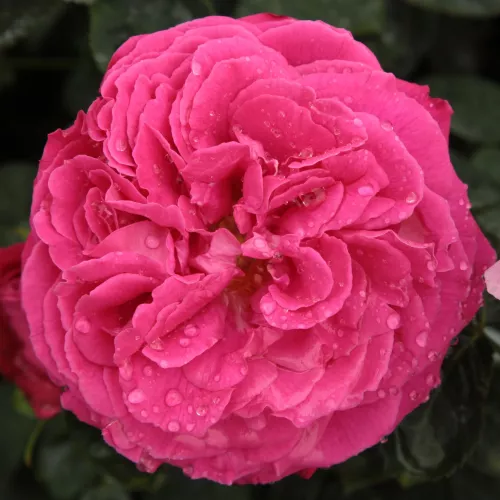
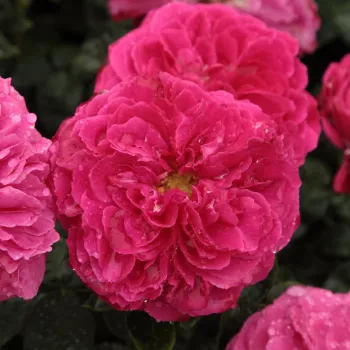
Large, very full double rosette blooms with 40+ petals, usually borne in clusters, delivering a traditional English-rose look; repeat-flowering with a generous second flush after the main early summer display. |
| Colour data and phenology |
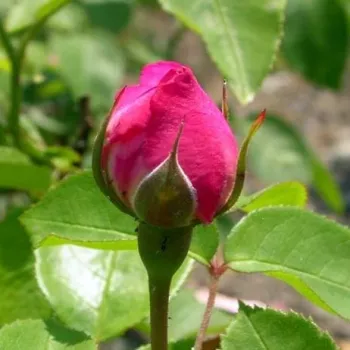
Even medium pink with a slightly warm tone; buds are darker pink, opening to mid-pink and then softening to lighter pink edges as flowers age, with colour retention rated medium under normal garden conditions. |
| Fragrance and aroma |
Strong, distinctive scent combining honey-fruity notes with classic rose character; double flowers hide stamens so pollinator value is limited, although occasional insect visits may still occur in warm weather. |
| Hip characteristics |
Hip set is sparse due to very double blooms; where pollination succeeds it can develop small, orange, bottle-shaped hips around 18–26 mm across, adding discreet late-season detail and interest. |
| Resistance and winter hardiness |
Hardy to approximately −26 to −23 °C (RHS H7, USDA 5b), with black spot resistance rated good, while powdery mildew and rust are moderate; benefits from spring frost protection in colder or exposed gardens. |
| Horticultural recommendations |
Suited to beds, hedges, specimens and large containers; prefers fertile, well-drained soil, regular watering in dry spells and occasional plant protection, with light deadheading to maintain flowering and form. |
AUSmary offers romantic pink blooms with strong fragrance, reliable repeat flowering and long-lived own-root resilience, making it a considerate choice for relaxed coastal and family gardens where you prefer beauty with measured effort.