AUSMOON – yellow English rose - Austin
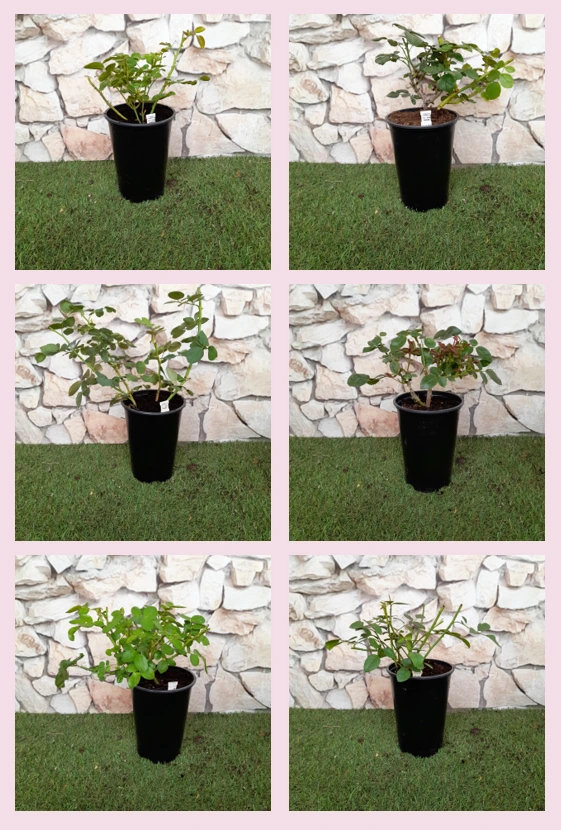
Imagine afternoon seabreeze and a sheltered cup of tea as this English shrub rose brings soft apricot-yellow blooms and strong tea fragrance to your coastal-style garden. In a sunny, well-drained corner it settles in steadily, its own-root form giving reassuring longevity and stability without complicated care. Over the first three years it builds from quiet root establishment to generous shoots and finally its full ornamental presence, rewarding you with reliable flowering and medium-height structure that feels anchored even when Atlantic weather turns gusty and wet along exposed Cornish and Devon plots. Barely any thorns and medium maintenance needs make day-to-day upkeep straightforward, so you can enjoy its romantic, rosette blooms in containers of at least 40–50 litres or tucked into mixed borders as a soft, wind-filtering screen.
Usage options
| Target area | Reasoning |
|---|
| Small coastal front garden |
Medium-height, upright growth gives you a gentle, space-saving wind-filter without overpowering a modest plot, and its romantic, rosette blooms echo the pastel tones of seaside planting, ideal for a relaxed, welcoming approach for beginners. |
| Large container on veranda or balcony |
Own-root plants establish steadily and live for many years in a 40–50 litre or larger container, so you can enjoy long-term flowering without frequent replacement, perfect for a low-effort statement rose for busy-owners. |
| Family seating area or tea corner |
Strong tea fragrance and repeat flowering create a scented backdrop for everyday use, while its barely prickly stems are easier to live with near paths and chairs, providing comfortable beauty for family-gardeners. |
| Mixed border with grasses and perennials |
Dense, slightly glossy foliage and upright form weave easily among sea kale, Festuca or switchgrass, offering a long-season focal point that ties coastal textures together attractively for style-conscious. |
| Light windbreak in a sunny, exposed spot |
The shrub’s solid framework and dense leaf canopy help take the edge off prevailing winds while coping well with wet, breezy conditions common in coastal gardens, giving reassuring shelter for shoreline-owners. |
| Romantic hedge in front or back garden |
Planted at hedge spacing, its upright habit and season-long clusters of rosette blooms create a soft, traditional English rose line that frames paths and lawns with minimal training, appealing to informal-hedge enthusiasts. |
| Cutting corner for home arrangements |
Cluster-flowered, very double blooms with good stem length provide charming stems for the house, letting you harvest small bunches through the season without losing overall display, ideal for home-floristry lovers. |
| Long-term feature shrub in clay-based soil |
Once established with sensible drainage, the own-root shrub develops a resilient framework that comes back reliably each year, even if top growth is weather-checked, making it a steady presence for low-intervention gardeners. |
Styling ideas
- Seaside Veranda Pot – plant one AUSmoon in a 50–60 litre tub with trailing Euonymus fortunei and silver Festuca to echo shingle colours – ideal for coastal-style balcony owners.
- Tea-Time Nook – flank a small seating area with two shrubs underplanted with lavender and white sea thrift to enjoy fragrance on breezy afternoons – suited to relaxed family gardens.
- Soft Wind Filter – line the windward edge of a terrace with a loose row of shrubs mixed with sea kale for movement and shelter – for homeowners wanting gentle screening.
- Romantic Border Drift – weave AUSmoon between Echinacea purpurea and ornamental grasses to blend cottage-garden charm with airy coastal textures – perfect for informal border enthusiasts.
- Cutting Patch Accent – dedicate a sunny corner to three shrubs in a triangle, allowing easy access for regular cutting while keeping a lush backdrop – ideal for home flower arrangers.
Technical cultivar profile
| Parameter | Data |
|---|
| Name and registration |
Shrub rose from the English Rose collection; registered as AUSmoon, marketed under several Ausmoon English Rose names, with Pegasus as the approved American Rose Society exhibition name. |
| Origin and breeding |
Bred by David C. H. Austin in the United Kingdom from ‘Graham Thomas’ × ‘Pascali’; introduced and distributed by David Austin Roses Ltd. in 1995 as a romantic English shrub rose. |
| Growth and structural characteristics |
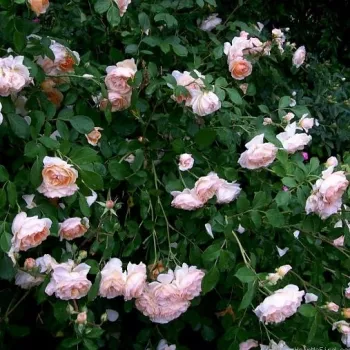
Upright shrub reaching about 120–170 cm high and 110–160 cm wide, with dense, medium-green, slightly glossy foliage and very few prickles, forming a substantial yet manageable garden presence. |
| Flower morphology |
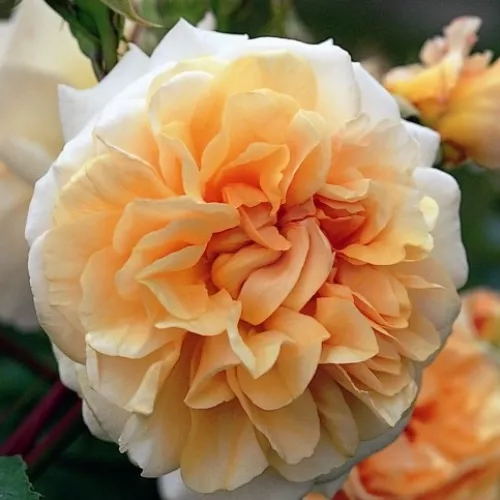
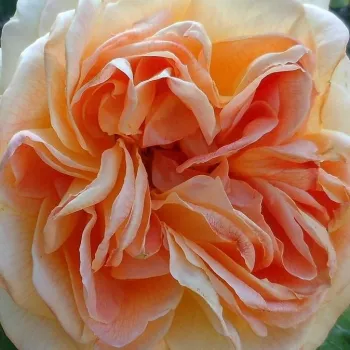
Medium-sized, very double rosette blooms with over 40 petals, borne in clusters; remontant habit with an abundant second flush, providing repeated decorative impact during the main season. |
| Colour data and phenology |
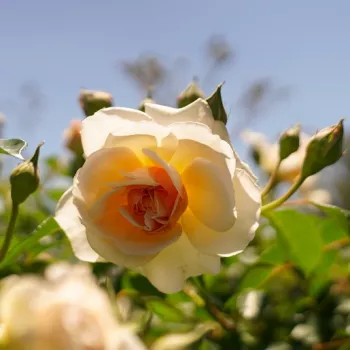
Butter-yellow buds and apricot-yellow centres that soften towards cream-yellow outer petals; colour lightens in strong sun, giving a gentle, pastel effect as flowers age across the shrub. |
| Fragrance and aroma |
Pronounced, traditional tea scent rated strong, offering a distinct perfume around paths and seating areas; primarily ornamental due to very double flowers, with stamens largely concealed. |
| Hip characteristics |
Hip formation is uncommon; when present, small ellipsoid orange-red hips around 10–14 mm across may develop, adding a modest seasonal accent rather than a primary display feature. |
| Resistance and winter hardiness |
Hardy to around −26 to −23 °C (RHS H7, USDA 5b, Swedish zone 4) with medium overall disease resistance, showing good tolerance to powdery mildew and moderate resistance to black spot and rust. |
| Horticultural recommendations |
Best in full sun and well-drained soil; plant 120–130 cm apart in hedges or masses, or give up to 200 cm as a specimen, with medium maintenance and occasional dead-heading and plant protection. |
AUSmoon – yellow English rose - Austin offers fragrant, repeat flowering, gently structured growth and long-lived own-root reliability; a considered choice if you would like an easy, enduring feature rose.