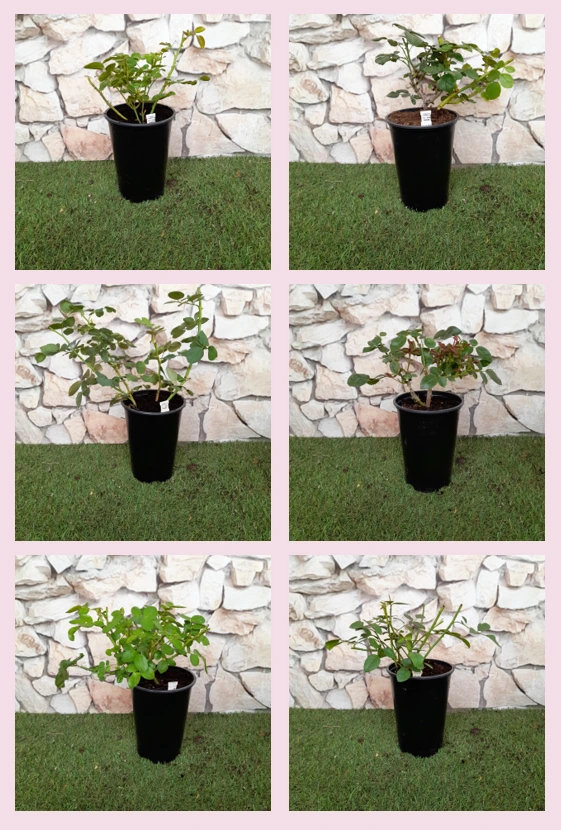
Tess of the d’Urbervilles – crimson English climbing rose (AUSmove)
Imagine returning from the seaside, wind in your hair, to a veranda sheltered by deep crimson blooms: this English climbing rose wraps your seating area in a gentle windbreak while thriving in breezy conditions and managing moisture in heavier coastal soils with reassuring stability. Large, fully double rosettes open in flushes through the season, their strong, classic perfume drifting in on salty air to bring pure refreshment to your tea corner. In an average family garden it stays compact enough to train on a fence, arch or balcony frame, yet forms a dense curtain of mid‑green foliage for easy, elegant screening and privacy. As an own‑root rose it offers quietly dependable longevity, regenerating well from the base and rewarding light pruning with renewed flowering. Give it a generous container of at least 50 litres, a bright but slightly sheltered position, and over the first three years you will see roots establish, shoots extend and then full ornamental value unfold with minimal effort.
Usage options
| Target area |
Reasoning |
| Coastal veranda windbreak |
Upright, dense growth and mid‑green foliage can be trained along balustrades or trellis to create a living screen that softens salt‑laden breezes without overwhelming a small veranda; ideal for homeowners seeking calm shelter after seaside walks, especially beginners. |
| Small family garden arch or pergola |
With a height around 150–210 cm and moderate spread, this climber clothes compact arches and light pergolas without becoming unmanageable, giving repeated crimson flushes over play areas or seating spots that suit time‑pressed families. |
| Romantic fence or wall cover |
The very double, rosette blooms and rich crimson colour quickly bring a “novel‑heroine” romance to plain fences or garage walls, delivering strong scent and generous clusters from a relatively narrow footprint valued by style‑conscious homeowners. |
| Feature rose in large container |
In a 50–60 litre pot on a shingle terrace or balcony, its own‑root vigour and manageable size allow stable anchoring and steady growth, while the three‑year development from roots to full display suits patient yet busy gardeners. |
| Mixed border in heavy UK soils |
The robust shrub‑climber framework and moderate maintenance needs make it a good choice where typical British clay demands reliable anchoring and sensible watering, offering lasting structure and colour for practical owners. |
| Cut flowers for the house |
Large, very double rosettes on strong stems with a classic, long‑lasting perfume can be cut for vases without stripping the plant bare, adding a touch of English‑literary drama indoors for fragrance‑loving users. |
| Partial shade seating corner |
Its suitability for partial shade allows planting near north‑east facing walls or dappled veranda corners, where the crimson blooms and scent still perform well, enhancing modest light levels valued by urban flat‑dwellers and beginners. |
| Long‑term garden investment |
As an own‑root rose it ages gracefully, regrowing from the base if cut back hard and maintaining ornamental value over many seasons with only moderate care, making it a thoughtful choice for future‑minded garden planners. |
Styling ideas
- Cornish veranda curtain – Train along a simple wire frame over a coastal veranda, underplant with sea kale and blue Festuca for a salty, shingle feel – ideal for seaside flat dwellers wanting privacy and romance.
- Literary garden arch – Let it climb a narrow arch flanked by lavender and Stipa tenuissima ‘Pony Tails’ for movement and perfume – suited to readers who imagine walking into a Hardy novel.
- Crimson courtyard pot – Grow in a 50–70 litre clay pot with gravel mulch and dwarf honeysuckle at the base – perfect for busy owners needing impact from a single, reliable container.
- Family fence makeover – Space plants along a sunny back‑garden fence, weaving stems lightly and combining with Liatris ‘Kobold’ – good for families upgrading a bare boundary with low effort.
- Shaded tea corner – Place near a part‑shade bench with soft grasses and pale furniture, letting the deep crimson blooms and fragrance define the space – for urban gardeners creating a calm retreat.
Technical cultivar profile
| Property |
Data |
| Name and registration |
Registered as AUSmove, marketed as Tess of the d’Urbervilles within the English Rose Collection; classified as a climbing shrub rose suitable for garden and exhibition use. |
| Origin and breeding |
Bred by David C. H. Austin in Albrighton, United Kingdom, from ‘The Squire’ × unknown seedling; bred 1997, registered 1999, introduced after 1999 through David Austin Roses. |
| Growth and structural characteristics |
Upright climbing shrub reaching about 150–210 cm in height and 120–180 cm spread, with dense, slightly glossy mid‑green foliage and moderate prickliness on the canes. |
| Flower morphology |
Large, very double rosette blooms with over 40 petals, produced in clusters; remontant, with a strong main flush followed by abundant repeat flowering across the season. |
| Colour data and phenology |
Deep, saturated crimson‑red flowers with velvety texture; buds dark crimson, ageing through rich crimson to muted brownish‑purple, with colour generally holding well before moderate lightening in strong sun. |
| Fragrance and aroma |
Strong, long‑lasting classic rose fragrance with traditional English character; scent remains noticeable on warm still days and is well suited to seating areas and cut‑flower use. |
| Hip characteristics |
Moderately abundant spherical hips, approximately 11–19 mm in diameter, colouring orange‑red in late season and adding a gentle ornamental effect after the main flowering period. |
| Resistance and winter hardiness |
Hardy to about −26 to −23 °C (RHS H7, USDA 5b, Swedish zone 4); disease resistance moderate to powdery mildew, black spot and rust, benefits from routine monitoring and timely care. |
| Horticultural recommendations |
Best on fertile, well‑drained soil with regular watering in dry spells; suitable for borders, specimens, arches, pergolas, fences and cutting, planted 140–250 cm apart depending on use. |
Tess of the d’Urbervilles (AUSmove) combines rich fragrance, repeat crimson flowering and compact climbing habit with the quiet reliability of an own-root rose, making it a cultured long-term choice for your garden structure and seating areas.