BABY MASQUERADE® – yellow-pink dwarf mini rose - Tantau
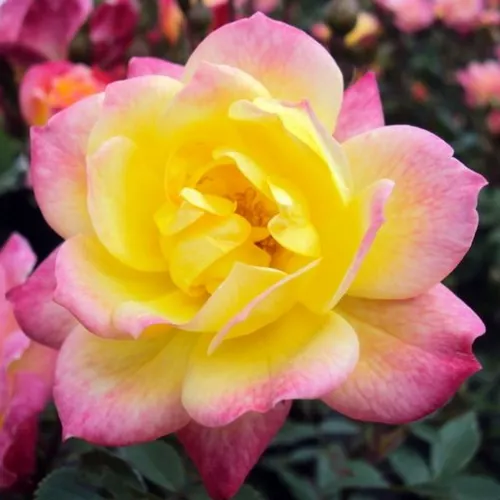
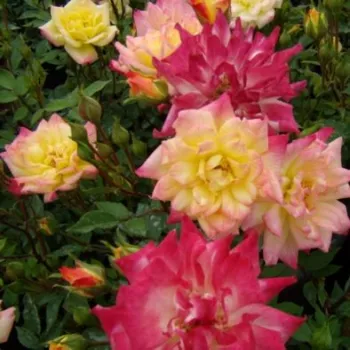
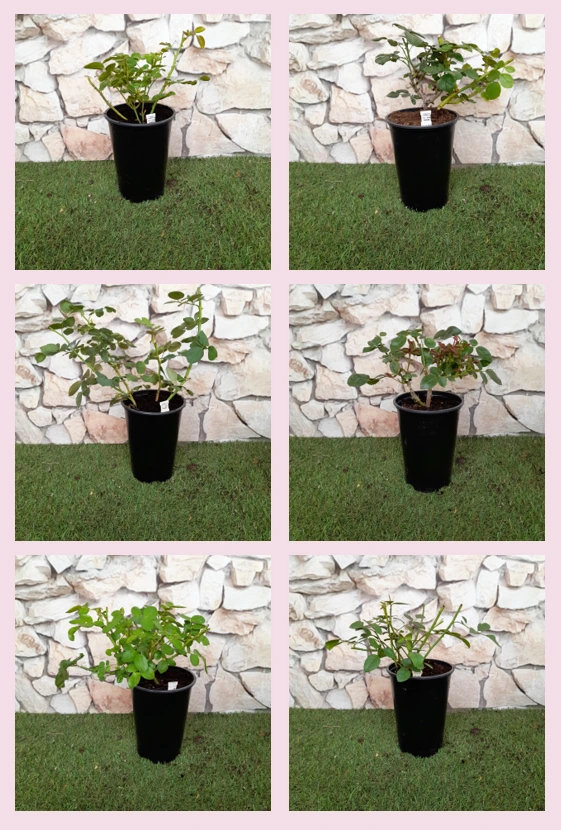
Imagine stepping onto your coastal veranda, the breeze carrying a hint of salt as clusters of colour-shifting blooms glow against dark green foliage, all on a compact, easy-to-place bush. BABY MASQUERADE® is a miniature rose that suits smaller, wind-prone family gardens, offering reassuring stability in breezier, wetter weather by rooting deeply and holding the soil well. Its bushy, low habit makes it ideal for shingle beds, narrow borders or large coastal pots, with flowers that open sunshine yellow and gently wash to pink-red, echoing the changing light over the sea. As an own-root rose, it develops for the long term: in the first year it quietly builds roots, in the second it pushes stronger shoots, and by the third it shows its full ornamental effect with generous clusters of blooms. You gain reassuring longevity and reliable repeat flowering without complicated maintenance, leaving you free to enjoy that cup of tea after collecting seashells, while this neat little rose quietly does its work.
Usage options
| Target area |
Reasoning |
| Coastal veranda in large containers |
Its compact, bushy growth and modest height suit exposed verandas, where a 40–50 litre pot gives enough depth for anchoring roots and steady moisture. The colour-changing flowers provide long-season interest for relaxed evening views over the garden, ideal for beginners. |
| Small family front garden border |
The dwarf, tidy stature works well along drives and paths, where children and pets pass close by and you want cheerful flowers without dominating the space. Reliable remontant flowering keeps the border lively from summer into autumn, reassuring for busy homeowners. |
| Shingle or gravel coastal-style bed |
Planted through decorative gravel, its dense foliage and branching structure knit into the soil, helping the plant stay steady in blustery weather and lighter substrates. This fits a low-maintenance, beach-inspired look that still feels polished for coastal-style lovers. |
| Mixed pot grouping on a patio |
Its semi-double, cluster-flowered blooms repeat through the season, pairing well with textural grasses and lavender in neighbouring containers. The steady flowering rhythm softens hard surfaces and provides a colourful backdrop to outdoor seating, pleasing for urban gardeners. |
| Low mini-hedge along a path or terrace |
With recommended spacings down to 25 cm, several plants can form an informal edging that outlines paths without blocking views. The uniform height and bushy habit create a neat, gently shifting band of yellow and pink-red tones, attractive to design-conscious owners. |
| Partially shaded seating nook |
This variety tolerates partial shade, making it suited to corners that receive only a few hours of sun but still need brightening. The changing petal colours read well even in softer light, offering subtle interest where bolder plants might sulk, encouraging for shaded-garden keepers. |
| Children’s “girly” flower corner |
The small, colourful blooms and modest prickliness make an appealing, manageable rose for a child’s planting area, especially with seashells or pebbles used as mulches. Its remontant habit means there is nearly always something to admire for young gardeners. |
| Structured mini rose bed with perennials |
Square or hexagonal planting at the suggested densities quickly creates a dense, low framework of foliage and flowers, ideal as the foreground to taller perennials such as sea kale or verbena. This stable base layer suits planners seeking reliable structure for hobby gardeners. |
Styling ideas
- Seaside-border – Combine BABY MASQUERADE® with sea kale and blue Festuca in a shingle strip near a veranda, echoing beach textures for coastal-style lovers – target audience: coastal veranda owners.
- Pastel-patio – Plant one rose in a 50-litre clay pot with soft grey gravel mulch and a low honeysuckle nearby, creating a gentle “girly” corner – target audience: beginners with small patios.
- Mini-hedge – Use a row at 25 cm spacing to edge a family path, underplanting with creeping thyme for scent at ground level – target audience: family garden owners.
- Storybook-bed – Mix with fragrant peonies and airy Verbena bonariensis so the miniature roses form a colourful lower tier – target audience: romantic cottage-garden enthusiasts.
- Container-trio – Group three large pots: BABY MASQUERADE® for colour, a compact lavender for scent, and a blue grass for movement – target audience: time-poor urban gardeners.
Technical cultivar profile
| Parameter |
Data |
| Name and registration |
Miniature rose marketed as BABY MASQUERADE®; registered names include Baby Masquerade, TANbakede and TANba, with American Rose Society exhibition name Baby Masquerade. |
| Origin and breeding |
Bred by Mathias Tantau Jr. in Germany from Tom Thumb × Masquerade; introduced by Tantau Roses in 1956 as a dwarf, cluster-flowering miniature suitable for garden and exhibition use. |
| Growth and structural characteristics |
Compact, bushy dwarf rose reaching about 40–50 cm high and 35–45 cm wide, with dense, glossy dark green foliage and moderate prickles, forming a neat, rounded mini-bush habit. |
| Flower morphology |
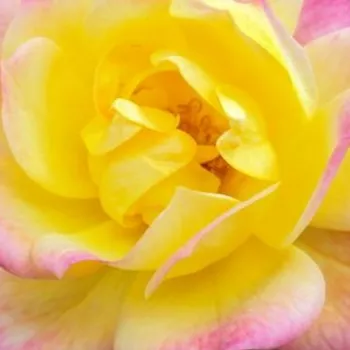
Semi-double blooms with 13–25 petals produced in clusters on short stems; flowers are small, typically 0.5–1.5 inches across, with a flat form and good visibility of the central structures. |
| Colour data and phenology |
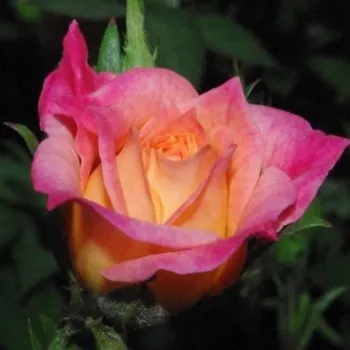
Golden-yellow base with pink-red edged band; buds lemon yellow with pink tinge, then yellow centres with pale pink, deepening to rose-red and carmine edges as blooms mature and the yellow ground colour fades. |
| Fragrance and aroma |
Fragrance is very weak and barely perceptible, with no defined scent character reported; chosen mainly for its lively colour change, compact habit and repeat flowering rather than perfume contribution. |
| Hip characteristics |
Produces moderately abundant, spherical rose hips around 4–6 mm in diameter, coloured orange-red (RHS 44A), adding a fine-textured decorative effect in late season when flowers reduce. |
| Resistance and winter hardiness |
Hardy to approximately –21 to –18 °C (RHS H7, Swedish Zone 3, USDA 6b); medium overall disease resistance, with good powdery mildew resistance and medium susceptibility to black spot and rust. |
| Horticultural recommendations |
Best in borders, beds and pots at 25–45 cm spacing; medium maintenance with occasional plant protection; tolerates partial shade and benefits from well-drained soil and regular watering in containers. |
BABY MASQUERADE® offers compact, repeat flowering colour, long-lived own-root reliability and easy container use, making it a thoughtful choice for relaxed, low-fuss coastal and family gardens.