BAD BIRNBACH ® – pink bedding floribunda rose - Kordes
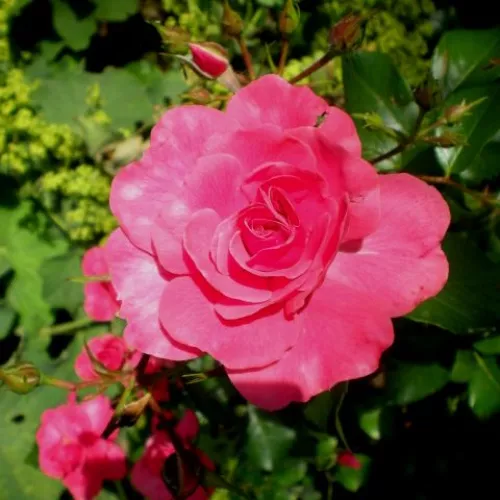
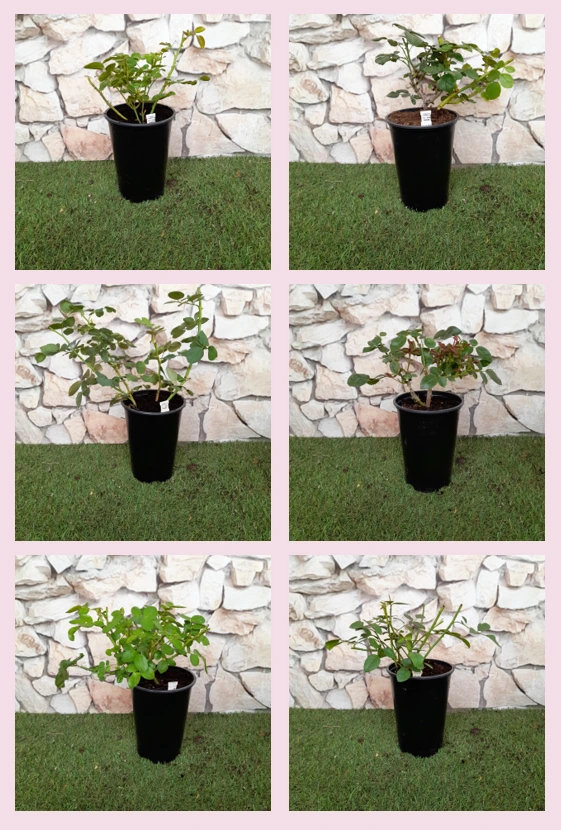
Imagine a Cornish veranda or small family garden softened by low, flowering mounds of salmon blooms: BAD BIRNBACH ® is a compact floribunda that naturally forms neat, bushy beds, ideal where you want colour without fuss. Bred by Kordes and supplied as a vivianaROSE® ORIGINAL own-root plant, it is designed for long-term stability and steady regeneration, so you can enjoy a reliable display rather than worrying about replanting every few years. Its dense, glossy dark foliage shrugs off blustery, salt-tinged air, providing reassuring structure on exposed plots while you focus on drainage and simple water management. In a 40–50 litre container or a narrow shingle strip, it knits together into a low, wind-filtering hedge, the semi-double flowers opening repeatedly from early summer well into autumn, offering soft, “girly” coastal charm with minimal upkeep. Over the first three seasons it quietly develops – first building roots, then stronger shoots, and by year three giving its full ornamental impact.
Usage options
| Target area |
Reasoning |
| Small coastal front garden bed |
The compact, 40–60 cm bushy habit fits narrow beds by drives or front paths, creating a low flowering band that filters wind without blocking light or views, well suited to busy coastal-living homeowners who value easy-care colour. |
| Large container on a veranda or balcony |
Planted in a 40–50 litre pot with good drainage, BAD BIRNBACH ® forms a stable, long-lived own-root shrub whose dense roots anchor the plant against gusty conditions and offer dependable flowering for beginners seeking low-effort beauty. |
| Family seating area windbreak |
In a shallow hedge line, its uniform height and dense foliage create a soft-edged barrier that slows salty breezes while keeping the space open and child-friendly, giving relaxed tea-time shelter to families wanting practical prettiness. |
| Low-maintenance groundcover strip |
Planted at recommended spacing, its spreading, floriferous mounds quickly knit together, covering bare soil and reducing weeding in drive edges or along paths, a helpful solution for time-poor gardeners favouring simple upkeep. |
| Pollinator-friendly corner |
Semi-double clusters open to reveal stamens, offering accessible pollen through repeat flushes, blending ornament and ecological value for householders who enjoy gentle wildlife interest but still prioritise ornamental impact. |
| Mixed coastal-style “girly” border |
The warm salmon-pink flowers pair beautifully with sea kale, Festuca and lavender tones, creating a soft, seaside palette that tolerates breezy, salt-tinged air while you simply ensure reasonable drainage, ideal for fans of romantic planting. |
| Urban courtyard with limited light |
This rose accepts some partial shade, so in city courtyards or between neighbouring houses it still gives satisfying clusters of bloom, suiting novice gardeners juggling work and family who appreciate forgiving plants. |
| Long-term family garden feature bed |
ADR-level reliability, own-root longevity and repeat flowering make a future-proof feature that matures gracefully over the years with modest care, reassuring homeowners planning a stable, evolving space for growing families. |
Styling ideas
- Coastal-Cosy Border – combine with blue Festuca and white sea thrift along shingle paths for a soft, wind-filtering ribbon of colour – ideal for coastal veranda owners who want calm, low-care charm.
- Veranda-Tea Pots – one rose per 50 litre clay container with trailing thyme and gravel mulch evokes spa-town elegance – perfect for beginners who like tidy, contained displays.
- Girly-Pastel Drift – mass-plant in a shallow curve, underplant with pale campanulas for a romantic, pink-and-lilac wave – suited to families wanting pretty structure with little pruning.
- Urban-Relax Corner – mix with dwarf lavender and soft grasses in a small courtyard bed for fragrance and movement – a good option for busy professionals seeking low-fuss evening relaxation.
- Play-Friendly Edging – use as a low hedge edging a lawn or sandpit, with tough daisies woven through, to define space without harsh barriers – appealing to parents planning resilient, gentle boundaries.
Technical cultivar profile
| Property |
Data |
| Name and registration |
Floribunda bed rose BAD BIRNBACH ® (KORpancom), from the Kordes' Klima-Rosen® collection; registered as KORpancom with ARS exhibition name Bad Birnbach and protected as ROS 1808. |
| Origin and breeding |
Bred in Germany by Reimer Kordes (W. Kordes’ Söhne) in 1983 from ‘Weisse Immensee’ × ‘Bella Rosa’; introduced commercially in 1999 via W. Kordes’ Söhne. |
| Awards and recognition |
Holds ADR award (2000) for garden performance and reliability, plus Madrid silver medal (1999) and Australian Certificate of Merit (2001), confirming strong, widely tested ornamental value. |
| Growth and structural characteristics |
Compact, bushy shrub 40–60 cm high and wide with dense, dark green glossy foliage and moderate prickles, forming tidy, low cushions well suited to bedding, edging and small-scale hedging. |
| Flower morphology |
Semi-double clusters of medium-sized, flat blooms with approximately 13–25 petals; remontant habit produces abundant first flush followed by a second rich flowering and further repeat clusters. |
| Colour data and phenology |
Warm salmon-pink flowers (RHS 38C outer, 38D inner) shifting from deeper buds to paler, cream-salmon tints and gently fading edges; colour may lighten in strong sun and deepen in cool weather. |
| Fragrance and aroma |
Fragrance is very weak and barely noticeable; this cultivar is selected mainly for reliable flowering and colour rather than scent, with semi-double blooms offering some value to visiting pollinating insects. |
| Hip characteristics |
After flowering it can produce moderate numbers of small, spherical red hips, around 6–10 mm in diameter, adding discrete seasonal interest and potential wildlife value in late season. |
| Resistance and winter hardiness |
Rated to approximately -26 to -23 °C (RHS H7, Swedish Zone 4, USDA 5b); diseases such as mildew, black spot and rust appear at moderate levels, with generally good heat tolerance in summer. |
| Horticultural recommendations |
Suited to beds, groundcover, edging and containers; plant 40–45 cm apart in groups, allow 75 cm for solitary use, in well-drained soil with regular watering and occasional plant protection if needed. |
BAD BIRNBACH ® offers compact, repeat flowering colour, dependable coastal-friendly performance and long-lived own-root resilience; an informed choice if you want lasting charm with straightforward care.