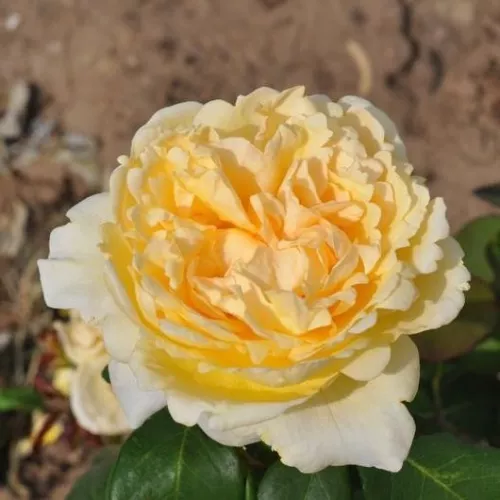
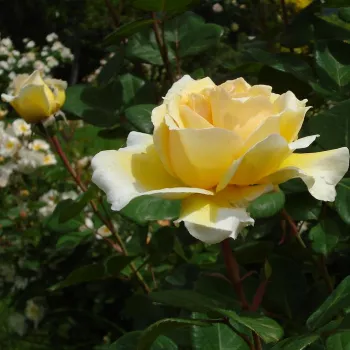
Bella di Todi® – BARbetod hybrid tea rose
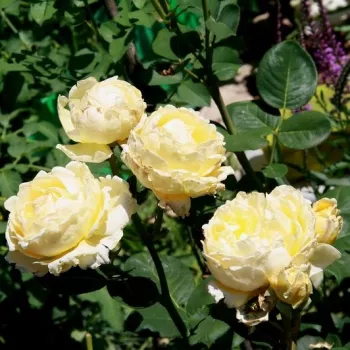
Imagine stepping onto a sun-warmed coastal veranda, tea in hand, as the wind moves through shingle and planting: Bella di Todi® brings that same sense of bright refreshment to a small family garden. Large, very full, classically shaped blooms open in a rich golden yellow, softening to buttery tones that sit beautifully beside silvery sea kale or blue-grey Festuca. Its upright, compact habit fits neatly into typical UK plots and works especially well where good drainage supports roots that anchor securely against brisk coastal breezes. Grown on its own roots, it establishes steadily for a long-lived, reliable display, with a generous repeat flush ideal for summer evenings. The strongly rose-like fragrance carries on the air from a sheltered corner, while glossy foliage adds structure even between waves of bloom; think of year one for rooting, year two for building shoots, and year three for full ornamental value.
Usage options
| Target area |
Reasoning |
| Coastal veranda container (40–50 litre) |
A compact, upright hybrid tea that performs reliably in a substantial container, provided drainage is sharp and watering consistent. Strongly scented blooms create a sheltered “tea corner” atmosphere for those seeking low-fuss summer colour on a balcony or veranda, especially suitable for beginners. |
| Small front garden feature rose |
The moderate height and tidy outline make it easy to place near doors, paths or bay windows without overwhelming the space. Large golden-yellow blooms with a classic exhibition form offer instant kerb appeal from late spring into autumn, ideal for time-pressed homeowners. |
| Cutting patch in a family garden |
Originally bred as a show and cut-flower hybrid tea, it produces long-stemmed, solitary blooms with very full petals and excellent colour retention. This allows regular cutting for the house without spoiling the look of the plant outdoors, attractive for enthusiastic hobbyists. |
| Sunny mixed border with sea-inspired planting |
The rich golden tones blend beautifully with silvery foliage and cool blues, pairing well with sea kale, Festuca or Californian lilac for a coastal feel. Its repeated flowering keeps interest running through the season for design-conscious stylists. |
| Own-root long-term focal point |
Supplied on its own roots, it builds a stable framework that ages gracefully, regenerating from the base if pruned harder or exposed to harsher winters. This supports a long lifespan and reliable display for forward-planning gardeners. |
| Sheltered terrace with challenging weather |
Once rooted into well-prepared soil, it holds steady in breezy sites and tolerates warm, drying spells typical of many UK patios, as long as deep watering is provided in hotter weeks. This suits coastal-style spaces used by busy families. |
| Flower bed focal trio or small group |
Planted in groups at the recommended distances, its dense, glossy foliage knits together into a solid block of green, setting off the strong yellow blooms. The effect is a generous, high-impact display from limited space, appealing to compact-garden owners. |
| Low-maintenance sunny hedge line |
With mass planting at hedge spacing, plants form a bright, fragrant ribbon that marks boundaries or screens seating areas. The good heat tolerance and remontant flowering help maintain structure and colour through changeable summers, reassuring for coastal-style planners. |
Styling ideas
- Veranda Glow – site Bella di Todi® in a 40–50 litre clay pot with free-draining compost, adding Festuca and small gravel mulch for a shingle feel – ideal for coastal veranda admirers.
- Shingle Ribbon – run a low line of plants along a sunny path, underplanting with creeping thyme and pale gravel to echo beach textures – for design-led small-garden owners.
- Golden Cutting Corner – group three roses in a square bed, edging with lavender for fragrance and pollinator interest, leaving access for easy stem cutting – perfect for hobby florists.
- Umbrian Patio – combine this deep yellow hybrid tea with terracotta pots, sea kale and blue ceanothus to reflect Italian light in a UK coastal setting – suited to Mediterranean-style enthusiasts.
- Family Focus – place a single specimen near the main seating area, softened with low grasses and seasonal bulbs so children and guests can enjoy the scent up close – great for relaxed family gardeners.
Technical cultivar profile
| Parameter |
Data |
| Name and registration |
Hybrid tea rose, registered as BARbetod, marketed as Bella di Todi®, part of the Le Toscane collection; also traded as Barbetod Le Toscane BARbetod in premium own-root formats. |
| Origin and breeding |
Bred by Anna Medici Barni in Italy from Unknown seedling × ‘Antico Amore’; introduced by Rose Barni in 1999 following breeding work completed in 1998. |
| Awards and recognition |
Gold Medal at the 1999 Premio Roma International Rose Competition and Silver Medal at the Monza International Rose Competition in the same year, confirming high ornamental merit. |
| Growth and structural characteristics |
Upright, bushy plant reaching around 75–105 cm in height with a 50–70 cm spread; carries dense, glossy dark green foliage, is only slightly thorny, and tends to hold spent blooms without self-cleaning. |
| Flower morphology |
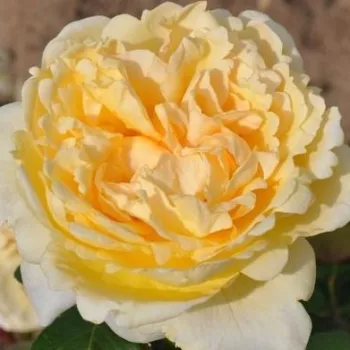
Large, solitary hybrid tea blooms with rosette form and more than 40 petals; very full and exhibition-quality, flowering repeatedly with a generous second flush on long, straight, cutting-suitable stems. |
| Colour data and phenology |
Deep yellow to golden blooms, ARS DY, RHS 11B outer and 14B inner; colour deepens on opening, then fades to buttery cream-toned yellow, maintaining good overall colour stability as the flower ages. |
| Fragrance and aroma |
Classic rose fragrance of very strong intensity, detectable from a distance; heavily double flowers moderately attract pollinators, so the variety is primarily valued for ornamental and cut-flower use. |
| Hip characteristics |
Minimal hip set expected; where present, hips are small, spherical, around 10–14 mm in diameter, turning orange-red and of limited ornamental or wildlife value in most garden settings. |
| Resistance and winter hardiness |
Hardy to approximately −21 to −18 °C (RHS H7, USDA 6b, Swedish Zone 3); disease resistance moderate to powdery mildew and black spot, resistant to rust, with good heat tolerance but only moderate drought resilience. |
| Horticultural recommendations |
Best in sunny positions with well-drained soil; plant at 35–65 cm spacing depending on use. Suited to beds, hedging, containers and cutting, requiring moderate care and occasional plant protection as needed. |
Bella di Todi® (BARbetod) offers rich golden blooms, strong fragrance and a compact, long-lived own-root habit that rewards patient establishment, making it a considered choice for relaxed, elegant coastal-inspired gardens.