BARKAROLE® – dark red tea-hybrid rose - Evers
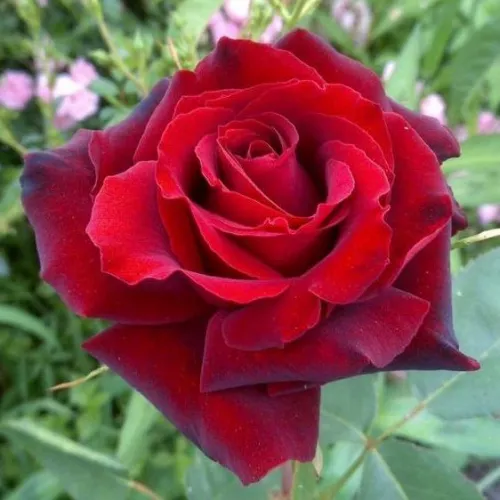
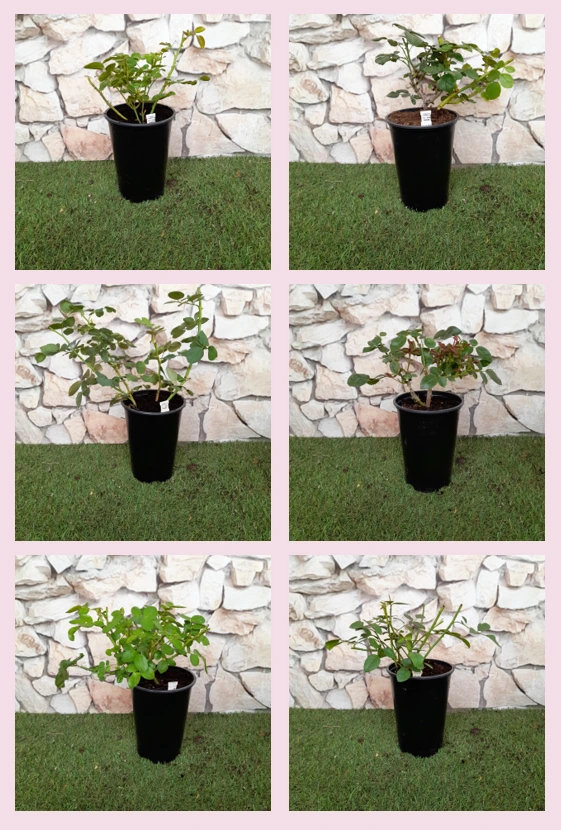
Imagine late-afternoon tea on a sheltered coastal veranda, sea breeze in the air and deep red blooms glowing against shingle and slate. BARKAROLE® is an upright, medium-height hybrid tea rose whose velvety flowers lend a romantic, boat-song atmosphere to compact family gardens, offering a refreshingly simple way to enjoy classic roses. Its own-root form settles in steadily – roots in year one, building top growth in year two, then rich ornamental presence by year three – giving you long-term, low-fuss stability and easy regeneration after pruning or harsh weather. In a well-drained bed that copes calmly with frequent coastal wind and rain while avoiding standing water, it produces long-stemmed, dark red blooms suited to cutting, yet remains manageable in size for terraces and smaller plots. Give it a sunny, lightly sheltered spot and regular watering in dry spells, and it will reward you with season-spanning flowering, glossy foliage and a gently romantic focal point that does not demand complicated gardening skills.
Usage options
| Target area | Reasoning |
|---|
| Coastal shingle or gravel bed near a veranda |
The upright habit and moderate height suit exposed but human-scale coastal plots, where the glossy foliage and dark blooms give structure without overwhelming small gardens. Good drainage in gravel helps roots establish securely in breezy, salt-laced air, supporting those who want resilient structure with minimal fuss for the coastal homeowner. |
| Feature rose in a compact front garden bed |
As a solitary specimen at about 100–140 cm, this rose becomes a restrained yet striking focal point beside a path or doorway. The own-root form supports a long lifespan, so the plant can mature gracefully without frequent replacement, suiting those planning a lasting layout rather than short-term bedding for the busy householder. |
| Mixed perennial border with a “girly” coastal theme |
The velvety, dark red flowers contrast beautifully with silvery foliage and airy grasses, echoing deep sunsets over the sea. Pair with sea kale, Festuca or soft pink perennials for a shingle-inspired, feminine look using a single, reliably upright rose that slots easily into an informal planting scheme for the style-conscious gardener. |
| Cutting corner for home-cut bouquets |
Large, goblet-shaped, very double blooms on long stems make it ideal for home arrangements. Regular cutting encourages fresh flowers through the season, giving you romantic, dark red roses indoors without needing a specialist cutting garden, appealing to those who like to decorate the house from the garden for the home florist. |
| Low, formal line or informal screen by a seating area |
Planted at 40–50 cm spacing, the upright habit creates a loose hedge that filters wind and frames a terrace or bench. Over time, the own-root plants form a solid, regenerating line of stems, offering a calm, season-long backdrop with less replanting or reshaping for the relaxed host. |
| Container on a sheltered coastal terrace or balcony |
In a 40–50 litre container with free-draining compost, this rose anchors the space with classic form while staying manageable in height. Regular watering in dry spells keeps it flowering, yet its moderate maintenance needs make it suitable for those who want reliable impact from just one or two key pots for the time-poor beginner. |
| Family garden “quiet corner” or reading spot |
The mild, discreet fragrance and deep, even colour contribute to a tranquil mood rather than a brash display. Once settled, the season-spanning flowering provides continuity, supporting a calm, contemplative nook where change is gentle and predictable for the peace-seeking reader. |
| Traditional rose bed with modern reliability |
As a recommended ADR hybrid tea, this variety offers tested performance with good black spot resistance and dependable repeat flowering. Combined with own-root vigour, it delivers a classic dark red rose bed that ages well and copes calmly with regular British rain and wind for the quality-focused enthusiast. |
Styling ideas
- Harbour-Evening Border – Combine BARKAROLE® with sea kale, Festuca and pale Achillea for a moody, sunset palette that thrives in breezy, well-drained coastal beds – ideal for coastal-style lovers wanting a romantic focal rose.
- Veranda Tea Corner – Place one plant in a 40–50 litre pot beside outdoor chairs, underplanted with low lavender for scent, creating an easy-care, upright screen for sheltered tea breaks – perfect for busy veranda owners.
- Classic Cut-Flower Row – Line a sunny fence with evenly spaced plants, keeping the front edge low with silver grasses so you can harvest long-stemmed blooms all summer – suited to home florists who enjoy arranging their own roses.
- Girly Shingle Patch – Set the dark red blooms against pale gravel with foxgloves and soft pink perennials, using the rose as a steady vertical anchor – appealing to beginners seeking a feminine yet simple coastal look.
- Quiet Reading Nook – Flank a bench with two or three plants amid dark green shrubs and blue-toned grasses so the discreet fragrance and stable structure frame a restful space – for homeowners wanting calm, low-drama planting.
Technical cultivar profile
| Parameter | Data |
|---|
| Name and registration |
Hybrid tea rose registered as TANelorak, traded as Barkarole® Hybrid tea rose TANelorak; also exhibited as Taboo™ in ARS shows, in the hybrid tea group. |
| Origin and breeding |
Bred by Hans Jürgen Evers at Rosen Tantau, Germany, from unnamed seedlings; bred 1987, registered and introduced in 1988, with Rosen Tantau as initial distributor. |
| Awards and recognition |
Holds an ADR recommendation as a hybrid tea rose and received an “Edelrose” rating in German trials; also entered in the 1988 Monza rose competition, underlining its ornamental value. |
| Growth and structural characteristics |
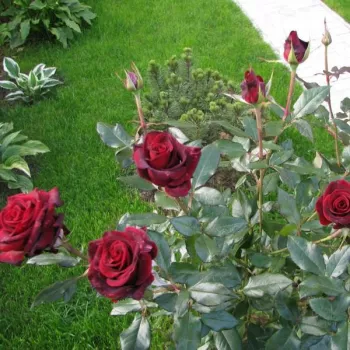
Upright habit, around 100–140 cm tall and 50–70 cm wide, with dense, glossy dark green foliage and moderate thorns; spent blooms persist and usually need deadheading to maintain a tidy appearance. |
| Flower morphology |
Very double, cup to goblet-shaped solitary flowers with more than 40 petals, typically large in size; remontant, offering a good second flush when properly deadheaded and nourished through the season. |
| Colour data and phenology |
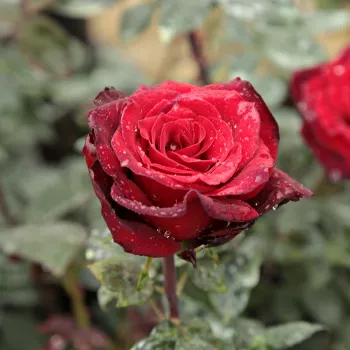
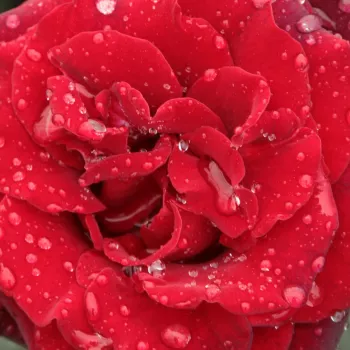
Deep velvety dark red with slightly blackish tones, buds almost black-red and glossy; colour holds well, fading moderately in strong sun to a more matte, paler red centre as blooms age. |
| Fragrance and aroma |
Displays a mild, discreet fragrance with a delicate classic rose character; primarily grown for visual impact rather than strong scent, but adds a gentle aromatic layer in seating areas. |
| Hip characteristics |
Rose hips are sparse due to the very double flowers; where formed, they are small, 10–14 mm, ovoid and orange-red, with limited ornamental impact and usually overshadowed by repeat flowering. |
| Resistance and winter hardiness |
Hardy to about −21 to −18 °C (RHS H7, USDA 6b, Swedish Zone 3); moderate disease resistance with good black spot resistance but some susceptibility to powdery mildew and rust in less-than-ideal conditions. |
| Horticultural recommendations |
Best in sunny, well-drained soil; water during prolonged dry spells and deadhead for repeat flowering. Space 40–90 cm depending on use, at 4–4.6 plants/m² for mass plantings in family gardens and small projects. |
BARKAROLE® – dark red tea-hybrid rose - Evers offers season-long, velvety flowers on an upright, compact plant with ADR-backed reliability, and its own-root form supports long-term, regenerating structure in family gardens, making it a thoughtful choice for your coastal-inspired space.