BEL ANGE® – pink hybrid tea rose – Lens
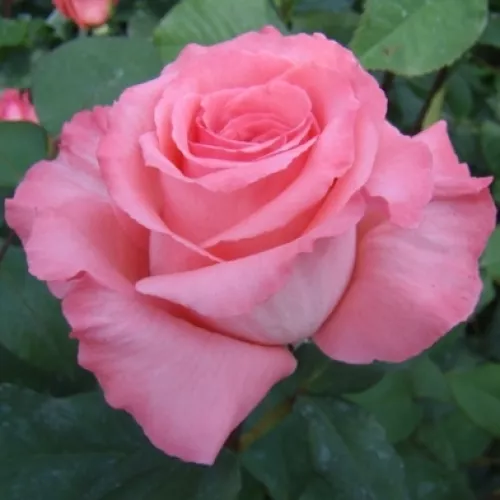
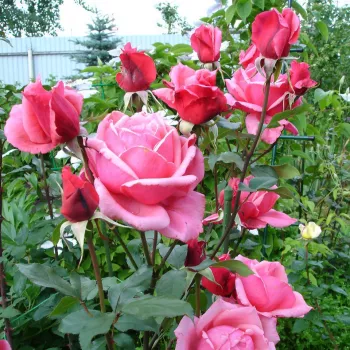
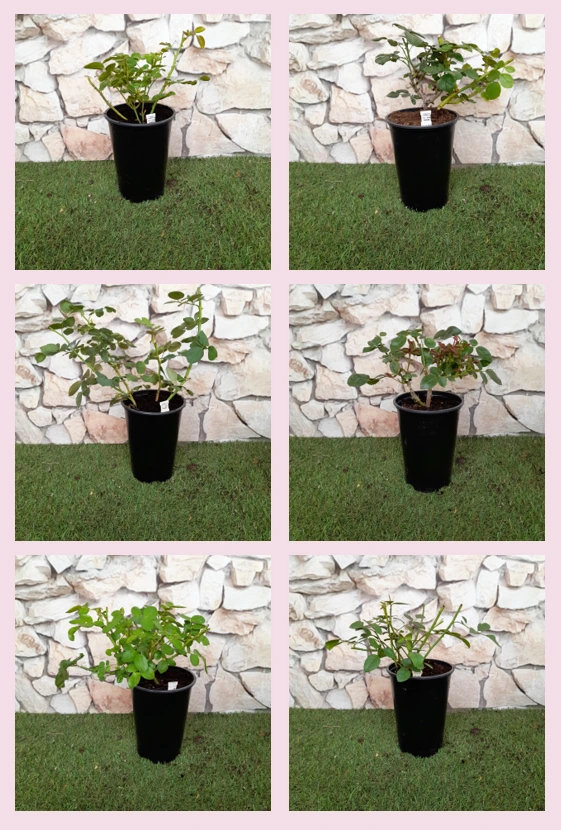
The BEL ANGE® hybrid tea brings a quietly luxurious note to compact, coastal‑inspired gardens, combining classic, high‑centred blooms with practical reliability. Its medium height, upright habit and moderate spread make it easy to place in family borders or a generous container, settling well even where gardens are exposed to brisk sea breezes and need dependable anchoring in sometimes heavy ground. In its own‑root form it matures steadily into a long‑lived shrub that shrugs off the odd hard winter, regenerates cleanly from the base and keeps its ornamental value without demanding expert care. Over time you will notice the natural rhythm: first year roots quietly establishing, second year shoots filling out, and by the third season the rose showing its full character of deep pink flowers with a gentle tea fragrance, rewarding relaxed, low‑fuss coastal‑style gardens.
Usage options
| Target area | Reasoning |
|---|
| Small coastal veranda container (40–50 litre) |
A large, well‑drained pot allows BEL ANGE® to root deeply and stay stable in breezy conditions, while its upright, medium height makes it easy to enjoy from a chair or through patio doors without overwhelming a compact space – a practical choice for the coastal‑style beginner gardener. |
| Feature rose near seating for tea and reading |
The classic hybrid tea form, with pointed buds opening to refined, double blooms, creates a quietly elegant focal point beside a bench or bistro set, while the mild tea scent remains pleasant and unobtrusive during everyday use – ideal for a relaxed home owner. |
| Cutting patch in a family border |
Regular remontant flowering and long, straight stems make BEL ANGE® well suited to providing armfuls of shapely cut flowers through the season, while its own‑root habit lets you prune confidently without compromising long‑term framework – perfect for the practical flower lover. |
| Mixed border with sea kale and ornamental grasses |
The deep pink, salmon‑tinted blooms stand out beautifully against silvery sea kale and fine‑textured grasses such as Festuca, giving a soft, seaside palette that feels harmonious rather than showy, and remains effective even when maintenance time is limited – helpful for the busy garden planner. |
| Salt‑tolerant front garden by the pavement |
Once established, the own‑root structure and upright framework cope reliably with urban and coastal exposure, so the plant remains presentable even when occasional salt spray or wind ruffles the blooms, supporting a smart frontage with modest care from the time‑pressed property holder. |
| Rope‑edged path or shingle strip |
Planted at the recommended spacing, BEL ANGE® forms a rhythm of evenly sized shrubs that guide the eye along a path, while its moderately dense, matt dark foliage offers structure even between flushes of bloom, giving year‑round shape for the casual weekend gardener. |
| Specimen rose in a lawn island bed |
The upright habit and defined outline help BEL ANGE® read clearly as a single specimen viewed from all sides, while the colour fades gently rather than jarringly, so the plant always looks composed at a distance – reassuring for the style‑conscious garden owner. |
| Sheltered, sunny corner against a fence |
In a warm, protected position the remontant flowering is at its best; good planting depth and drainage allow it to settle securely even where soil tends to be heavy and wet in winter, supporting reliable performance in typical British family plots for the novice coastal‑inspired garden designer. |
Styling ideas
- Seaside‑Veranda Calm – Position BEL ANGE® in a 50‑litre tub with sea kale and blue Festuca on a sheltered decking, echoing Cornish shingle tones – for coastal‑style balcony and veranda users.
- Pink‑Tea Corner – Place a single plant near a bistro set, underplanted with low lavender, to enjoy its classic buds and gentle scent during afternoon tea – for home workers and readers.
- Cut‑Flower Strip – Run a short row along a sunny fence, spacing plants for easy access so you can pick shapely stems without spoiling the display – for hobby florists and allotment sharers.
- Shingle‑Border Rhythm – Dot plants through a pale shingle bed with sea thrift and sweet alyssum, letting the dark foliage and pink blooms rise cleanly from the stones – for low‑maintenance front gardens.
- Lawn‑Island Focus – Give a single BEL ANGE® the centre of a small circular bed, ringed with low Festuca and thyme to keep mowing straightforward – for time‑poor family gardeners.
Technical cultivar profile
| Parameter | Data |
|---|
| Name and registration |
BEL ANGE® is a hybrid tea rose from Lens, marketed as a pink exhibition and garden rose; ARS exhibition name Bel Ange, hybrid tea commercial group, premium silver quality grade. |
| Origin and breeding |
Bred by Louis Lens in Belgium, 1962, from complex hybrid tea parentage: (Independence × Papillon Rose) × (Charlotte Armstrong × Floradora); introduced by Lens Roses in 1965. |
| Awards and recognition |
Recognised in European trials, including a Gold Medal at Kortrijk in 1965 and a National Rose Society Trial Ground Certificate in 1962, confirming its garden and exhibition value. |
| Growth and structural characteristics |
Upright bush to around 100–140 cm high and 40–60 cm wide, with moderately dense, matt dark green foliage and only slight prickliness; spent blooms generally need deadheading for best appearance. |
| Flower morphology |
Large, double, high‑centred blooms with 26–39 petals, classic pointed buds and mainly solitary flowers on stems suited to cutting; remontant, with a strong second flush of blooms in season. |
| Colour data and phenology |
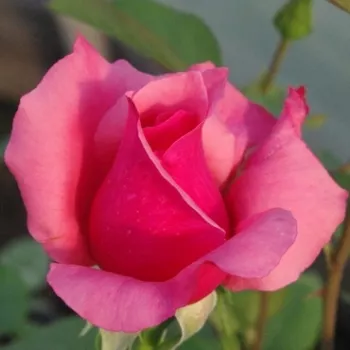
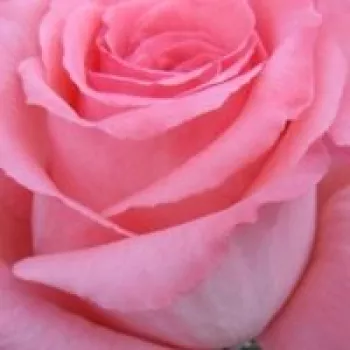
Deep pink flowers with a subtle salmon undertone, ARS code MP, RHS 57B outer and 36C inner; colour lightens as blooms open and may fade or scorch slightly in strong sun or extreme heat. |
| Fragrance and aroma |
Delicate tea fragrance of mild strength, noticeable close up but not overpowering; grown primarily as an ornamental and cutting rose rather than for pollinator support or fragrance harvesting. |
| Hip characteristics |
Occasional ellipsoidal hips, about 10–14 mm in diameter, red‑orange when ripe; ornamental interest is secondary to the decorative and cutting value of the repeated flushes of blooms. |
| Resistance and winter hardiness |
Hardy to roughly −21 to −18 °C (RHS H7, USDA 6b), with moderate resistance to black spot, mildew and rust; benefits from routine hygiene, watering in drought and some shelter from extreme heat. |
| Horticultural recommendations |
Best in full sun with good drainage; plant 40–50 cm apart for hedging, 50 cm for mass, 90 cm as specimen; suits borders, specimen planting and home cutting, with moderate maintenance needs. |
BEL ANGE® offers elegant, remontant blooms, compact upright growth and dependable hardiness on its own roots, making it a thoughtful long‑term choice for relaxed, coastal‑inspired family gardens.