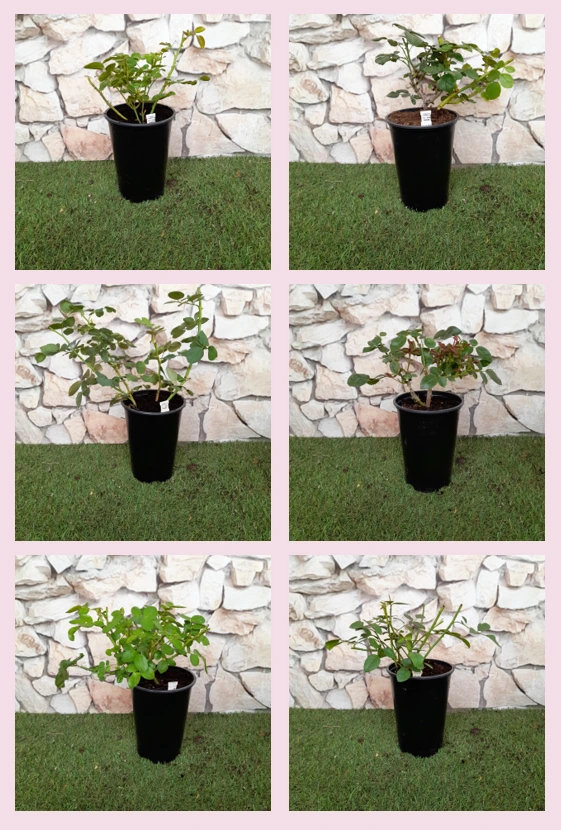
ROSA CANINA ABBOTSWOOD – pink landscape shrub rose – Fred Tustin
Inspired by the Gloucestershire estate it was named for, Rosa canina Abbotswood brings a relaxed, naturalistic coastal feel to family gardens with minimal input from you. This botanical shrub rose forms a bushy, gently arching outline that copes well with brisk sea air and helps stabilise soils where drainage and anchoring need extra care in windy, exposed plots. From early summer, its semi-wild, pale pink flowers open in generous clusters, offering a soft, shell hue and accessible stamens that draw in bees for weeks on end. The medium fragrance has the classic hedgerow sweetness of a countryside walk, while the shrub’s strong health and H6 winter hardiness keep it looking composed with very little pruning. Later in the season, the large orange-red hips provide long-lasting colour and structure, carrying the display into winter for sustained longevity in even modestly sized, low-maintenance coastal-style gardens.
Usage options
| Target area | Reasoning |
|---|
| Coastal veranda in large containers |
Well suited to big clay or terracotta pots of at least 50 litres, where its bushy habit and wind-tolerant framework create a soft green screen and summer flower display with very little pruning, ideal if you want relaxed impact on a small balcony or deck as a beginner. |
| Naturalistic hedge along a boundary |
Planted at hedge spacing, it quickly forms a dense, prickly line that defines boundaries, offers privacy and security, and still feels informal; once established, it needs only occasional thinning, suiting those who prefer a gently managed hedge as a homeowner. |
| Wild-rose-style corner in a family garden |
Used as a specimen or in loose groups, it delivers a countryside hedge-bank look with pale pink flowers, buzzing pollinators and bright hips, without intricate shaping, perfect if you want a natural feel for relaxed weekend use as a hobby-gardener. |
| Pollinator-friendly coastal planting |
The semi-double blooms with exposed stamens are particularly attractive to bees, supporting wildlife while you enjoy tea outdoors; it slots easily into shingle or herbaceous schemes, appealing if you like wildlife-friendly designs as a nature-lover. |
| Low-intervention shrub for busy gardeners |
This vigorous, disease-resistant shrub rose maintains an attractive outline with minimal pruning or spraying, making it easy to keep presentable through the seasons, especially if your gardening time is limited and you value reliability as a busy-owner. |
| Seasonal interest from summer flowers to winter hips |
After its main early-summer flush, the shrub carries large orange-red hips that stand out through autumn and winter, ensuring the planting never feels bare and keeping the garden visually engaging for those who enjoy subtle seasonal shifts as a observer. |
| Own-root rose for long-term planting schemes |
Supplied on its own roots, it knits securely into the soil over time, regenerating well from the base and maintaining a stable shape for years, a sound choice if you prefer to plant once and enjoy a maturing framework with minimal replacements as a planner. |
| Informal wind-filtering backdrop |
The bushy structure and thorny stems give a flexible, semi-open screen that slows, rather than blocks, prevailing winds, supporting other plants nearby in breezier plots where coastal gusts would otherwise dominate, valuable if you garden in exposed areas as a coast-dweller. |
Styling ideas
- Seaside-Hedgerow – combine Abbotswood with sea kale, Festuca and dwarf oregano in a gravel strip to echo Cornish lane banks – for coastal-style lovers seeking a soft, wind-combed look.
- Veranda-Refuge – plant one shrub in a 50–70 litre pot with trailing thyme and low lavender for scented privacy on a balcony – for beginners wanting an easy, calming corner.
- Wildlife-Ribbon – run a loose hedge with pockets of Gypsophila repens and native grasses to feed bees and birds across the seasons – for families interested in nature-friendly play spaces.
- Parkland-Accent – use as a free-growing specimen framed by mown grass and a simple bench to enjoy hip colour on winter walks – for homeowners who like a natural park feel at home.
- Clay-Bank-Stabiliser – dot shrubs along a sloping, heavier soil edge with California lilac for layered structure and root hold – for gardeners needing practical beauty on awkward boundaries.
Technical cultivar profile
| Parameter | Data |
|---|
| Name and registration |
Botanical shrub rose marketed as Rosa canina Abbotswood, previously listed as R. watsoniana; a landscape shrub form within the Botanical rose collection, selected for naturalistic and hedge uses. |
| Origin and breeding |
Seedling of Rosa canina crossed with an unknown parent, bred by Fred Tustin before 1954 in the United Kingdom and introduced by T. Hilling & Co for garden and landscape planting. |
| Growth and structural characteristics |
Bushy, vigorous shrub with moderately dense, slightly glossy dark green foliage and densely prickled stems; suited to hedge, specimen and looser naturalistic groupings in larger beds or boundaries. |
| Flower morphology |
Large, roughly 4 cm semi-double flowers carried in clusters, usually with 5–12 petals and accessible stamens; once-flowering in early summer, offering a single, generous seasonal display. |
| Colour data and phenology |
Pale, soft mid-pink blooms, uniform without stripes or spotting; outer petals typically RHS 65C, inner 65D, with moderate colour retention through the flowering period before petal drop. |
| Fragrance and aroma |
Moderate, pleasantly sweet perfume reminiscent of classic wild-rose hedgerows; sufficient to notice at close quarters along paths, sitting areas or when used as a flowering boundary shrub. |
| Hip characteristics |
Produces showy, egg-shaped orange-red hips around 15–20 mm in diameter; highly ornamental in autumn and into winter, extending seasonal interest well beyond the main flowering period. |
| Resistance and winter hardiness |
Generally healthy, disease-resistant shrub with few reported problems in typical UK conditions; hardy to approximately −21 to −18 °C, aligning with RHS H6 and USDA zone 6b rating. |
| Horticultural recommendations |
Best in open ground with 115–285 cm spacing depending on hedge or specimen use; low pruning need, benefiting mainly from occasional thinning, and tolerant of partial shade in many gardens. |
ROSA CANINA ABBOTSWOOD offers easy, low-pruning structure, pollinator-friendly summer flowers and long-lasting hips on a durable own-root framework, making it a thoughtful choice if you favour quietly reliable roses.