BELLE DE CRÉCY – mauve-lilac historic Gallica rose - Roëser
Capture the feeling of tea on a breezy veranda with Belle de Crécy, a historic Gallica shrub rose that brings old-world romance into compact, coastal family gardens. Its upright, slightly arching habit and moderate height make it ideal where space is at a premium, settling comfortably into shingle beds, narrow borders and sheltered terraces. Strong, long-lasting perfume and very double, rosette blooms offer a richly scented retreat, while the own-root form supports dependable regrowth and graceful ageing over many seasons. In exposed gardens, it establishes a quietly effective floral screen that stands firm against gusty, salt-laden seaside winds, so you can relax rather than constantly staking and tying. Once rooted in, its suckering habit helps build a lasting legacy planting, particularly in heavier soils given thoughtful drainage. In the first three years you will see roots settling, then shoots building, before the full ornamental effect unfolds in your garden.
Usage options
| Target area | Reasoning |
|---|
| Coastal veranda planter (minimum 40–50 litre container) |
Belle de Crécy’s compact, upright shape suits a single large container on a sunny, sheltered veranda, giving an intensely perfumed, mauve-lilac focal point for seating areas near the house, ideal for beginners. |
| Narrow front garden border in a small family plot |
The moderate height and spread make it easy to fit into slim front borders without overwhelming paths or windows, while the once-a-year flush gives a concentrated season of colour with minimal shaping required, helpful for busy homeowners. |
| Romantic specimen near a seating corner |
Strong, classic old-rose fragrance and many-petalled rosette blooms create a richly scented backdrop for afternoon tea or evening relaxation, turning even a modest seating nook into a period-style garden feature appreciated by rose lovers. |
| Informal flowering hedge in cottage-style gardens |
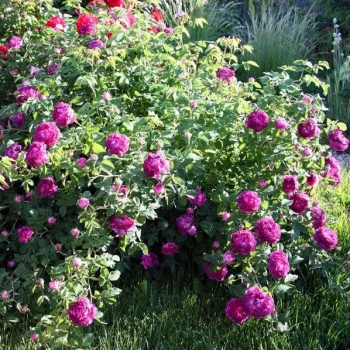
The upright yet slightly arching habit and light suckering help form a soft, traditional hedge when spaced at about 90 cm, giving a gently enclosing summer wall of mauve-lilac blossom enjoyed by country gardeners. |
| Coastal shingle or gravel bed with salt-tolerant perennials |
In a well-drained, sheltered spot, the sturdy shrub structure holds up as a floral anchor among sea kale and grasses, providing summer colour while coping reliably with blustery conditions and salty air valued by coastal gardeners. |
| Mixed historic-rose collection bed |
This classic French Gallica, bred by Roëser in the early 19th century, contributes heritage character and a notable scent profile, rewarding patient care with a once-a-year spectacle treasured by collectors. |
| Flowerbed with grasses and perennials |
The muted mauve and silvery tones blend beautifully with Echinacea, Panicum and soft ornamental grasses, creating a layered, textural border where the rose acts as a structural anchor for design-conscious gardeners. |
| Own-root long-term feature in a family garden |
As an own-root shrub, it re-sprouts faithfully from its base after hard pruning or weather damage, gradually building a durable presence that suits those planning their borders for the long term, especially new homeowners. |
Styling ideas
- Seaside-Tea Corner – Combine Belle de Crécy in a large tub with a bistro set and pale decking, using its strong scent to frame a sheltered spot for morning coffee – for coastal veranda owners.
- Historic-Shingle Drift – Plant through shingle with sea kale and blue Festuca, letting the mauve blooms rise from the stony surface for a relaxed, timeworn feel – for lovers of informal seaside gardens.
- Romantic-Hedge Walk – Line a short path with evenly spaced plants to create a scented summer corridor of rosette flowers and soft arching stems – for families wanting a charming garden route.
- Cottage-Mix Border – Thread the rose among Lupins, Echinacea and ornamental grasses so its vintage colour scheme softens stronger tones – for gardeners seeking harmonious mixed planting.
- Veranda-Scent Focus – Use a single, well-grown shrub in a 50-litre container as the main feature beside patio doors, so fragrance drifts indoors on warm days – for busy urban gardeners.
Technical cultivar profile
| Property | Data |
|---|
| Name and registration |
Belle de Crécy, also traded as Belle de Crecy; a historic Gallica shrub rose in the Historical rose group, unregistered but authenticated for premium garden use. |
| Origin and breeding |
Historic French cultivar bred by Pierre Jean Louis Roëser, with breeding dated to around 1836 and introduction recorded in 1829; parentage unknown, typical of early Gallica roses. |
| Growth and structural characteristics |
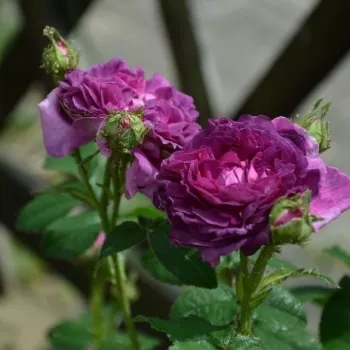
Upright to slightly arching shrub reaching about 75–125 cm in height and width, with moderate, matt grey-green foliage, a light suckering tendency and relatively sparse prickles on the stems. |
| Flower morphology |
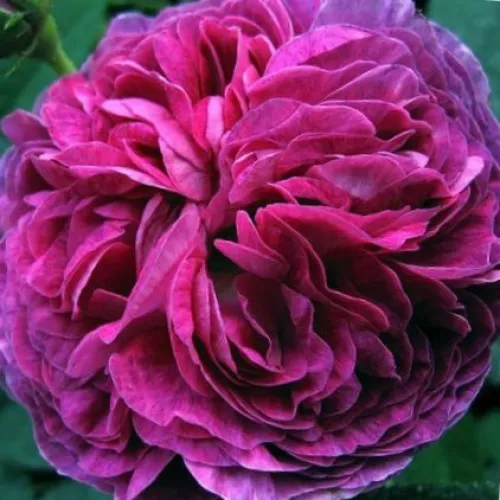
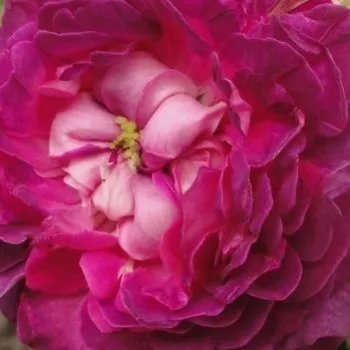
Medium-sized, very double rosette blooms with over 40 petals, borne mainly in corymbose clusters; non-remontant, producing a single, abundant main flowering in early summer under good conditions. |
| Colour data and phenology |
Flowers open deep crimson-pink, then shift through pink-purple and mauve-lilac to a soft greyed tone, sometimes with a green eye and silvery reverse; colour can fade quickly in strong sun or heavy rain. |
| Fragrance and aroma |
Strong, enduring perfume with a classic old-rose character, giving a full, nostalgic scent typical of historic Gallicas; intensity is best appreciated in still, warm air or in partially sheltered planting sites. |
| Hip characteristics |
Hip set is generally sparse because of the many petals; where formed, hips are small, globular and orange-red, around 11–18 mm in diameter, lending discreet autumn interest without heavy fruiting. |
| Resistance and winter hardiness |
Very hardy shrub tolerating down to about −32 °C (USDA 4b, RHS H7) but with moderate susceptibility to mildew and black spot and high rust sensitivity, therefore requiring regular monitoring and care. |
| Horticultural recommendations |
Prefers well-drained soil, especially on heavier clays; best in full sun or light shade, with regular irrigation in drought and attentive hygiene pruning to manage disease in typical British garden conditions. |
Belle de Crécy offers compact structure, rich fragrance and enduring own-root resilience for smaller family gardens and verandas, making it a thoughtful choice if you enjoy tending a characterful historic rose.