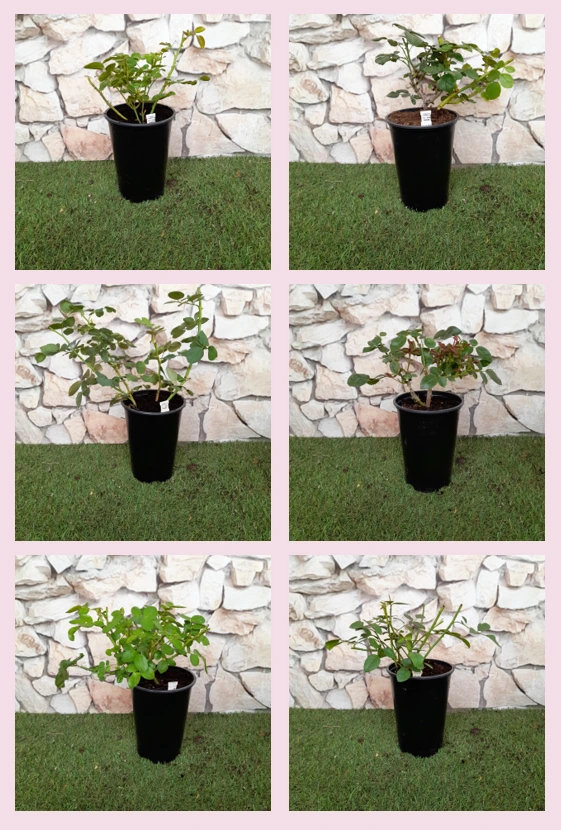
BEVERLY® – pink hybrid tea rose – Kordes
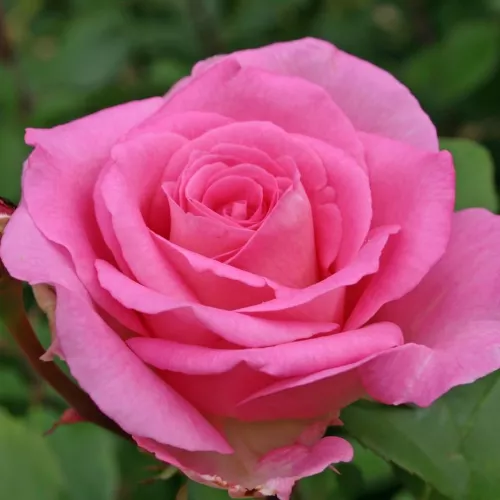
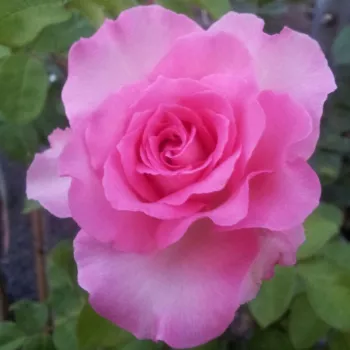
Imagine bringing a hint of Cornish seafront elegance to your own veranda, with neatly upright bushes that anchor firmly even where breezes roll in from the bay and soil needs thoughtful drainage and water management. Beverly® forms a bushy, medium‑tall shape studded with exhibition‑style, high‑centred blooms, each petal-wrapped flower opening from vivid buds to a luminous, silvery‑pink glow. Bred by Kordes and supplied as a pharmaROSA® ORIGINAL own‑root plant, it offers reassuring longevity, quietly rebuilding from its roots after stress and keeping its ornamental value year after year. The very strong, citrus‑perfumed fragrance drifts beautifully around a sheltered seating area, while repeat flowering from early summer well into autumn keeps small coastal gardens and shingle beds feeling fresh and alive.
Usage options
| Target area | Reasoning |
|---|
| Coastal veranda in a large pot |
In a 40–50 litre container, Beverly® develops a stable root system that holds well in breezy, seaside conditions while still staying compact enough for verandas. Its upright habit keeps walkways clear for relaxed use by beginners. |
| Small shingle or gravel garden |
The bushy, medium‑tall structure stands out against pale gravel, giving vertical interest without overpowering a small space, while its good heat tolerance suits warm, reflective shingle beds for time‑pressed homeowners. |
| Feature rose near a seating area |
The very strong citrus perfume is best appreciated up close, so positioning it beside a bench or outdoor table turns everyday tea breaks into a gently scented ritual, especially rewarding for hobby‑gardeners. |
| Cutting patch for home bouquets |
High‑centred, long‑stemmed blooms are ideal for vases, giving you classic hybrid tea form and a room‑filling scent without needing a large cutting garden, which appeals to flower‑lovers. |
| Own‑root long‑term planting in a border |
As an own‑root rose, the plant ages evenly and can regenerate from its base after harsh weather or pruning, providing a dependable, long‑lived presence for security‑minded gardeners. |
| Year‑on‑year development corner |
Planted once and left to settle, Beverly® typically focuses on roots in year one, builds strong framework shoots in year two, and shows its full ornamental effect from year three, suiting patient planners. |
| Mixed border with coastal perennials |
Partnered with sea‑loving companions like Festuca, sea kale or sweet alyssum, its steady remontant display threads pink through summer and autumn, complementing the naturalistic style favoured by coastal‑gardeners. |
| Wind‑aware family garden bed |
Its well‑branched, upright habit anchors reliably even where breezes roll in from the bay and soil needs careful drainage and water management, giving peace of mind to busy families. |
Styling ideas
- Coastal Veranda Duo – Plant Beverly® in a 50 litre tub with a skirt of trailing sweet alyssum for a soft, “girly” coastal look – ideal for balcony and veranda rose enthusiasts.
- Silvery Shingle Mix – Combine Beverly® with blue Festuca and sea kale in a gravel bed so the pastel pink blooms glow against cool foliage – for lovers of naturalistic, seaside‑inspired planting.
- Tea‑Table Highlight – Place a single bush close to your favourite outdoor chair, keeping the rest of the planting low so the fragrance can dominate – perfect for those who unwind with tea in the garden.
- Romantic Cut‑Flower Strip – Line a sunny fence with Beverly® at wider spacings, underplanting with windflowers for extra stems to cut – suited to home florists who value repeat, scented blooms.
- Family Front‑Garden Accent – Use one or three plants as a gently formal feature by the front path, with low lavender at the base – great for busy families wanting an elegant yet manageable welcome.
Technical cultivar profile
| Parameter | Data |
|---|
| Name and registration |
Hybrid tea rose, registered as KORpauvio, marketed as Beverly® Eleganza®; ARS exhibition name Beverly®; part of the Eleganza® collection for garden and cutting use. |
| Origin and breeding |
Bred by Wilhelm Kordes III. (W. Kordes’ Söhne, Germany); parentage ‘The McCartney Rose’ × unknown seedling; registered 2008 and introduced commercially after 2008. |
| Awards and recognition |
Winner at Biltmore International Rose Trials 2013, including Pauline Merrell Award for Best Hybrid Tea and Cornelia Vanderbilt Cecil Award for Most Fragrant Rose; Golden Rose of The Hague 2013. |
| Growth and structural characteristics |
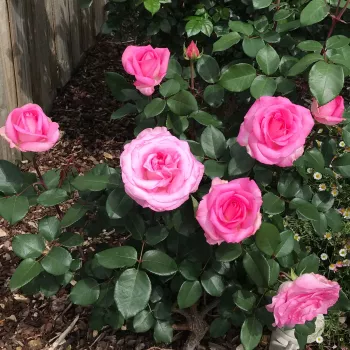
Medium‑tall, upright, bushy habit reaching around 100–140 cm high and 70–110 cm wide; moderately thorny, with dense, glossy, dark green foliage giving a full, finished shrub effect. |
| Flower morphology |
Large, very double blooms with over 40 petals; classic high‑centred, pointed‑bud hybrid tea form on mainly solitary stems; remontant with a generous repeat flush in suitable conditions. |
| Colour data and phenology |
Pure, even mid‑pink flowers without purple tones; buds deeper pink, opening to mid‑pink with paler petal reverses, then softening to pastel pink with a delicate silvery sheen as the bloom ages. |
| Fragrance and aroma |
Very strong, garden‑filling scent with a perfumed, citrus character; ideal where fragrance is a priority; densely petalled flowers limit pollen access, so it is mainly ornamental rather than wildlife‑focused. |
| Hip characteristics |
Produces only modest numbers of hips; when present they are ovoid, around 10–14 mm in diameter, coloured orange‑red, and have limited ornamental impact compared with the continuous flowering. |
| Resistance and winter hardiness |
Rated to approximately −26 to −23 °C (RHS H7, USDA 5b, Swedish zone 4); tolerates heat well with watering in drought; disease resistance is moderate to black spot, powdery mildew and rust. |
| Horticultural recommendations |
Best in a sunny site with fertile, well‑drained soil; spacing 55–100 cm depending on use; suitable for beds, specimen planting, hedging and large containers; occasional plant protection may be needed. |
Beverly® offers intensely fragrant, repeat pink blooms on a long‑lived own‑root shrub that settles reliably into borders or large containers, making it a thoughtful choice if you enjoy classic roses with minimal fuss.