KERBEROS – white-pink dwarf-mini rose - pharmaROSA®
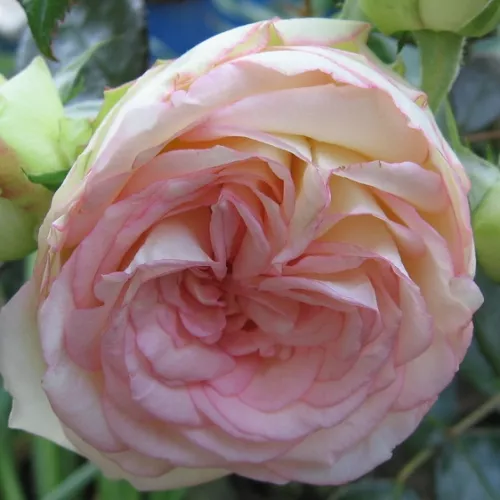
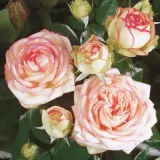
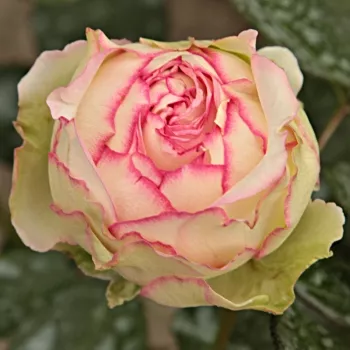
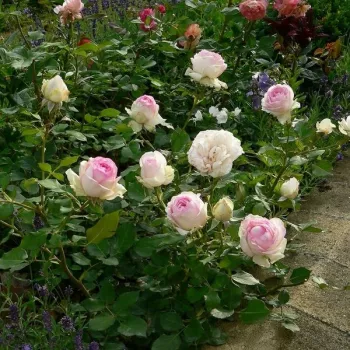
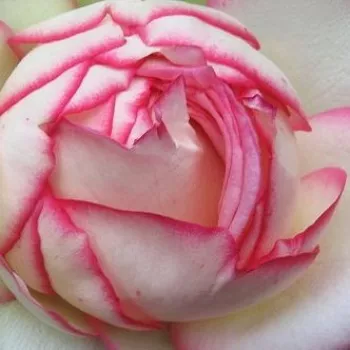
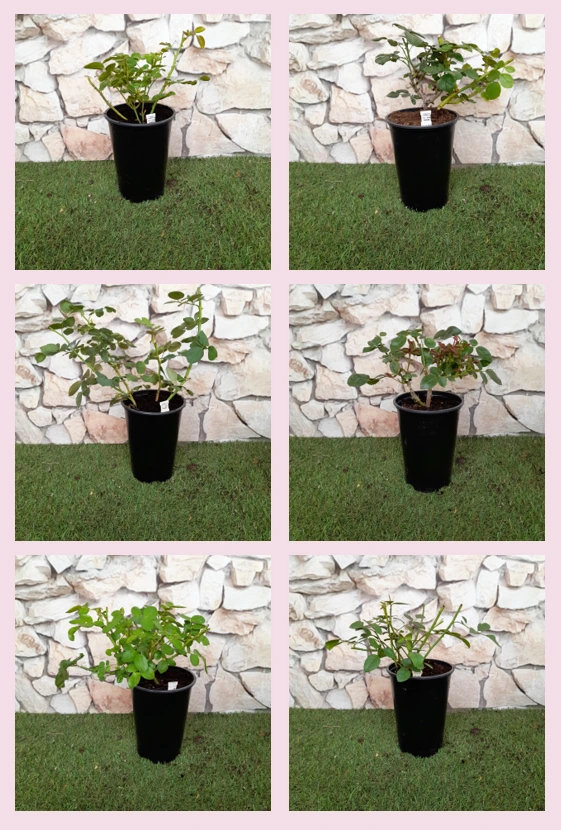
Imagine settling with afternoon tea behind a living windbreak of roses after a blustery beach walk, as KERBEROS builds a low, dense screen that shrugs off coastal gusts and frames your shingle or gravel. Its compact habit fits easily onto a veranda or balcony, thriving in a large 40–50 litre container where drainage is reliable and roots can anchor well despite exposed conditions. Large, very double, spherical blooms open in soft cream and peach with a raspberry-pink rim, keeping their character even as the tones gently soften in sun. A surprisingly strong, wine-like fragrance adds depth on warm evenings, while the own-root form promises long-term resilience, with the first year focused on roots, the second on shoots, and by the third year a settled, mature display that asks for only straightforward care in a typical family garden.
Usage options
| Target area |
Reasoning |
| Coastal veranda container (40–50 litres) |
KERBEROS stays naturally dwarf, so it is easy to manage in a generous pot where its dense foliage and clustered flowers form a neat cushion of colour. Own-root growth gives long-term stability and reduces the need for heavy pruning for coastal veranda owners. |
| Shingle or gravel front garden edging |
The compact, 30–40 cm height and 25–35 cm spread create a tidy low line along paths or driveways, ideal for coastal-style shingle schemes. Reliable remontant flowering provides recurring colour without intricate care for time-pressed householders. |
| Family terrace seating area |
The strong, wine-like scent and very double blooms work beautifully beside outdoor tables or lounge chairs, giving fragrance without overwhelming the space. Moderate maintenance and stable own-root growth suit relaxed family use and beginners. |
| Small urban courtyard or balcony garden |
Dwarf stature and dense foliage help you gain a lush rose presence in very limited footprints, whether in a single specimen pot or grouped containers. The plant’s gradual, long-lived development rewards patient, space-conscious city gardeners. |
| Low feature in mixed coastal-style planting |
KERBEROS pairs well with sea-kale-like forms, ornamental grasses and silver foliage, sitting below taller movement plants while providing colour structure. Its rounded habit anchors the planting visually for coastal-style enthusiasts. |
| Child-friendly family garden rose corner |
The miniature size keeps flowers at child eye-level, encouraging close-up enjoyment of colour and scent. Own-root sturdiness offers resilience if stems are occasionally knocked, helping maintain the display for family-focused gardeners. |
| Sheltered spot in heavy clay garden |
In gardens with heavier soils, planting KERBEROS into a raised or improved bed helps manage moisture while its dense root system gradually knits the soil, offering an easy-care, low-growing rose solution for cautious beginners. |
| Low hedge beside paths or driveways |
Recommended spacings of 25–30 cm allow you to form a short, continuous line of colour that frames routes without blocking views. The compact, repeat-flowering habit provides a refined, long-term edging solution for practical home gardeners. |
Styling ideas
- Seaside-border – line a shingle path with KERBEROS and low sea kale or Festuca for a breezy, coastal feel – ideal for coastal veranda owners wanting structure without height.
- Tea-terrace – place a pair of 50 litre pots by your seating area so blooms and fragrance frame afternoon tea – perfect for homeowners who like relaxed elegance.
- Balcony-ribbon – group three containers along a balcony edge to form a low, flowering ribbon – suited to busy urban gardeners seeking easy colour.
- Family-edge – edge a small lawn or play space with KERBEROS where children can see and smell the flowers – appealing to families wanting gentle, compact roses.
- Mini-mosaic – alternate KERBEROS with Iberis or sweet alyssum in a gravel bed for a textured, low-maintenance patchwork – good for beginners favouring simple planting patterns.
Technical cultivar profile
| Parameter |
Data |
| Name and registration |
Miniature, dwarf rose marketed as KERBEROS – white-pink dwarf-mini rose, pharmaROSA collection; trade designation within the Mini - dwarf rose group for garden and container use. |
| Origin and breeding |
Discovered in Germany in 2002, with parentage not recorded; introduced by PharmaRosa Ltd. Hungary as an own-root garden miniature, selected for compact habit and reliable flowering. |
| Growth and structural characteristics |
Dwarf, bushy plant reaching about 30–40 cm high and 25–35 cm wide, with dense mid-green, slightly glossy foliage and moderate prickles, forming a low cushion or edging line in beds. |
| Flower morphology |
Very double, pompon-like spherical blooms, usually 3–5 per stem, with over 40 petals and large miniature size around 7–10 cm diameter, providing a generous, full-petalled appearance. |
| Colour data and phenology |
Cream to ivory petals with soft peach tones and a pronounced pink rim; colours soften to buttery cream and salmon-rosy edges yet remain recognisable, with good repeat flowering through the season. |
| Fragrance and aroma |
Strong, well-scented rose with a full, wine-like character noticeable at close range, especially effective near seating; densely double form limits pollen access, so pollinator value is modest. |
| Hip characteristics |
Occasional spherical hips, around 5–7 mm across, developing orange-red tones by late season; ornamental effect is light rather than dominant, adding small autumnal interest if not deadheaded. |
| Resistance and winter hardiness |
Rated to approximately -21 to -18 °C (RHS H7, USDA 6b, Swedish zone 3); moderate disease resistance and heat tolerance, needing regular watering in dry spells and some preventive health monitoring. |
| Horticultural recommendations |
Best in sunny sites for abundant flowering; suitable for beds, edging and containers with about 25–45 cm spacing. Maintain medium care with occasional pest and disease checks and balanced feeding. |
KERBEROS Mini - dwarf rose pharmaROSA® offers compact, repeat flowering, richly scented blooms on a long-lived own-root structure, making it a thoughtful choice for easy-care coastal and family gardens.