BLACKBERRY NIP™ – purple tea-hybrid rose – Somerfield
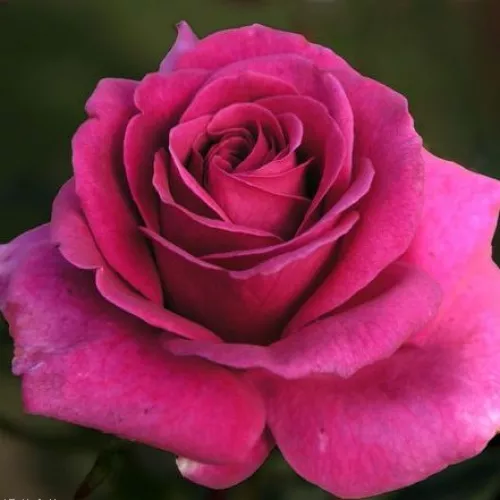
Imagine stepping onto a sun‑warmed coastal veranda and being greeted by the rich, fruity perfume of Blackberry Nip™, its velvety purple blooms catching the light like silk. This hybrid tea rose offers generous repeat flowering on a compact, bushy framework, so it fits beautifully into small family gardens and sheltered Cornish or Devon terraces. Own‑root cultivation means a naturally resilient lifespan, with the plant regenerating reliably from its base if weather or pruning are less than perfect. In the first year it quietly builds roots, in the second it extends strong new shoots, and by the third it settles into its full ornamental presence. Well suited to shingle beds and raised planters, it copes reassuringly with brisk coastal breezes and shifting weather patterns, provided you give it reasonable drainage and consistent watering. Its high‑centred, exhibition‑quality blooms make it as practical for cutting as for relaxing beside it with tea after a day collecting seashells.
Usage options
| Target area | Reasoning |
|---|
| Coastal veranda container (40–60 litre pot) |
The compact, bushy habit and strong, upright stems make this rose easy to manage in a substantial container, giving height and structure without overwhelming tight spaces. It is ideal for a sheltered Cornish or Devon veranda where you want colour, scent and a simple watering routine rather than complex pruning, particularly for the busy veranda owner. |
| Small shingle or gravel bed near seating |
Its velvety, dark plum‑purple flowers glow against pale shingle, creating a striking focal point beside garden chairs or a bench. Paired with silver grasses or sea kale, it offers a relaxed coastal mood while remaining straightforward to look after, especially appealing to those seeking a pretty, “girly” seaside feel with minimal fuss for the casual gardener. |
| Cut‑flower patch by the back door |
The high‑centred, hybrid‑tea blooms are bred for the vase, with long, straight stems and substantial flowers that hold their form indoors. Regular picking encourages further buds, so you enjoy both garden display and arrangements on the table, making it a practical dual‑purpose choice for home floristry enthusiasts. |
| Perfumed path edge or gateway |
The very strong, sweet‑spicy fragrance carries beautifully along a garden path or beside a gate, where even a single plant can perfume the air. Planted where you frequently pass, it turns everyday comings and goings into a small sensory ritual, which particularly suits fragrance lovers who want maximum scent from limited space. |
| Feature rose in a mixed coastal border |
Its dense, grey‑green foliage and bushy outline anchor lighter planting of sea holly, Festuca and low lavender, giving the border a solid backbone that stands up to coastal breezes and variable weather through the season. This makes it a reassuring structural choice for homeowners designing a low‑maintenance, seaside‑inspired family border. |
| Low‑maintenance family rose corner |
Good self‑cleaning means many spent blooms drop on their own, reducing deadheading and keeping the plant tidy between weekend visits to the garden. With moderate care needs and own‑root resilience, it suits households wanting flowers and fragrance without feeling tied to constant maintenance, ideal for time‑pressed family gardeners. |
| Long‑season focal point by a terrace |
Generous repeat flowering brings wave after wave of colour from early summer onwards, so a single plant can carry the visual interest of a sitting area for much of the season. This extended performance is especially valuable where space is tight and every shrub must earn its place, well suited to urban and small‑garden rose appreciators. |
| Robust long‑term planting in a windy spot |
The bushy growth, dense foliage and own‑root strength help it establish a solid framework that copes well with brisk coastal air while remaining reliable year after year. Once settled, it provides stable ornamental value with modest input, reassuring for gardeners wanting a durable, anchor rose in exposed yet domestic settings. |
Styling ideas
- Veranda-Nook – Place one plant in a 50–60 litre clay pot with fine gravel mulch and a low bistro set, creating a scented corner for afternoon tea – perfect for balcony or veranda owners who want easy elegance.
- Shingle-Garden – Combine with sea kale, Festuca and pale pebbles so the dark blooms pop against cool tones and textures – ideal for fans of relaxed, seaside‑inspired planting with minimal upkeep.
- Romantic-Cuttings – Group two or three plants in a sunny strip to harvest long‑stemmed blooms for the house while still enjoying a show outdoors – suited to home florists who like arranging their own garden roses.
- Fragrant-Gateway – Flank a path or gate with a pair underplanted with low Calamintha for a scented, humming entrance, even in partial shade – appealing to fragrance‑first gardeners who value atmosphere.
- Family-Focus – Use as the main feature near a terrace, with easy herbs and low grasses around, so children and adults alike can enjoy months of colour – perfect for busy families seeking one reliable “showpiece” rose.
Technical cultivar profile
| Parameter | Data |
|---|
| Name and registration |
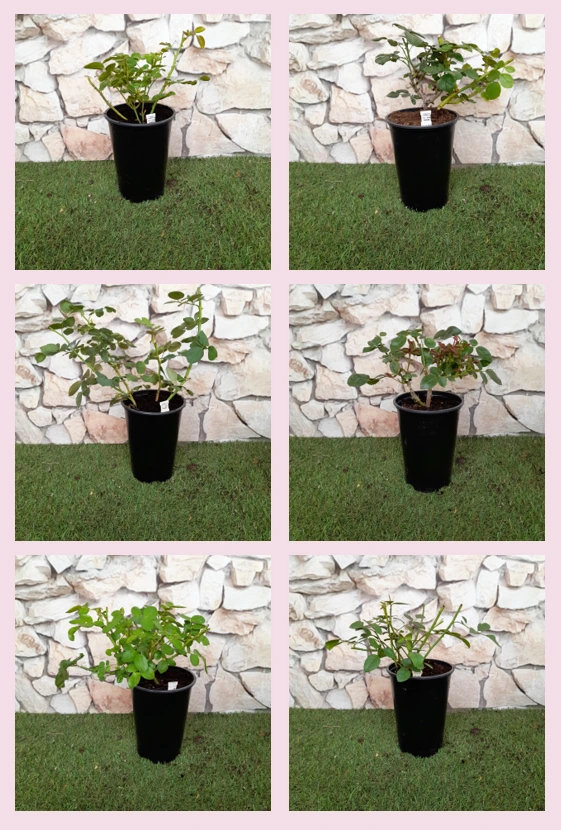
BLACKBERRY NIP™ hybrid tea rose, exhibition‑quality blooms; ARS exhibition name Blackberry Nip; belongs to the Hybrid Tea group and marketed as a premium silver vivianaROSE® ORIGINAL potted plant. |
| Origin and breeding |
Bred by Rob Somerfield of Glenavon Roses Ltd, Tauranga, New Zealand; introduced and registered in 1996, with parentage not publicly disclosed; supplied here as an authenticated, own‑root garden form. |
| Awards and recognition |
Silver Star of the South Pacific and Certificate of Merit at Palmerston North International Rose Trial Garden in 1998; Auckland Rose of the Year and a major fragrance award in 1999, confirming ornamental and scent quality. |
| Growth and structural characteristics |
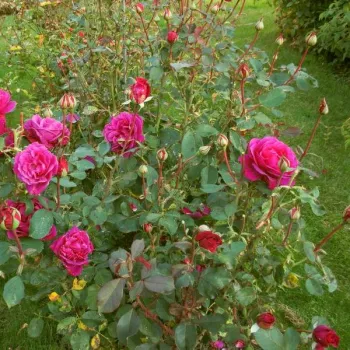
Bushy, upright shrub to around 100–140 cm high and 85–115 cm wide, with dense, slightly glossy grey‑green foliage and plentiful prickles; forms a solid, medium‑sized framework suitable for borders, hedging and containers. |
| Flower morphology |
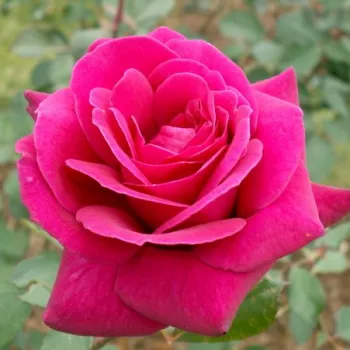
Large, very double, high‑centred hybrid tea blooms with 40+ petals on mostly solitary stems; classic pointed buds open slowly, providing exhibition‑style flowers useful both as garden focal points and for cutting. |
| Colour data and phenology |
Deep plum‑purple with magenta tones; ARS colour M, RHS 79A outer and 71B inner; buds nearly blackcurrant‑purple, later softening to violet‑pink with a silvery edge; colour fade more pronounced in strong sun. |
| Fragrance and aroma |
Very strong, long‑lasting perfume with a sweetly spicy character reminiscent of rich fruit liqueur; flowers are primarily ornamental rather than pollinator plants, as the fully double form conceals most stamens. |
| Hip characteristics |
Rarely sets hips; when present, they are small, about 4–6 mm across, spherical, and red, adding only slight seasonal interest, so the plant is chosen chiefly for its repeat flowers and fragrance. |
| Resistance and winter hardiness |
Hardy to approximately −21 to −18 °C (RHS H7, USDA 6b, Swedish zone 3); moderate resistance to black spot, mildew and rust; appreciates regular watering in prolonged dry spells and basic preventive care. |
| Horticultural recommendations |
Suited to borders, specimen use and cutting; plant 60–110 cm apart depending on effect; prefers well‑drained soil with consistent moisture, in sun or light shade, plus occasional pest and disease checks. |
BLACKBERRY NIP™ offers rich fragrance, repeat purple blooms and a compact, long‑lived own‑root habit, making it a thoughtful choice if you would like a reliable, characterful rose for everyday garden enjoyment.