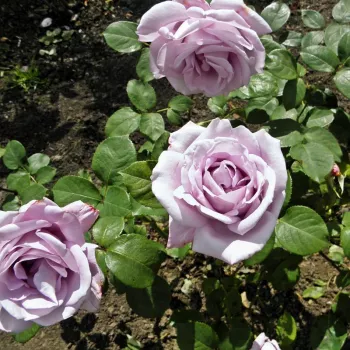
BLUE GIRL – lavender-lilac hybrid tea rose - Kordes
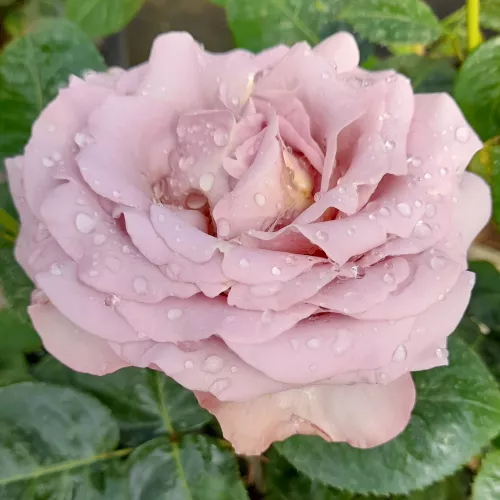
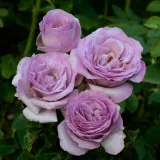
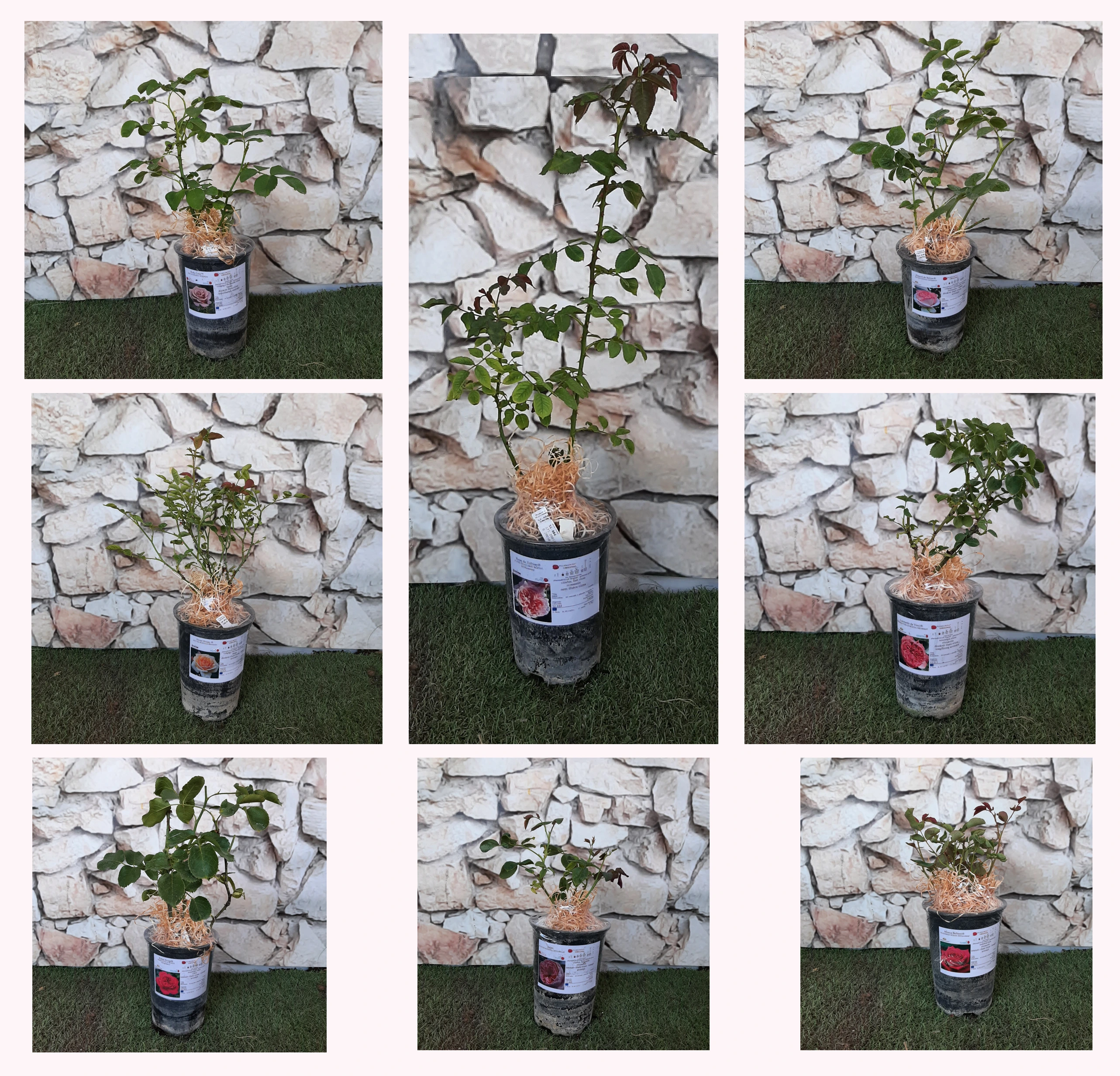
With its cool lavender-lilac blooms and strong, lingering scent, BLUE GIRL brings a sense of seaside refreshment to compact beds, shingle borders and verandas exposed to coastal breezes yet buffered from harsher winds and salt. Large, high-centred flowers open on upright, bushy growth that stays neatly in scale for the average family garden, ideal where you want a single, striking feature rather than sprawling shrubs. As an own-root rose it offers dependable longevity, quietly rebuilding shoots from its base after winter or pruning to preserve its ornamental value over many seasons. Planted once with good drainage and regular summer watering, it rewards you with abundant blooms for cutting and for enjoying on the patio, without complicated rose-show routines. In its first year it concentrates on roots, then extends stronger shoots in year two, reaching its full display and settled character by around year three.
Usage options
| Target area | Reasoning |
|---|
| Small coastal front garden bed |
Compact, upright growth and medium height fit neatly into narrow front borders, while its lavender-lilac blooms echo sea tones without overwhelming the space; a practical choice for busy homeowners and beginners. |
| Wind-sheltered coastal veranda container |
Performs well in a large 40–50 litre pot on a sheltered veranda where you can easily water it in dry spells and enjoy the fragrance at nose height, suiting style-conscious coastal homeowners. |
| Cut-flower corner near the patio |
High-centred, exhibition-style blooms on long stems were bred for cutting, so a small group by the patio can supply vases through the season, ideal for those who like simple home floristry and hobbyists. |
| Feature rose among gravel or shingle |
Its cool, silvery lavender tones sit beautifully above pale gravel, and a single specimen is easy to weed and water, echoing a relaxed coastal feel for design-led yet time-poor garden owners. |
| Mixed border with low grasses |
Works well with compact grasses like Festuca or Panicum, which hide the base and help with drainage around heavier soils, creating a soft movement suitable for low-fuss family garden layouts. |
| Clay-based garden with improved drainage |
Once planted into clay that has been loosened and amended for drainage, its own-root system anchors steadily and copes well with typical UK weather, reassuring cautious first-time rose planters. |
| Long-term specimen in a family garden |
The own-root form supports a long-lived bush that can regenerate from the base if damaged, keeping its colour and shape over many years, attractive for those planning durable family garden plantings. |
| Lightly structured rose bed near seating |
Medium maintenance with good disease resistance and strong fragrance makes it pleasant to live beside without constant fuss, particularly in a sheltered, sunny spot for fragrance-loving garden visitors. |
Styling ideas
- Shingle-Romantic – Plant BLUE GIRL in a pale gravel strip with sea kale and Festuca to evoke a soft beach walk mood – ideal for coastal-style lovers wanting low visual clutter.
- Veranda-Boudoir – One rose in a 40–50 litre container beside a bistro table, underplanted with trailing lavender, brings scented privacy – perfect for small veranda owners who relax with afternoon tea.
- Pastel-Showpiece – Group three plants with white and blush roses for a gentle exhibition-style cutting bed – suited to hobby florists who like preparing simple home arrangements.
- Grassy-Haze – Thread plants through airy Panicum and blue Festuca for movement and contrast around a seating area – good for families seeking a soft-focus, easy-care backdrop.
- Lilac-Companion – Combine with Syringa ‘Dark Purple’ and Hypericum for a layered, long-season feature hedge – appealing to homeowners planning a lasting, structured front garden.
Technical cultivar profile
| Parameter | Data |
|---|
| Name and registration |
Hybrid Tea group rose, registered as KORgi, marketed as BLUE GIRL hybrid tea rose KORgi; also known in exhibitions as Kölner Karneval, with verified cultivar authenticity. |
| Origin and breeding |
Bred by Reimer Kordes, W. Kordes’ Söhne, Germany, from ‘Magenta’ × ‘Sterling Silver’; introduced and registered in 1964 via Kordes and Star Roses in European and US markets. |
| Awards and recognition |
Recognised with a Rome Gold Medal in 1964, reflecting its combination of distinctive lavender colouring, high-centred flower form, and reliable garden performance for its rose class. |
| Growth and structural characteristics |
Upright, bushy hybrid tea reaching about 110–150 cm high with a 75–105 cm spread; moderately dense, matt, mid-green foliage and sparse prickles, forming a well-shaped, manageable bush. |
| Flower morphology |
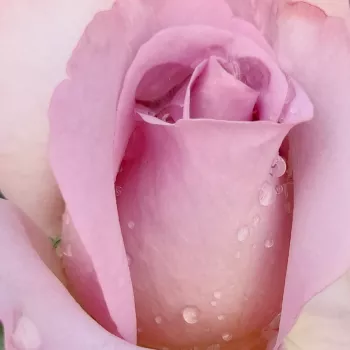
Large, double, high-centred blooms with 26–39 petals, solitary on stems; classic pointed-bud, cut-rose type form with remontant habit and a generous second flush in suitable conditions. |
| Colour data and phenology |
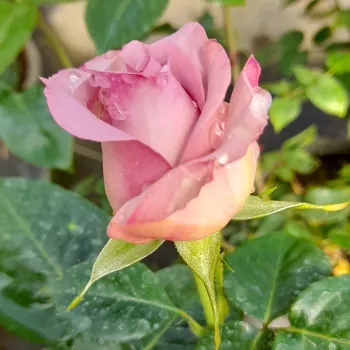
Lavender-lilac with a subtle bluish tone; colour richest in cooler spells and paling in heat; petals shift from silvery-lilac buds to pastel lavender-pink and finally dusky rose-grey as blooms age. |
| Fragrance and aroma |
Strong, sweet, perfumed fragrance that lingers well on the plant and in the vase; primarily ornamental with double blooms that limit pollinator access, prioritising scent and visual effect. |
| Hip characteristics |
Occasional small, ovoid hips, about 12–18 mm, in orange-red tones; hips are not a dominant ornamental feature but may add light seasonal interest if spent flowers are not all removed. |
| Resistance and winter hardiness |
Hardy to around −21 to −18 °C (RHS H7, USDA 6b); medium overall disease resistance, notably good against black spot and powdery mildew, with moderate rust susceptibility in damp seasons. |
| Horticultural recommendations |
Best in full sun with regular watering and fertile, well-drained soil; deadhead to offset weak self-cleaning and prune annually; suits beds, specimens, containers and cutting, with medium care needs. |
BLUE GIRL – lavender-lilac hybrid tea rose - Kordes offers strong fragrance, compact feature-plant presence and long-lived own-root reliability; consider it as a graceful, enduring accent for your garden.