ROSA FOETIDA BICOLOR – orange landscape shrub rose
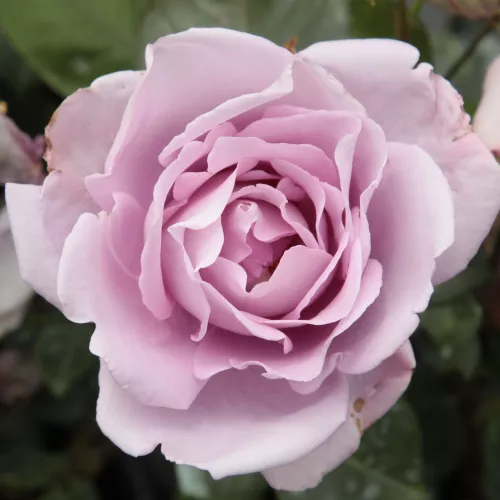
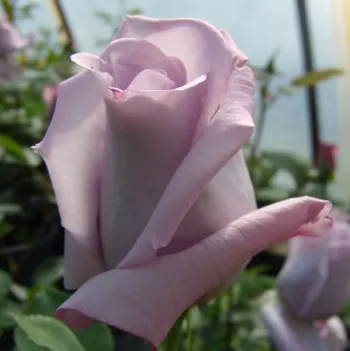
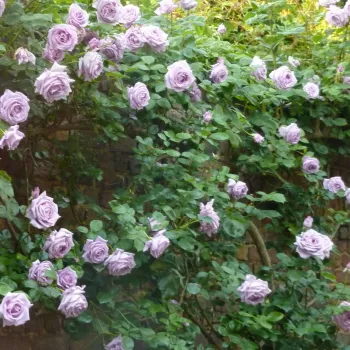
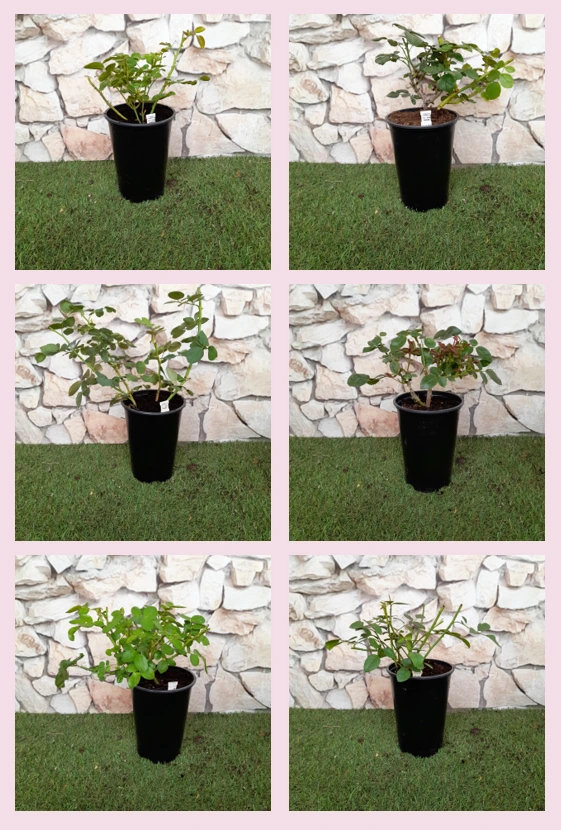
Imagine a sheltered coastal corner where you can pause with afternoon tea, the sea breeze gently moving through a hardy rose that shrugs off blustery days and thrives with minimal fuss; our own-root Rosa foetida bicolor is grown in a practical 2‑litre container, ready to establish steadily as it settles into your family garden and anchors itself confidently even where exposed beds need reliable stability, its once‑a‑year midsummer show of large, single, two‑toned blooms creating a vivid spectacle of copper‑red and yellow that lights up shingle or clay with equal assurance, while the strong sweet‑spicy fragrance drifts across your seating area, the open flower form welcoming bees and other pollinators for added garden vitality, then self‑cleaning neatly into ornamental autumn hips that lend seasonal structure and wildlife interest, all on a tough, bushy shrub bred for long life, with own‑root planting giving you a dependable partner that builds roots in the first year, pushes confident new shoots in the second, and reaches full ornamental presence by the third for lasting coastal‑style character and relaxed everyday pleasure.
Usage options
| Target area |
Reasoning |
| Feature shrub by a veranda or seating area |
Used as a specimen, this shrub delivers a dramatic once‑a‑year flush of fiery orange‑red, bicoloured blooms and a strong sweet‑spicy scent that drifts towards your chairs, giving you a striking yet low‑effort focal point for relaxed evening use for beginners. |
| Coastal wind‑filtered screen or informal hedge |
The bushy, upright habit and dense prickles form a living barrier that softens wind and gently frames shingle or coastal planting, remaining tough and functional where weather can be harsh, while still looking decorative for coastal‑gardeners. |
| Low‑maintenance pollinator strip in family gardens |
Single, open flowers with prominent yellow stamens are easy for bees to access, providing a nectar‑rich stopover that fits naturally into wildlife‑friendly borders without demanding complex care from nature‑lovers. |
| Sunny, water‑wise planting on lighter soils |
Once established, this shrub tolerates heat and short dry spells, coping well with less frequent watering in sunny front gardens, especially where you prefer resilient, unfussy plants that continue to perform for busy‑owners. |
| Mixed border with year‑round structure |
The upright, branching framework and moderately dense foliage give a reliable outline through the seasons, with autumn hips extending interest after flowering, supporting small birds and tying together surrounding perennials for family‑gardeners. |
| Coastal clay beds with improved drainage |
In many British coastal plots, heavier soils and breezy sites are common; where drainage is improved, this rose settles into such conditions and stands steadily in exposed positions, coping well with regular wind and rain for UK‑homeowners. |
| Large containers on sheltered balconies or verandas |
Planted in a minimum 40–50 litre container with good drainage, this own‑root shrub rose forms a stable, long‑lived feature that can be moved or re‑positioned as your outdoor space evolves, keeping impact high and upkeep modest for balcony‑owners. |
| Traditional rose and cottage‑style schemes |
An historic variety with vivid bicolour flowers and a rich, classic scent, it complements cottage‑style partners such as sea kale, Festuca or lavender, bringing a touch of heritage and romance without demanding expert pruning from hobby‑gardeners. |
Styling ideas
- Seaside‑Teatime Nook – Place one shrub near a bistro set on a sheltered deck, underplant with sea kale and low Festuca for a soft, dune‑like feel – ideal for coastal‑style veranda owners.
- Wildlife Ribbon – Run a loose row along a fence, interplanted with Calamintha and panicled phlox to extend nectar beyond the rose’s main flush – perfect for bee‑focused family gardens.
- Clay‑Tolerant Screen – On improved clay, use a staggered hedge, fronted with lavender and gravel mulch for drainage and easy care – suited to low‑maintenance front gardens.
- Heritage Feature Pot – Grow a single plant in a 50‑litre half‑barrel with airy companions, letting its bicolour blooms and hips shine – for balcony and terrace rose collectors.
- Sunny Cottage Border – Mix into a classic border of catmints, phlox and ornamental grasses, where the rose provides height and seasonal drama – appealing to romantic, time‑pressed gardeners.
Technical cultivar profile
| Trait |
Data |
| Name and registration |
Rosa foetida bicolor is a historic botanical shrub rose grown here as an own‑root, 2‑litre potted plant; ARS exhibition name R. foetida bicolor, unregistered as a modern cultivar. |
| Origin and breeding |
A natural sport (bud mutation) of Rosa foetida, known in gardens since before 1590; precise breeder and breeding location are unknown, making it a true heritage variety. |
| Awards and recognition |
Recognised in American rose shows for heritage quality, including Genesis class wins and a Dowager Rose Queen title, which underline its historical and exhibition interest for collectors. |
| Growth and structural characteristics |
Bushy, upright shrub with moderately dense, light to medium green foliage and dense prickling; forms a strong structural framework suited to screening, hedging and bold specimen use. |
| Flower morphology |
Large, cupped, single flowers with around 5–12 petals, carried mostly in clusters; blooms once in the season, then sheds petals cleanly, helping the plant maintain a tidy appearance. |
| Colour data and phenology |
Fiery orange‑red upper petals with yellow reverses and a bright golden centre; strong red–yellow bicolour effect, shading slightly softer before petals fall, producing a vivid seasonal display. |
| Fragrance and aroma |
Clearly scented with a rich, sweet‑spicy character and a hint of liquorice‑anise; the fragrance is strong enough to be noticed around seating areas during the main flowering period. |
| Hip characteristics |
Develops small, spherical orange‑red hips, around 8–10 mm across, adding autumn and early winter colour; the hips are taken by birds and small mammals, supporting wildlife in the garden. |
| Resistance and winter hardiness |
Exceptionally hardy, tolerating approximately −40 to −35 °C (RHS H6, USDA 3a); moderate resistance to powdery mildew, more susceptible to black spot, needs good air circulation and monitoring. |
| Horticultural recommendations |
Best in full sun, tolerates partial shade; suited to beds, hedging and mass planting. Requires medium maintenance: monitor disease, prune lightly, water deeply but infrequently once established. |
Rosa foetida bicolor offers vivid seasonal colour, a strong sweet‑spicy scent and dependable structure in an own‑root form that matures into a long‑lived feature, making it a thoughtful choice for relaxed coastal and family gardens.