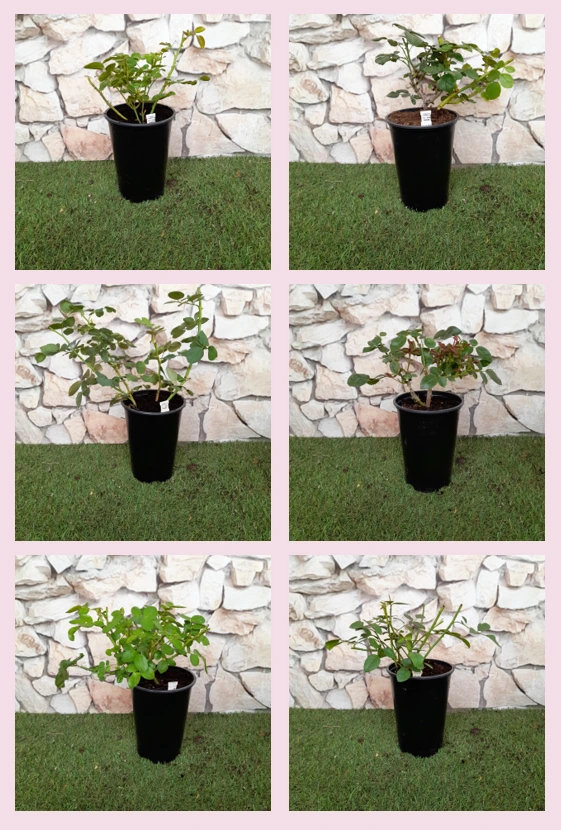
BLUE PETER™ – purple dwarf-mini rose - De Ruiter
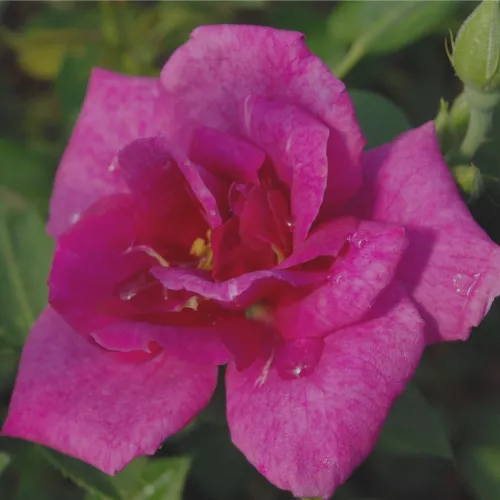
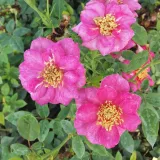
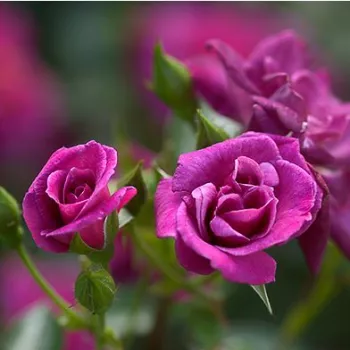
Designed for breezy coastal gardens and compact family spaces, BLUE PETER™ gives you softly coloured lilac blooms on a naturally compact plant that stays neat in small beds, shingle strips or generous containers. Its medium, musky fragrance drifts beautifully across a veranda while you unwind after a day on the beach, and the remontant, clustered flowers keep coming, offering colour from early summer well into autumn. This own-root rose is bred for good disease resistance, so routine care is light and predictable, even where salt-laden winds and sudden downpours test your planting, with roots that anchor firmly in well-drained coastal soils and cope reliably with blustery weather. Over time the own-root structure supports a long lifespan and steady ornamental value, with a natural rhythm in which the first year focuses on roots, the second on top growth, and by the third you enjoy its full character. BLUE PETER™ settles in quickly, responds well to gentle pruning and rewards modest maintenance with clear, maritime lilac tones that remain fresh beside gravel, timber decking and silvery grasses, delivering season-long impact in a friendly, easy-care format.
Usage options
| Target area | Reasoning |
|---|
| Small coastal front garden bed |
The naturally compact habit and modest 35–45 cm height sit neatly along paths or low shingle beds without blocking windows or views, while its good disease resistance keeps upkeep simple in exposed, salty air for coastal-style beginners. |
| Large container on a veranda (40–50 litres) |
In a substantial pot of 40–50 litres this dwarf rose forms a tidy, anchor-like clump, ideal beside outdoor seating where its soft musky fragrance can be enjoyed at close quarters and watering is easy to manage for busy veranda owners. |
| Mixed border with grasses and sea-themed perennials |
The rich lilac blooms work beautifully among blue fescues, sea kale or compact lavenders, their silvery undertones echoing maritime hues while the plant’s own-root longevity lets the border mature gracefully for design-conscious family gardeners. |
| Low edging or informal mini-hedge |
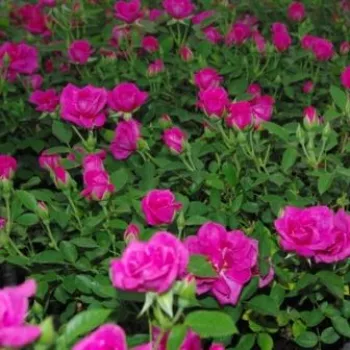
Short internodes and repeat flowering allow you to plant at 25–35 cm spacing, creating a low, floriferous edging that defines paths and lawns without heavy pruning, ideal for those who value structure but prefer light maintenance. |
| Children’s “girly” seaside corner |
The petite, double, cup-shaped flowers and soft lilac colour have a playful, storybook charm that pairs nicely with pastel lupins and bright toys, giving younger family members a friendly first rose that does not overwhelm a small play space. |
| Urban courtyard with limited sun |
In city courtyards with a few good hours of direct light, its compact stature and reliable rebloom offer satisfying colour without dominating, and own-root resilience supports long-term performance where planting pockets are small for busy urban gardeners. |
| Wind-exposed terrace in rainy regions |
Well-anchored in a deep bed with good drainage, BLUE PETER™ copes confidently with blustery showers and changeable weather typical of British coasts, needing only occasional deadheading and watering support from time-pressed veranda owners. |
| Low-input community or shared gardens |
Its combination of compact growth, moderate self-cleaning and strong resistance to key rose diseases keeps routine tasks manageable for mixed-ability groups, while own-root durability protects the long-term scheme for community-minded gardeners. |
Styling ideas
- Harbour-Edge Border – line a narrow front path with BLUE PETER™ and interplant sea kale and Festuca for a salty, quay-side feel – for coastal home-owners wanting easy structure.
- Veranda Tea Corner – place one rose per 40–50 litre pot with dwarf lavender and a small bistro set to enjoy its musky scent – for couples seeking a calm afternoon retreat.
- Pastel Seashell Patch – combine with pink lupins and pale pebbles to echo seashell colours in a child-friendly corner – for families creating a playful “girly” seaside nook.
- Urban Deck Ribbon – use a row of troughs planted with BLUE PETER™ and blue grasses to frame decking without taking floor space – for city gardeners with small terraces.
- Low-Maintenance Mini-Hedge – stitch plants at 25–30 cm spacings along a drive or shared path, underplanting with evergreen Euonymus – for neighbours sharing a simple, tidy boundary.
Technical cultivar profile
| Characteristic | Data |
|---|
| Name and registration |
Miniature rose, registered as RUIblun, marketed as BLUE PETER™ – purple dwarf-mini rose – De Ruiter; American Rose Society exhibition name: Blue Peter; part of the Mini – dwarf rose collection. |
| Origin and breeding |
Bred by Gerrit De Ruiter (Netherlands) from cross ‘Little Flirt’ × unknown seedling; introduced and registered in 1983, with early distribution in the United Kingdom via Fryer’s Roses and Fryer’s Nurseries Ltd. |
| Growth and structural characteristics |
Compact, bushy habit reaching about 35–45 cm high and 30–40 cm wide, with moderately dense, light green, slightly glossy foliage and moderate prickliness; clusters of flowers are well-displayed above the leaves. |
| Flower morphology |
Small, 0.5–1.5 inch, double cup-shaped blooms with 26–39 petals borne in clusters; remontant flowering pattern with a second flush that is also abundant, offering a long season in suitable conditions. |
| Colour data and phenology |
Mid-tone lilac with silvery undertone; buds deep violet-purple, opening to vibrant lavender-purple then pastel lilac, finally soft lilac with rosy-grey edges, lightening further in strong sun yet remaining harmonious on the plant. |
| Fragrance and aroma |
Medium-strength perfume with a soft, musky character noticeable at close range, especially effective when planted near seating, paths or doors where gentle air movement helps to carry the scent. |
| Hip characteristics |
Forms occasional small, spherical hips around 5–7 mm across, orange-red when mature; decorative rather than dominant, providing a subtle seasonal accent late in the year. |
| Resistance and winter hardiness |
Rated H7 and hardy to approximately −21 to −18 °C (USDA 6b), with documented resistance to powdery mildew, black spot and rust; tolerates warm spells but needs watering in prolonged droughts. |
| Horticultural recommendations |
Best in sunny sites with free-draining soil or large containers; plant 25–55 cm apart depending on use, water regularly in dry periods, and deadhead lightly to maintain compact shape and encourage continuing flower production. |
BLUE PETER™ offers compact growth, long-lived own-root reliability and softly fragrant lilac blooms in small gardens and coastal spaces, a thoughtful choice if you favour enduring beauty with modest care.