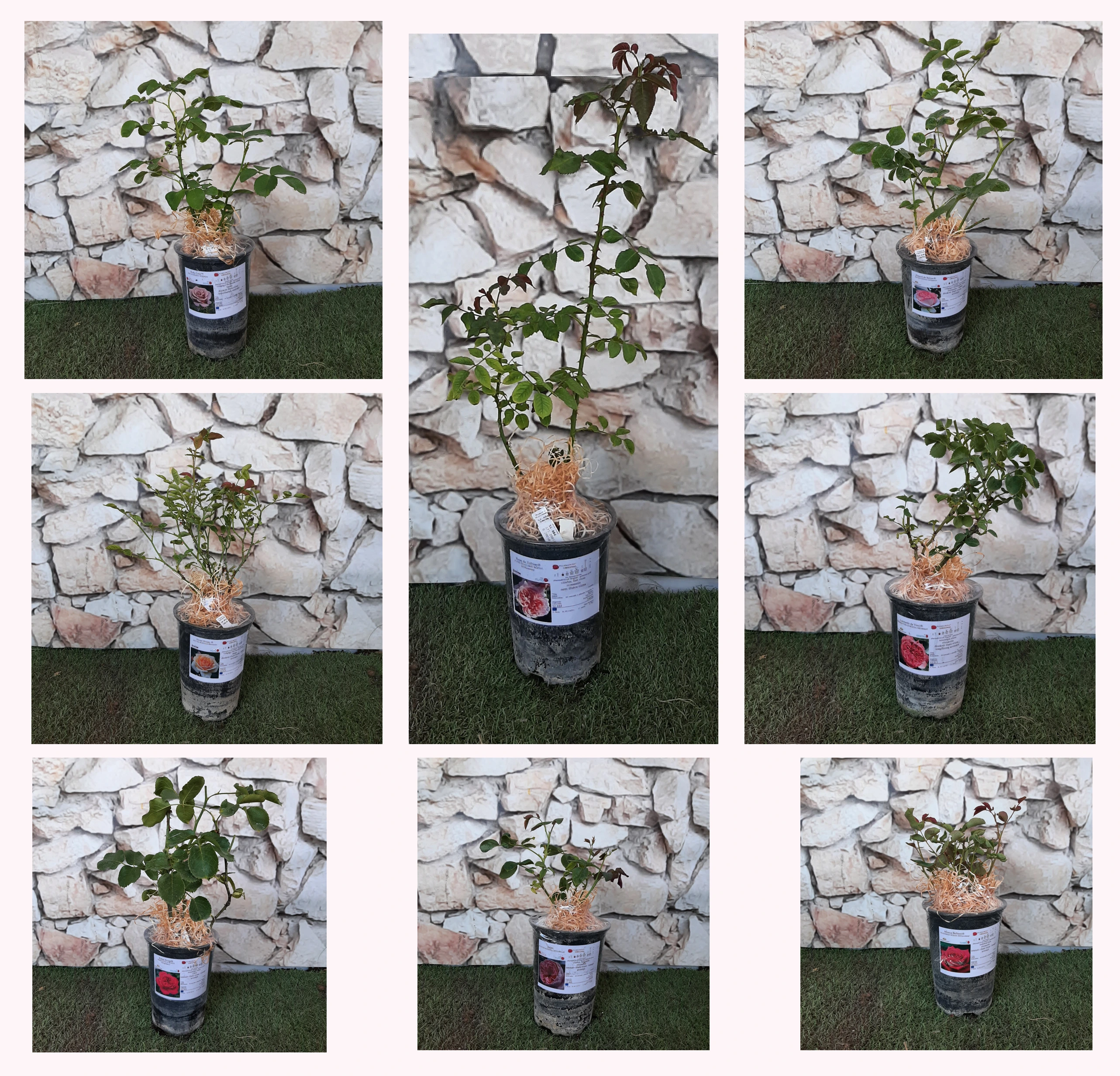
ROUSEFRËNN – pink bedding floribunda rose – Żyła
ROUSEFRËNN brings a breezy coastal refreshment to small family gardens, with softly fading baby‑pink blooms that echo seashell tones and an ease of care that suits relaxed afternoons on the veranda. Its compact, rounded habit fits neatly into modest beds or spacious containers, while its reliable repeat flowering carries colour from early summer well into autumn. Strong, fruity‑raspberry fragrance drifts on the wind, especially effective near seating where you take tea after a walk along the shore. On its own roots, this floribunda is bred for quiet longevity, able to regenerate from the base and maintain stable ornamental value over many seasons. In exposed coastal plots it anchors well in the soil and copes with blustery days and moisture‑challenging, wind‑swept conditions. Planted into well‑drained heavy clay, a little thought to water management and anchoring at the outset pays off for years of low‑effort enjoyment. In the first year it concentrates on roots, in the second on stronger shoots, and by the third it settles into its full ornamental potential.
Usage options
| Target area |
Reasoning |
| Coastal veranda container (40–50 litre) |
A medium to large container on a sheltered veranda lets this compact floribunda perform where soil is limited, keeping its raspberry‑fruity scent close to seating and creating a low‑maintenance focal point for coastal‑style veranda owners and beginners. |
| Front‑of‑border family bed |
Its modest height and dense foliage form a tidy, child‑friendly front strip that softens paths and lawns without blocking views, giving months of soft pink colour with little more than watering and the odd tidy, ideal for busy family gardeners and homeowners. |
| Small coastal garden wind‑shelter strip |
Planted in a curved band, the compact, well‑branched structure knits together to slow the wind at sitting‑height, pairing well with ornamental grasses while coping reliably with blustery, moisture‑challenging, wind‑swept conditions for practical coastal gardeners and veranda‑owners. |
| Low edging along paths or driveways |
Regular spacing creates a neat, low ribbon of pastel colour that is easy to maintain and withstands everyday wear, making path edges welcoming without demanding intricate pruning, well suited to time‑pressed householders and relaxed urban gardeners. |
| Season‑long colour in mixed beds |
Remontant flowering provides repeated flushes of blooms that refresh the border after earlier perennials fade, giving a long season of interest with simple deadheading, attractive for those wanting reliable display with minimal planning and occasional care. |
| Fragrant seating‑area planting |
The strong, fruity fragrance is most enjoyable near benches or terraces, where evening air carries the scent from clusters of blooms, enhancing outdoor living spaces for people who value sensory planting without specialist knowledge and detailed maintenance. |
| Long‑term feature in a modest family plot |
As an own‑root plant it can regenerate from the base if cut back hard or weather‑damaged, building into a durable, trustworthy clump over the years rather than tiring quickly, reassuring for cautious buyers seeking lasting value and dependable performance. |
| Part‑shade corner in heavy clay soil |
Tolerant of partial shade and capable of coping with well‑prepared clay, it offers colour where many roses fail, provided drainage is improved and watering is sensible, making it a realistic option for everyday UK plots and less‑experienced coastal‑style garden‑owners. |
Styling ideas
- Sea‑veranda pot – Place ROUSEFRËNN in a 50‑litre tub with blue Festuca and sea kale to echo shingle colours – for coastal veranda owners who want fragrance and colour with minimal upkeep.
- Pastel path edge – Repeat plants at 35–45 cm along a path, underplanting with low Lavandula for a soft, scented border – for families wanting tidy structure without formal gardening skills.
- Shell‑pink drift – Mass‑plant in a shallow arc, interweaving with Phlox paniculata and tall verbena for a hazy, seaside‑meadow look – for hobby gardeners seeking a romantic but robust coastal scheme.
- Corners of calm – Use as a compact anchor in a small, part‑shaded seating nook with a single bench and gravel mulch – for busy urban owners needing a simple, long‑lived focal point.
- Clay‑tolerant mix – In improved heavy clay, mix with Caryopteris ‘Summer Sorbet’ and ornamental grasses for late‑season movement – for practical gardeners turning ordinary soil into a relaxed coastal bed.
Technical cultivar profile
| Property |
Data |
| Name and registration |
ROUSEFRËNN is a floribunda bedding rose, also traded as Żyła, chiefly used as an ornamental bed and park rose for group planting within consumer gardens and smaller landscape schemes. |
| Origin and breeding |
Bred in Poland in 2014 by Stanisław Żyła and later introduced via Lens Roses in Belgium; formally registered in 2018 and available commercially after 2018 for general garden use. |
| Awards and recognition |
Holder of a Special Prize at the Baden‑Baden International Rose Competition in 2014 and a Merit Award at the Le Roeulx Rose Competition in 2016, confirming solid ornamental garden value. |
| Growth and structural characteristics |
Compact, bushy habit reaching around 40–60 cm in height and 50–70 cm spread, with dense, mid‑green slightly glossy foliage and moderate prickliness, forming tidy, low mounds in beds or containers. |
| Flower morphology |
Clusters of large, double, cup‑shaped blooms with 26–39 petals, flowering repeatedly through the season with a generous second flush, creating a full, textural effect suited to close viewing and group planting. |
| Colour data and phenology |
Soft baby‑pink buds open to translucent petals coded RHS 60C–61B, fading gradually to cream‑ivory; colour lightens markedly at full opening, lending a gentle, shell‑like pastel palette over time. |
| Fragrance and aroma |
Strong, long‑lasting scent with a distinctive raspberry‑fruity character that is noticeable even in light breezes, making it particularly rewarding near seating areas, entrances and frequently used garden paths. |
| Hip characteristics |
Occasionally sets small, spherical red hips around 5–8 mm in diameter, adding modest late‑season interest, though not produced heavily enough to be considered a primary ornamental feature. |
| Resistance and winter hardiness |
Hardy to approximately −15 to −12 °C (RHS H6, Swedish zone 2, USDA 7b) with moderate resistance to black spot, mildew and rust, and good heat tolerance if watered sensibly during prolonged dry spells. |
| Horticultural recommendations |
Best in fertile, well‑drained soil with sun or light shade; spaced 35–75 cm depending on use, and suitable for beds, edging and larger containers of at least 40–50 litres for stable, long‑term performance. |
ROUSEFRËNN offers compact habit, remontant colour and strong fragrance in an own-root form that matures into a durable, regenerating shrub, making it a thoughtful choice if you want reliable coastal-style charm with little fuss.