BOUQUET PARFAIT® – pale pink park rose - Lens
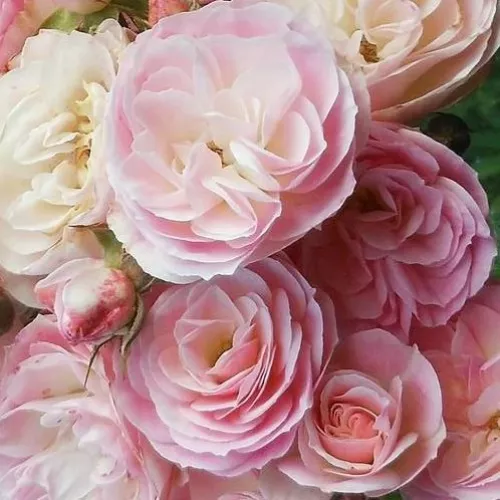
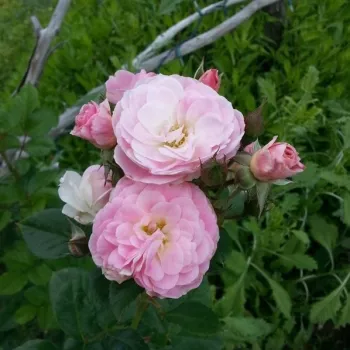
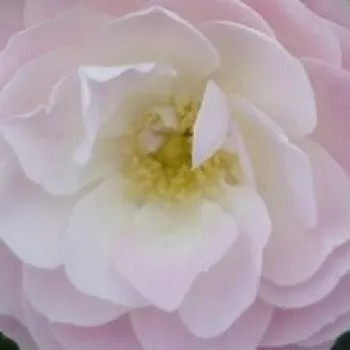
Imagine cups of tea on a sheltered veranda after a windy beach walk, protected by a rose that is both reliable and enduring. BOUQUET PARFAIT® creates a dense, upright screen of dark green foliage and soft, ball-shaped clusters of pale pink blooms that repeat generously through the season, giving long-lasting colour without demanding complicated care. Its hybrid musk heritage brings proven resistance to common rose diseases, coping well in breezy British gardens where good anchoring and drainage matter in wetter, exposed conditions. In its own-root form, it offers steady renewal, recovering well from knocks and pruning and settling comfortably into small to medium family gardens. In year one it focuses on roots, year two on strong shoots, and by year three it reveals its full ornamental presence as a relaxed yet structured hedge or stand-out specimen in coastal, cottage or contemporary planting schemes.
Usage options
| Target area | Reasoning |
|---|
| Coastal veranda windbreak |
The dense, upright habit and dark, glossy foliage create an effective living screen that tempers sea breezes while remaining compact enough for typical Cornish or Devon verandas, offering repeated flower clusters from early summer to autumn for coastal-style lovers. |
| Low-maintenance family hedge |
This shrub forms a bushy, moderately tall line when planted at hedge spacing, needing only light annual trimming, and its disease resistance means less spraying and fewer worries for those wanting structure without high-maintenance demands, ideal for time-pressed beginners. |
| Feature rose in small gardens |
As a specimen at wider spacing it develops into a rounded, upright focal point, with layers of pompon blooms softening patios and lawn edges while leaving room for play areas and seating, suiting homeowners seeking one reliable highlight in limited space. |
| Mixed coastal-style border |
Its pale pink-and-white clusters blend gently with silvery grasses, lavender and sea kale, while its own-root stamina lets it settle for the long term, matching gardens where good anchoring and drainage matter in wetter, exposed conditions for relaxed, seaside-inspired gardeners. |
| Part-shade side passage |
Tolerant of partial shade, this rose still flowers well where sunlight is filtered for part of the day, such as beside houses or fences, creating a softly lit tunnel of bloom that brightens everyday routes for busy urban garden owners. |
| Large containers on balconies |
In a 40–50 litre or larger container it provides height and privacy without overwhelming the space, and its upright habit keeps paths clear while repeat flowering ensures ongoing interest on balconies and roof terraces for compact-space gardeners. |
| Long-lived structural planting |
As an own-root rose, it regenerates from the base after harder pruning or weather damage, avoiding the risk of rootstock shoots, so its form and colour remain consistent over many years, well suited to planners of enduring, low-fuss gardens. |
| Cutting and floristry corner |
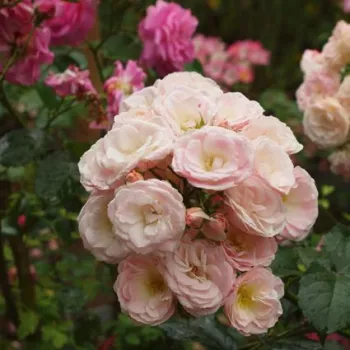
The small, very full pompon blooms gather into generous trusses that can be cut for informal bouquets, and the pastel colouring pairs easily with cottage flowers, enabling simple home arrangements that suit creative but time-limited enthusiasts. |
Styling ideas
- Seaside-Veranda Screen – line a veranda with a loose row of plants, underplant with Festuca and sea kale to echo shingle tones – for coastal-style homeowners wanting shelter and romance.
- Romantic-Hedge Walk – create a meandering hedge along a garden path, weaving in lady’s mantle and hardy geraniums for soft edges – for families who enjoy evening strolls at home.
- Cottage-Focal Pot – place a single shrub in a 50 litre clay pot, skirted with trailing thyme, near a bench – for beginners seeking one easy, high-impact feature.
- Soft-Pastel Border – mix with lavender, white gaura and ornamental grasses for a hazy, wind-moved border – for gardeners who like gentle, naturalistic planting.
- Florist’s-Corner Patch – plant a small group near the back door with dahlias and cosmos for cutting – for home florists wanting reliable stems close to hand.
Technical cultivar profile
| Parameter | Data |
|---|
| Name and registration |
Hybrid Musk park rose; registered as LENbofa, marketed as Bouquet Parfait® Park - shrub rose LENbofa; ARS exhibition name Bouquet Parfait, classic shrub category. |
| Origin and breeding |
Bred by Louis Lens (Lens Roses, Belgium) in 1989 from (Rosa multiflora var. adenochaeta × ‘Ballerina’) × ‘White Dream’; registered 2000 and introduced after 2000. |
| Awards and recognition |
Recognised at Geneva Rose Trials with a Certificate of Merit and Saverne Silver Medal in 1991; Certificate of Merit The Hague 1996; ARS classic shrub rose; show successes including South Coast Rose Society 2000. |
| Growth and structural characteristics |
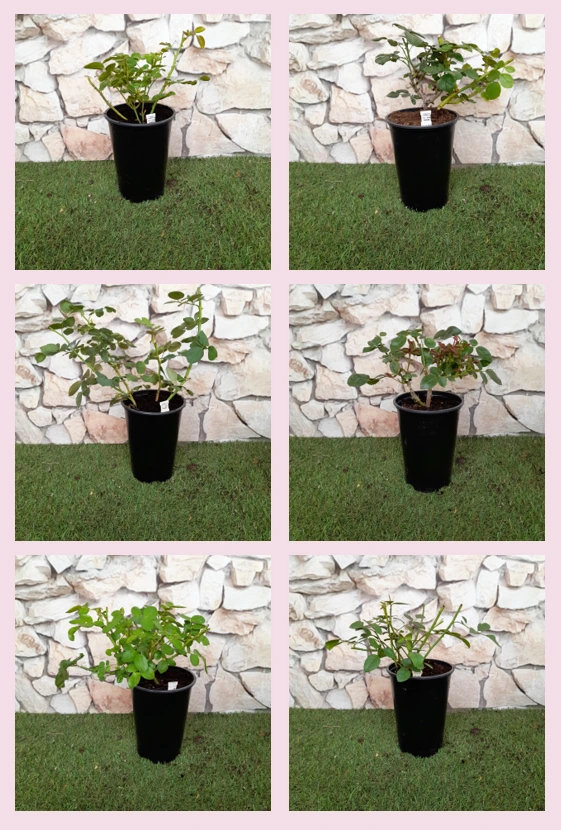
Upright, bushy shrub reaching about 110–170 cm in height and 95–150 cm spread; dense, dark green, glossy foliage with only slight prickliness; weaker self-cleaning so spent blooms often need manual removal. |
| Flower morphology |
Small, very full ball to pompon flowers (around 0.5–1.5 inches) held in large clusters; each bloom has 40 or more petals, with remontant flowering and a notably generous second flush in favourable seasons. |
| Colour data and phenology |
Pearl-toned buds open pale pink at the centre with near white outer petals; flowers fade from whitish-pink to white, faster in strong sun; ARS colour LP, RHS 36D inner and N155D outer petal codes describe the pastel effect. |
| Fragrance and aroma |
Lightly and sweetly scented with a gentle, unobtrusive perfume that complements its visual charm; fragrance is present but not overpowering, making it comfortable for seating areas and enclosed family spaces. |
| Hip characteristics |
Occasionally forms small, spherical orange-red hips about 6–9 mm across; modest but decorative autumn interest, typically appearing where flowers have been left to finish naturally rather than deadheaded. |
| Resistance and winter hardiness |
Rated H7 with hardiness around −26 to −23 °C, suiting most UK regions; good resistance to black spot, powdery mildew and rust; tolerates heat reasonably but prefers not to face prolonged drought stress. |
| Horticultural recommendations |
Well-suited for flower beds, parks, specimen use, hedging and cutting; plant roughly 90–170 cm apart depending on purpose; prefers well-drained soil, benefits from light annual pruning and regular deadheading for neatness. |
BOUQUET PARFAIT® offers reliable repeat flowering, easy low-maintenance structure and long own-root lifespan, making it a thoughtful choice for gardeners seeking durable, graceful planting in coastal or family gardens.