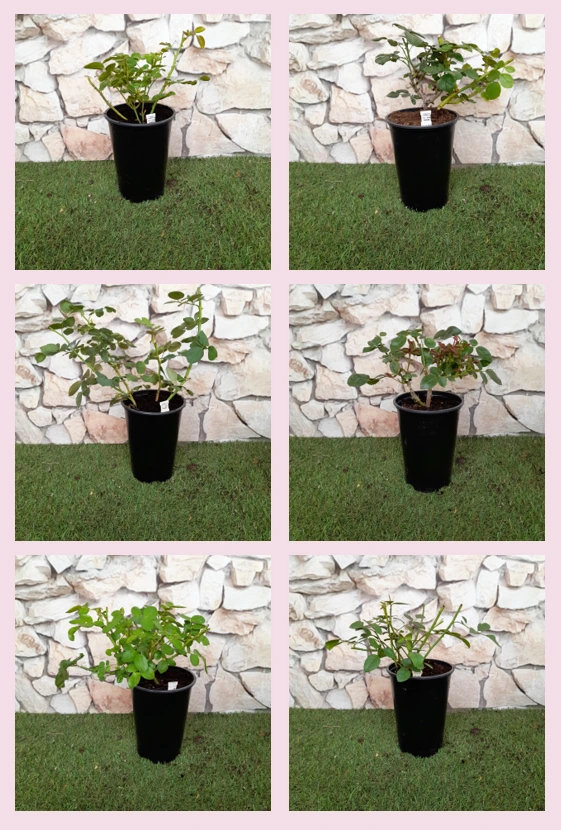
BULLATA – pink historic centifolia rose - Duhamel
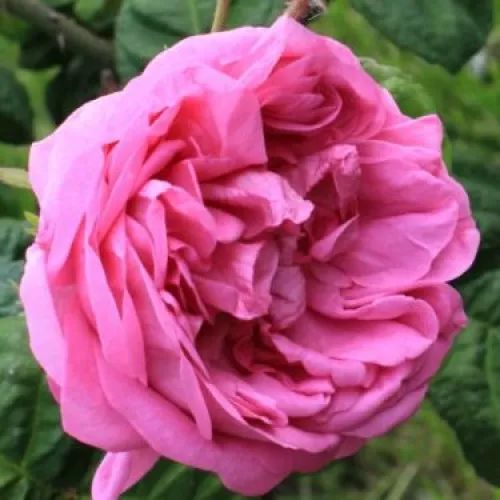
Imagine tea on a sunny coastal veranda, sheltered by crinkled foliage that looks almost like old-fashioned lettuce leaves – this is where ‘Bullata’ comes into its own, giving a gently romantic backdrop that feels rooted in history yet remains reassuringly simple to live with. As a medium-maintenance shrub, it copes well with breezy, exposed plots while its deep root system gradually stabilises plants in challenging soils, supporting reliable performance where family gardens meet the sea. Own-root plants settle steadily: roots first, then a framework of shoots, and by the third year a full display of bloom and scent. One sumptuous, once-a-year flush of mid-pink pompon blooms fills the air with a remarkably powerful rose fragrance, making even compact gardens feel indulgent. Its bushy, rounded shape offers natural screening for seating areas, while the historical centifolia character gives an authentic, time-honoured charm that suits relaxed shingle borders as much as cottage-style beds.
Usage options
| Target area |
Reasoning |
| Coastal veranda windbreak |
The dense, bushy structure of ‘Bullata’ forms a gentle green barrier that softens onshore breezes and frames seating areas without feeling oppressive. Medium maintenance needs mean routine watering and light pruning are sufficient for most seaside plots, while the plant’s establishing root system helps anchor it in exposed, breezy gardens over time – ideal for beginners who want a calm, sheltered corner for tea after a walk on the beach, especially for coastal-style lovers. |
| Feature shrub in small family garden |
A single specimen can reach around 120–180 cm high and wide, giving strong visual presence without overwhelming a modest-sized garden. Once settled, it forms a rounded, leafy dome that hides fences and play corners, offering privacy for children and adults alike. Flowering once in summer, it creates a highly memorable highlight rather than demanding constant deadheading, suiting those who want a single, spectacular moment rather than year-round fuss, particularly for busy homeowners. |
| Historic-style rose border |
As an early 19th‑century French centifolia sport, ‘Bullata’ brings genuine period character to borders inspired by walled gardens and historic estates. The very double, ball-shaped blooms and crinkled foliage create authentic texture alongside perennials and ornamental grasses. Medium care requirements allow gardeners to enjoy traditional looks without the intense spraying regimes associated with older varieties, making it a good bridge between heritage charm and modern practicality for heritage-leaning gardeners. |
| Fragrant seating area focal point |
The very strong, classic rose perfume of ‘Bullata’ is noticeable from a distance, so placing it near benches, terraces or paths makes the most of its scent during the main flowering period. Because the blooms are produced singly on sturdy stems, each flower is prominently displayed and easy to appreciate at nose level. Even in compact spaces, one or two well-positioned shrubs can perfume the whole corner, making them an indulgent yet manageable choice for scent-seeking beginners. |
| Cut-flower corner by the back door |
The medium-sized, richly petalled pompon blooms are well suited to cutting for informal jugs and small vases indoors. Growing a dedicated plant near the house makes harvesting quick and convenient, while the once-flowering habit encourages you to enjoy the main flush intensively over several weeks. With moderate thorniness and reasonably sturdy stems, it is straightforward to cut without complicated technique, especially appreciated by home flower arrangers. |
| Loose country hedge or boundary planting |
Planted at about 105 cm intervals, ‘Bullata’ forms a soft, informal hedge that marks boundaries without the severity of clipped evergreens. The dense foliage and moderate prickles gently discourage shortcuts while remaining family-friendly. Its medium height matches typical fence lines, and the once-a-year cloud of pink blossom adds drama without demanding constant trimming, an attractive compromise for time-pressed garden owners. |
| Mixed border with grasses and perennials |
The full, rounded habit and textured leaves make a strong backdrop for airy companions such as sea kale, Festuca, Hakonechloa or lavender. This contrast of fine and bold foliage adds movement and helps integrate the rose into contemporary coastal or naturalistic planting schemes. Because the plant is reasonably hardy and of medium maintenance, it will hold its own among perennials without needing constant rescue, an advantage for design-conscious amateurs. |
| Large container on sheltered terrace |
In a well-drained container of at least 40–50 litres, ‘Bullata’ becomes a movable accent for sunny, sheltered patios. Own-root stock responds reliably to careful watering and feeding, gradually building a strong framework that can be refreshed by pruning over the years. The crinkled foliage and fragrant pink flowers bring a romantic, seaside feel to hard landscaping without requiring a full border, a comfortable route into rose growing for veranda beginners. |
Styling ideas
- Shingle-Veranda Nook – Plant ‘Bullata’ in a large container with silvered timber furniture, pairing with potted sea kale or Festuca for a soft coastal look – ideal for coastal-style lovers who enjoy low-fuss elegance.
- Romantic-Heritage Bed – Use as a centrepiece in a small border, underplanted with catmint and low lavender to echo historic gardens – suited to beginners wanting classic charm without formal maintenance.
- Soft-Privacy Screen – Line a boundary with widely spaced shrubs, weaving in Hakonechloa and airy perennials to blur fence lines – good for families needing gentle screening around play or seating areas.
- Fragrant-Tea Corner – Position one specimen beside a bench on a sheltered terrace, combined with pots of herbs for an immersive sensory spot – perfect for homeowners who like to unwind outdoors with little effort.
- Cottage-Cut Patch – Dedicate a small bed near the back door to ‘Bullata’, edging with low daisies for informal bouquets – appealing to home flower arrangers who want characterful stems on hand.
Technical cultivar profile
| Parameter |
Data |
| Name and registration |
Centifolia shrub rose marketed as Bullata – pink historic centifolia rose - Duhamel; a historic rose in the centifolia group, unregistered but long established in collections. |
| Origin and breeding |
Spontaneous sport of ‘Gros Pompon’ discovered in France and attributed to Duhamel, introduced around 1801; origin typical of early centifolias with limited recorded breeding data. |
| Growth and structural characteristics |
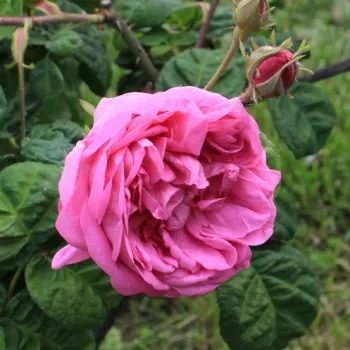
Bushy shrub 120–180 cm high and 90–150 cm wide with dense, matt, medium green foliage and moderately thorny shoots; forms a rounded, leafy structure well suited to specimen or hedge use. |
| Flower morphology |
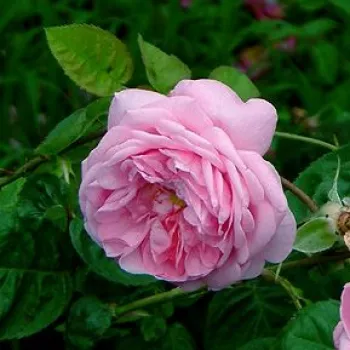
Medium-sized, very double, ball- to pompon-shaped blooms, usually solitary on the stems; over 40 petals give a plush, old rose effect; once-flowering in summer, with weak natural self-cleaning of spent blooms. |
| Colour data and phenology |
Rich mid-pink flowers with slightly darker petal bases; outer petals lighter (RHS 57C) and inner petals deeper (RHS 57B); colour lightens somewhat in strong sun, remaining deeper in cooler conditions. |
| Fragrance and aroma |
Very strong, classic rose fragrance detectable from a distance; traditional centifolia scent character suited to positioning near paths or seating; mainly ornamental rather than for culinary or cosmetic harvest. |
| Hip characteristics |
Hip set usually sparse because of the very double blooms; when present, produces small spherical red hips approximately 12–18 mm across, coloured around RHS 46A, contributing modest seasonal interest. |
| Resistance and winter hardiness |
Hardy to about −32 to −29 °C (USDA 4b, RHS H7); tolerates warm, moderately dry weather with irrigation in prolonged drought; moderate resistance to black spot, powdery mildew and rust in typical garden conditions. |
| Horticultural recommendations |
Best in sunny or lightly shaded positions with fertile, well-drained soil; suitable for beds, specimen use, informal hedges and cutting; for mass planting allow around 120 cm spacing, wider for individual specimens. |
BULLATA – pink historic centifolia rose - Duhamel offers a strongly scented summer display, substantial shrub presence and long-term stability from its own-root form; a thoughtful choice if you favour characterful, quietly reliable roses.