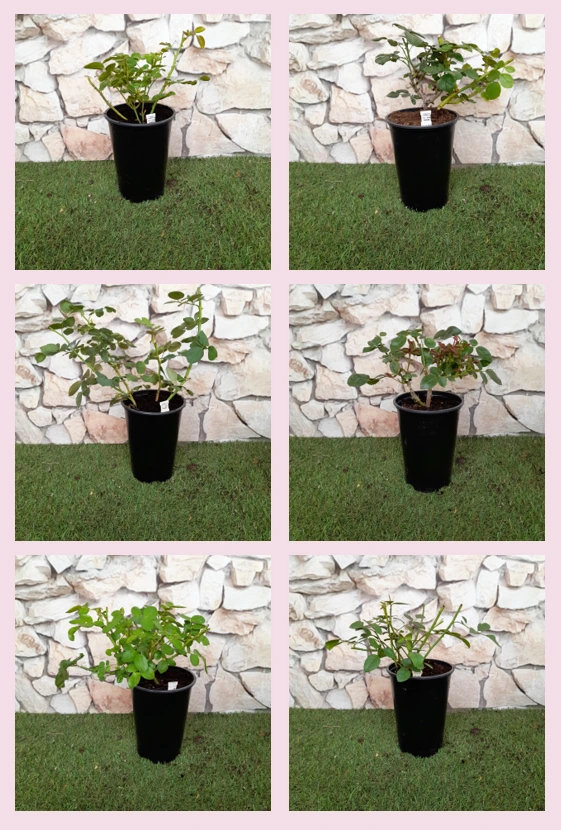
Preservation – red bedding floribunda rose – Bossom
Imagine stepping onto a sheltered coastal veranda, the air bright with mid‑red blooms of Preservation that hold their colour superbly even through breezy showers and salt‑laden gusts, creating a calm, reliable screen with surprisingly low maintenance. This compact, upright floribunda builds strength year on year, its own‑root system giving lasting stability, the ability to regenerate after harsh weather, and a reassuringly long lifespan in everyday family gardens. In a sunny spot with sensible drainage, it flowers in generous clusters from early summer well into autumn, so a single 2‑litre plant already hints at the full ornamental impact you can expect once the roots settle in the first year, the framework fills out in the second, and by the third season it performs as a mature hedge or specimen, anchoring small beds, shingle borders and containers with effortless coastal charm.
Usage options
| Target area |
Reasoning |
| Front‑of‑border bedding in a small family garden |
The compact, upright habit (around 75–105 cm) makes it easy to place at the front of mixed borders without overwhelming nearby perennials or blocking light. Dense clusters of red flowers repeat through the season, giving reliable structure and colour with modest care for busy homeowners. |
| Low flowering hedge along a coastal path or drive |
Regular, bushy flowering and glossy foliage create a neat, low hedge at roughly knee to waist height, ideal for edging paths or drives. Planted at 35 cm centres, the plants knit into a continuous line that copes well with exposed sites and salt‑laden breezes for coastal gardeners. |
| Feature rose in a large container on a veranda |
In a 40–50 litre container with free‑draining compost, it forms a stable, upright shrub whose medium height suits verandas and patios. Clusters of vivid mid‑red blooms add a smart, “dressed” look to outdoor seating areas with just routine watering and occasional feeding for time‑pressed beginners. |
| Season‑long colour in a sunny flowerbed |
With generous, remontant flowering, the first flush is followed by an equally abundant second wave and further blooms into autumn. The very double, cup‑shaped flowers hold their colour well, so beds and borders look full and lively for months on end, rewarding casual gardeners. |
| Easy‑care planting for hobby gardeners |
Medium maintenance demands and good resistance to powdery mildew and black spot mean that only occasional plant protection is normally required. Regular watering in dry spells and simple pruning keep it performing well, fitting neatly into the routine of hobby gardeners. |
| Long‑term structure in a family planting plan |
As an own‑root rose, it does not depend on a graft union, so it ages steadily and can regrow from its own base if damaged. This supports long‑lived, stable planting schemes where the same shrubs are expected to anchor the garden over many seasons for long‑view planners. |
| Wildlife‑supporting mixed border |
While the full, double flowers offer limited nectar, the shrub provides seasonal cover and occasional small, red hips that add late interest. Used with wildlife‑friendly perennials, it contributes structure and shelter in beds designed for movement and texture for nature‑minded families. |
| Bright focal point in clay or heavy soils |
Its upright, moderately dense growth and vivid, colour‑fast blooms create a clear focal point even where soils are heavier, provided drainage is improved to handle wet spells and keep roots comfortable in exposed, rain‑and‑wind‑prone sites for UK coastal owners. |
Styling ideas
- Coastal Veranda Trio – Grow in a 40–50 litre pot with blue Festuca and a low lavender for a breezy, seaside look – ideal for veranda loungers.
- Cherry‑Red Hedge – Plant as a short hedge along a front path, underplanted with sea thrift for a neat yet playful boundary – perfect for young families.
- Bold Bedding Block – Mass‑plant in a sunny bed and edge with silver sea kale foliage to make the red clusters stand out – suited to statement‑seekers.
- Wildlife Frame – Combine with Hemp‑agrimony and Macedonian scabious behind it so the rose gives structure while perennials feed insects – attractive to gentle re‑wilders.
- Park‑Style Corner – Use as a solitary bush in a corner, ringed with gravel and a few bluebeard shrubs to echo a smart public park – good for low‑maintenance owners.
Technical cultivar profile
| Parameter |
Data |
| Name and registration |
Floribunda bedding rose registered as BOSiljurika, marketed as Preservation Bedding rose BOSiljurika; ARS exhibition name Preservation; part of the Bedding rose collection for garden and show use. |
| Origin and breeding |
Bred in the United Kingdom by W. E. “Bill” Bossom in 1995, from a cross of ‘Silver Jubilee’ × ‘Paprika’; registered in 1999 and introduced after 1999 by later distributors. |
| Growth and structural characteristics |
Upright bush rose, typically 75–105 cm high with a 50–70 cm spread; moderately dense, glossy mid‑green foliage and sparse prickles, forming a tidy, easily managed bedding or specimen plant. |
| Flower morphology |
Large, very double, cup‑shaped blooms with over 40 petals borne in clusters; remontant habit with an abundant first flush followed by a strong second flowering and further intermittent blooms. |
| Colour data and phenology |
Vivid mid‑red flowers (RHS 46B outer, 46C inner) with silky texture; colour holds well, later softening to cherry red with a delicate pink edge before petals age and fall only gradually. |
| Fragrance and aroma |
Mild, subtle fragrance that does not dominate nearby seating areas; suitable where colour impact is more important than scent intensity, yet still offers a gentle traditional rose note. |
| Hip characteristics |
Occasional small ellipsoid hips, about 8–12 mm in diameter, ripening to red (RHS 40A); primarily ornamental rather than productive, adding discreet late‑season interest among the foliage. |
| Resistance and winter hardiness |
Medium overall disease resistance, with good resistance to powdery mildew and black spot, rust medium; hardy to about −21 to −18 °C (RHS H7, USDA 6b, Swedish zone 3) with standard care. |
| Horticultural recommendations |
Prefers a sunny position with improved drainage, particularly on heavier clays; medium maintenance, regular watering in drought, spacing 40–65 cm depending on mass planting, hedging or solitary use. |
Preservation Bedding rose BOSiljurika offers compact, repeat flowering colour, good disease resistance and long, stable own‑root performance, making it a thoughtful choice for relaxed, enduring coastal or family gardens.