CAPITAINE JOHN INGRAM – crimson-purple historic moss rose - Laffay
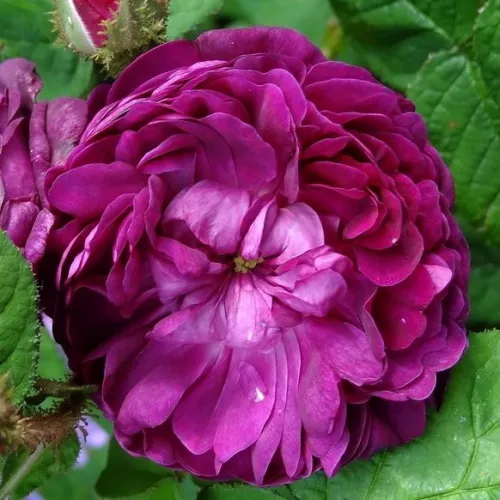
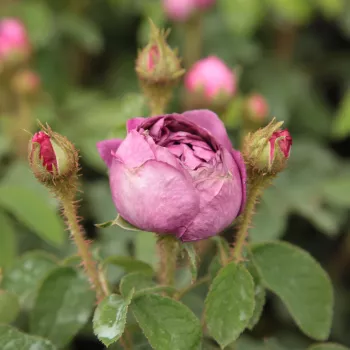
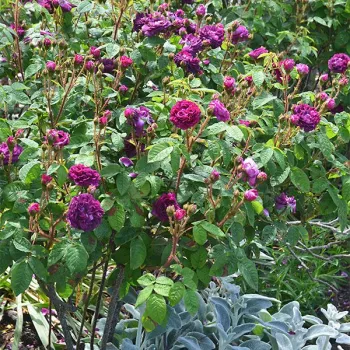
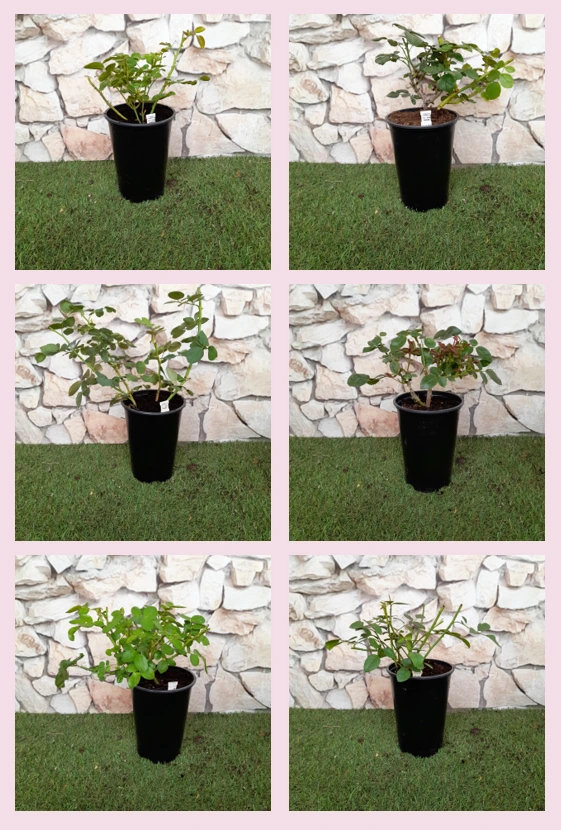
Let CAPITAINE JOHN INGRAM bring a touch of windswept romance to your coastal veranda or compact family garden, with its intensely mossed buds and deeply spicy, room-filling scent creating a sense of seaside theatre. This own-root, heritage shrub settles steadily and anchors itself well, coping reliably with blustery, exposed corners and the kind of gusty conditions typical of British shores where good root anchorage and drainage really matter. In its early years it focuses on rooting, then on building shoots, before delivering its full ornamental presence by the third season, giving you a long-lived, low-fuss investment that improves year after year. Once-blooming but lavish, it opens a concentrated flush of velvety crimson-purple rosettes that look as if they have blown in from an old Atlantic port, making a perfect backdrop for a quiet cup of tea after collecting seashells and feeling the salt-laden breeze on your face. Planted in a generous bed or a very large container, it rewards modest, regular care with reliable summer spectacle, combining beautifully with silver foliage, sea-hued grasses and lavender for an effortlessly coastal palette. Its historical pedigree as an 1854 French moss rose adds a story-rich focus to even the smallest plot, while the natural resilience of own-root plants supports regeneration over time and helps maintain stable ornamental character with fewer replacements.
Usage options
| Target area |
Reasoning |
| Coastal veranda in a very large container |
Use a 40–50 litre (or larger) pot with free-draining compost to give this once-blooming moss rose the root space it needs to anchor securely and ride out brisk, salty breezes on exposed verandas or balconies, ideal for time-poor coastal-style admirers and beginners. |
| Feature shrub in a small family front garden |
Planted as a single specimen near the house, its tall, bushy habit and intensely scented, deep crimson rosettes create a dramatic summer focal point with minimal pruning needs beyond shaping, suiting busy householders seeking one impactful, easy-care rose and homeowners. |
| Romantic “girly” seating corner with sea-inspired planting |
Combine it with sea kale, soft grasses and pastel perennials beside a bench to evoke the mood of tea after a windy beach walk, allowing the once-a-year flowering to become a cherished seasonal event, perfect for those curating mood-led spaces and coastal-lovers. |
| Historic-style rose border in a family back garden |
Incorporate it into a mixed historic rose border, spacing at about 150 cm as a specimen so air can circulate, which helps reduce disease pressure while preserving its period charm, a good choice for relaxed gardeners who prefer character over perfection and hobbyists. |
| Sheltered, sunny spot along a garden path |
Give it a bright, wind-filtered position with at least half a day of sun so buds open fully and fragrance carries along the route, turning everyday comings and goings into a brief sensory pause for visitors and scent-seeking gardeners. |
| Informal hedge or screen in a coastal-style layout |
At 80–120 cm spacing it can form a loose, romantic line that hints at enclosure without blocking views, its vigorous, bushy growth providing structure that copes well with blustery, changeable weather in ordinary family plots and urban-owners. |
| Cut-flower source for special summer arrangements |
Although it blooms once, the concentrated flush offers a short window of superb, fragrant stems; cutting judiciously for the house still leaves plenty on the plant, appealing to those who enjoy occasional home-grown bouquets and stylists. |
| Long-term own-root investment planting |
As an own-root shrub it can regenerate from its base if winter or pruning are severe, supporting a long lifespan and stable character without graft failures, which suits planners who prefer planting once and watching value build over years and planners. |
Styling ideas
- Harbour-Veranda – Place in a 50 litre tub with sea-green glazed finish, underplanted with Festuca and sea kale to echo shingle and surf – for coastal veranda owners wanting easy drama.
- Victorian-Tea – Pair as a specimen with lavender edging and a bistro set to evoke seaside resort promenades – for beginners who like structured yet nostalgic planting.
- Shingle-Romance – Mix with pale foxgloves, thrift and silvery foliage to soften gravel or shingle beds – for coastal-style lovers aiming for a “girly”, windswept charm.
- Evening-Scent – Position near a frequently opened door or terrace to let the intense fragrance drift indoors – for busy families who relax outdoors after work.
- Heritage-Focus – Use as the centrepiece of a small historic rose collection framed by low grasses – for collectors seeking one strong, story-rich focal shrub.
Technical cultivar profile
| Parameter |
Data |
| Name and registration |
Historic moss rose known commercially as CAPITAINE JOHN INGRAM, a heritage shrub classed as a historic rose; unregistered cultivar, honoured name referencing Captain John Ingram, verified for authenticity. |
| Origin and breeding |
Introduced in France in 1854 by breeder Jean Laffay, with parentage unknown; represents classic nineteenth-century moss rose breeding, brought to market as an ornamental heritage shrub rose. |
| Growth and structural characteristics |
Bushy, slightly spreading shrub reaching about 120–190 cm in height with 80–120 cm spread; densely thorned stems, moderately dense mid-green matt foliage, forming a robust, traditional garden presence. |
| Flower morphology |
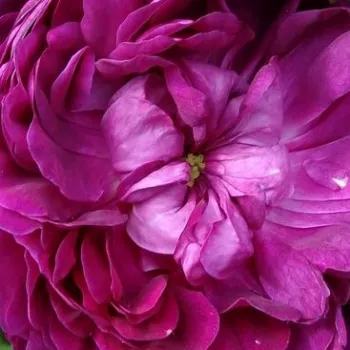
Medium-sized, double rosette flowers, usually borne singly, with around 26–39 petals; non-remontant, producing one main flush of lush blooms that emphasises short but highly decorative seasonal impact. |
| Colour data and phenology |
Deep crimson-red with purplish hue, dark buds opening to velvety burgundy with lilac tones; colour may lighten or smoke slightly in strong sun, creating rich, moody tones as flowers age on the plant. |
| Fragrance and aroma |
Extremely strong, garden-filling scent with deeply spicy character; best appreciated in still, warm air near seating or paths where the fragrance can accumulate and be enjoyed at close quarters. |
| Hip characteristics |
Fruit set is generally poor due to strongly double flowers, but occasional spherical orange-red hips around 10–15 mm may develop, offering modest late-season decorative interest on established shrubs. |
| Resistance and winter hardiness |
Very susceptible to powdery mildew, black spot and rust, so regular monitoring and protection are advised; hardy in cold climates to about -26 to -23 °C (RHS H7), coping with typical UK winters when established. |
| Horticultural recommendations |
Best in sunny sites with well-drained soil, spaced 80–150 cm depending on use; allow good air movement and provide consistent care, including watering in drought and disease management, to maintain ornamental quality. |
CAPITAINE JOHN INGRAM offers intensely fragrant, once-a-year crimson theatre, strong structural presence and long-term own-root resilience; consider it if you enjoy characterful, historic roses with enduring garden value.