CASANOVA – pale yellow hybrid tea rose - McGredy
Imagine a sheltered coastal veranda where you can enjoy tea and watch soft, pastel blooms of CASANOVA sway gently in the breeze, its medium-strength fragrance adding refinement to everyday moments. This hybrid tea’s upright habit and long, straight stems lend natural elegance to small family gardens and container displays, while the pale yellow flowers bring a feeling of seaside sunlight even on overcast days. Bred for good disease resistance, CASANOVA offers reassuring reliability, coping well with wet, windy spells common in coastal regions where careful drainage and secure anchoring help it settle. Planted as an own-root rose in a well-prepared bed or a 40–50 litre pot, it builds stability and character over time, giving you cuttable blooms for the house with relatively little effort, and a quietly romantic backdrop to relaxed, salt-tinged afternoons of coastal refreshment.
Usage options
| Target area | Reasoning |
|---|
| Coastal veranda in large containers |
Upright growth and relatively compact spread make CASANOVA easy to manage in spacious containers, provided you choose a 40–50 litre pot with good drainage and shelter from harsh salt-laden winds, ideal for a relaxed coastal veranda for the busy beginner gardener |
| Family garden feature rose |
As a specimen near a seating area, its medium-height, hybrid tea form offers elegant, repeatedly flowering stems that create a tranquil focal point without dominating a modest garden, suiting homeowners wanting beauty with minimal fuss owners |
| Cutting corner for home bouquets |
High-centred, long-stemmed blooms in soft yellow tones are perfect for simple home arrangements, reblooming well through the season so you can pick regularly without stripping the plant, appealing to those who enjoy flowers indoors enthusiasts |
| Low-maintenance front garden bed |
Good resistance to common rose diseases reduces the need for spraying or complex care, making a small front border of CASANOVA a practical option where time is short but a neat, welcoming appearance is desired by time-pressed householders families |
| Small mixed border with perennials |
Medium-density, light green foliage and refined, pastel blooms blend gently with compact perennials without overwhelming them, giving structure and height in limited borders for hobby gardeners seeking calm, coordinated planting beginners |
| Climate-conscious coastal planting |
Robust disease resistance means fewer chemical interventions, and the sturdy, upright habit copes well with blustery, rain-lashed weather typical of British coasts, supporting a climate-aware, resilient garden plan for environmentally minded buyers |
| Relaxed “girly” tea corner |
The sweet, clearly noticeable fragrance and romantic pale yellow blooms create a gentle, feminine atmosphere around a small seating nook, ideal for pairing with pastel accessories and dainty planting for those seeking a soft retreat visitors |
| Structured hedge or row planting |
Regular spacing along a path or boundary makes use of its upright habit and repeat flowering, forming an orderly but not rigid line of blossoms that matures steadily over the first seasons, well suited to planners of tidy, long-term layouts planners |
Styling ideas
- Coastal-veranda trio – combine CASANOVA in a 50 litre tub with sea kale and blue Festuca for a breezy shingle look – for coastal-style lovers
- Soft-yellow ribbon – plant a short row along a path at 40–50 cm to frame family walkways – for owners of modest front gardens
- Tea-and-roses corner – place one specimen by a small bistro set, underplanted with creeping thyme – for beginners wanting simple charm
- Cutting-strip border – dedicate a sunny side bed to CASANOVA with parsley edging for easy-access bouquet stems – for hobby flower arrangers
- Calm-clay bed – in heavier soils, raise a free-draining strip and mix CASANOVA with low Euonymus for anchored, all-season structure – for practical family gardeners
Technical cultivar profile
| Parameter | Data |
|---|
| Name and registration |
CASANOVA hybrid tea rose, exhibition-type cut flower; unregistered cultivar name, widely traded as Casanova Hybrid tea rose McGredy; classic hybrid tea for garden and cutting use. |
| Origin and breeding |
Bred by Samuel Darragh McGredy IV in England in 1957 from ‘Queen Elizabeth’ × ‘Perfecta’, introduced in the United Kingdom in 1964 by Fisons Horticulture Ltd., established Portadown breeding line. |
| Awards and recognition |
Recipient of the Geneva Certificate of Merit at the Geneva Rose Trials in 1963, indicating reliable garden and exhibition performance under international trial conditions for hybrid tea roses. |
| Growth and structural characteristics |
Upright bush reaching about 100–140 cm tall with 55–85 cm spread, medium-density light green foliage, sparsely thorned stems; weak self-cleaning so spent blooms generally need deadheading for best effect. |
| Flower morphology |
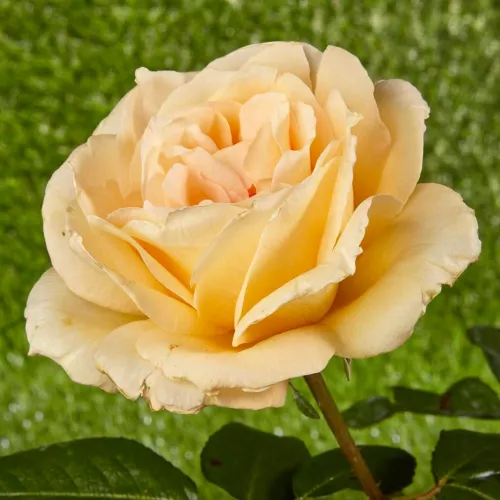
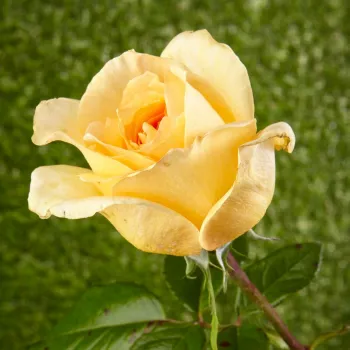
Large, double, high-centred blooms with 26–39 petals, classic pointed hybrid tea form on mainly solitary stems, good for cutting; reblooms well, giving a generous second flush in suitable conditions. |
| Colour data and phenology |
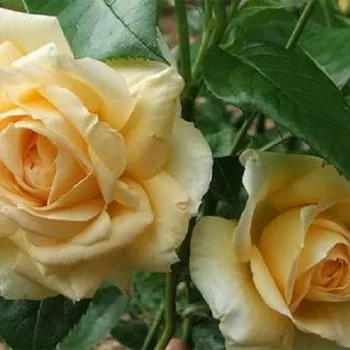
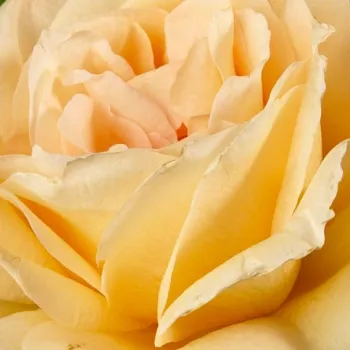
Pale lemon-cream yellow flowers; straw-yellow centres lightening to cream toward the edges, fading to cream-white in strong sun, giving a soft, uniform pastel effect from bud to full bloom. |
| Fragrance and aroma |
Clearly noticeable, medium-strength sweet fragrance, discernible at close range around seating areas or when used as a cut flower indoors, enhancing its value as both a garden and vase rose. |
| Hip characteristics |
Rose hip set is generally sparse due to full double blooms, but occasional small, ovoid orange-red hips 10–14 mm in diameter may appear, adding a subtle seasonal accent in late season. |
| Resistance and winter hardiness |
Good resistance to powdery mildew, black spot and rust; hardy to approximately −21 to −18 °C (RHS H7, Swedish Zone 3, USDA 6b), but dislikes heat and prolonged drought, needing reliable watering. |
| Horticultural recommendations |
Best in sunny, sheltered sites with fertile, well-drained soil; plant 40–75 cm apart depending on use, water consistently in dry spells, and deadhead spent blooms to encourage tidy plants and repeat flowering. |
CASANOVA – pale yellow hybrid tea rose - McGredy brings elegant cut-quality blooms, reliable reblooming and disease resistance in a long-lived own-root form, a considered choice if you would like a refined yet undemanding garden rose.