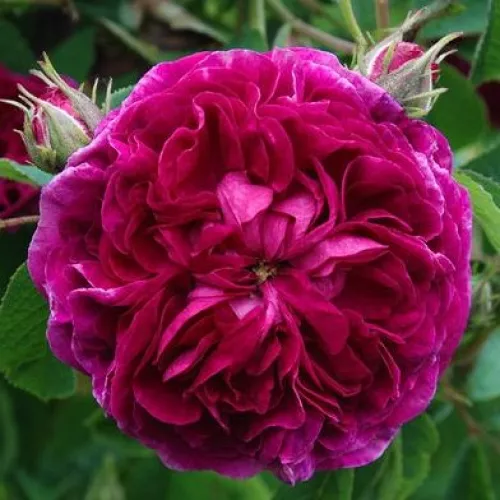
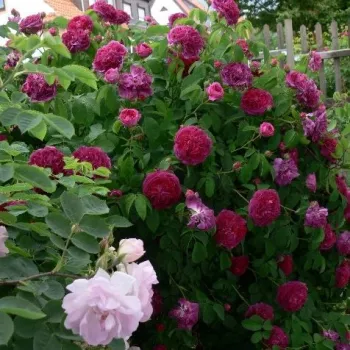
CHARLES DE MILLS – purple-lilac historic Gallica rose
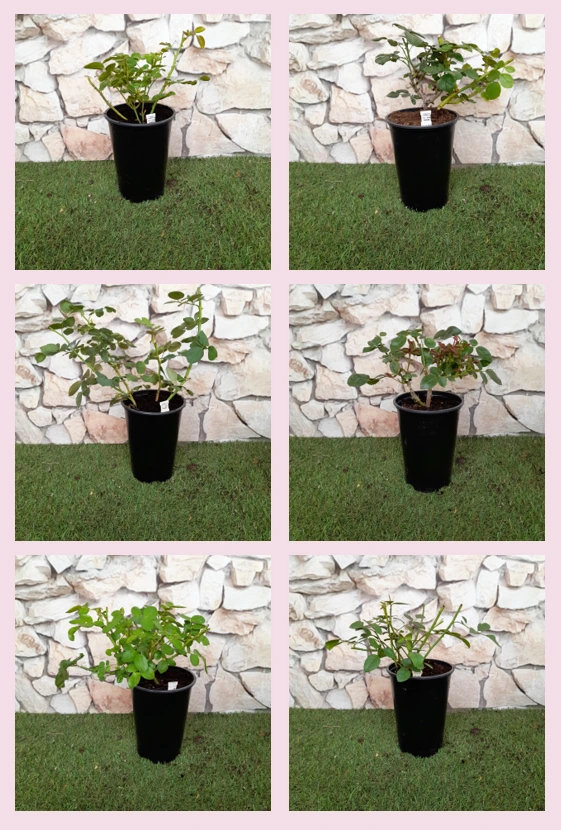
Imagine returning from the Cornish shore, sand still on your shoes, pouring tea in a sheltered corner while the salty air moves through dense, matt-green foliage and one magnificent flush of richly coloured blooms. Charles de Mills is an easy-to-place heritage rose that copes reliably with blustery coastal weather and holds its shape in exposed, breezy family gardens, giving you structure as well as summer drama. Its large, very double flowers deliver a strong gallica scent and deep, velvety colour, followed by decorative hips for autumn interest, so a single planting works hard across the seasons with minimal fuss. As an own-root shrub it establishes steadily for a long life in your garden, with roots first, framework next, then full ornamental presence building beautifully over three years for lasting, low-hassle impact, scented windbreak, seasonal structure, coastal resilience, partial-shade, cutting-garden, autumn-colour and enduring heritage.
Usage options
| Target area | Reasoning |
|---|
| Coastal veranda windbreak |
The dense, upright framework forms a living screen that softens breeze and filters salty air, echoing traditional cottage gardens by the sea while remaining manageable in a modest family plot; a reassuring choice for coastal-style lovers. |
| Structured family-garden backdrop |
Reaching around 120–180 cm with generous spread and thick foliage, this shrub anchors mixed borders, giving reliable shape through the year even when not in flower, ideal for homeowners wanting dependable structure with little complexity; perfect for busy garden owners. |
| Partial-shade side border |
Its tolerance of partial shade allows planting where many roses sulk, such as east-facing fences or between taller shrubs, extending rose colour and perfume into quieter corners without demanding constant care from beginner gardeners. |
| “Girly” coastal shingle bed |
Suited to breezier sites where soil needs good drainage yet holds moisture, this own-root shrub knits into the ground securely, partnering well with sea kale and ornamental grasses for a relaxed, seaside look valued by coastal veranda owners. |
| Cutting corner for scented bunches |
Extra-large, very double, rosette flowers on cluster stems are ideal for short, opulent arrangements, bringing classic perfume indoors from a single shrub that performs once but memorably each summer, appealing to home flower arrangers. |
| Low-maintenance heritage feature |
Medium care needs and own-root stamina mean that, once established, it forms a long-lived element in sustainable planting schemes, regenerating from the base if cut back and keeping its historic character for decades, suiting heritage-rose enthusiasts. |
| Seasonal hedge with autumn hips |
Planted at hedge spacing, plants knit into a leafy barrier that flowers spectacularly in early summer, then carries orange-red hips into autumn if not deadheaded, adding wildlife-friendly texture appreciated by family-garden planners. |
| Statement plant in large container |
In a sturdy 40–50 litre or larger container on a veranda or terrace, this upright shrub offers one luxurious wave of colour and fragrance without taking over the space, making it easy to enjoy for urban balcony and patio owners. |
Styling ideas
- Sea-breeze backdrop – Plant Charles de Mills behind sea kale and blue Festuca in a shingle strip to create a soft, wind-filtering hedge with rich early-summer colour – ideal for coastal veranda owners.
- Romantic cutting nook – Tuck it into a sunny side bed with lavender and Stachys byzantina, giving easy access to strongly scented stems for indoor vases – perfect for home flower arrangers.
- Shaded-corner glow – Use in partial shade near a fence, underplanted with pale geraniums, where its deep blooms and hips brighten less-loved spots – suited to time-pressed homeowners.
- Historic garden focus – Combine with Clematis ‘Snow Queen’ on a discreet support behind the shrub to contrast creamy clematis with velvety purple roses – appealing to heritage-rose collectors.
- Container retreat – Grow singly in a 50-litre tub by a sheltered seating area, with trailing thyme at the base, for one sumptuous flush of fragrance around summer tea – designed for small-space gardeners.
Technical cultivar profile
| Property | Data |
|---|
| Name and registration |
Charles de Mills is a historic Gallica rose from the Heritage collection, known in exhibitions as an old garden Gallica; it is marketed as CHARLES DE MILLS – purple-lilac historic Gallica rose. |
| Origin and breeding |
Originating in the Netherlands, bred around 1786 and introduced circa 1790, its exact breeder and parentage remain unknown, reflecting its long history and status as a traditional European garden rose. |
| Awards and recognition |
Recognised with the RHS Award of Garden Merit in 1993, this cultivar has proven reliability and ornamental value in UK growing conditions, supporting its use in classic and contemporary garden schemes. |
| Growth and structural characteristics |
An upright shrub reaching about 120–180 cm in height and spread, with dense, matt mid-green foliage and light prickliness, forming a substantial, leafy presence suited to hedging or structural planting. |
| Flower morphology |
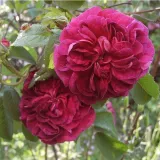
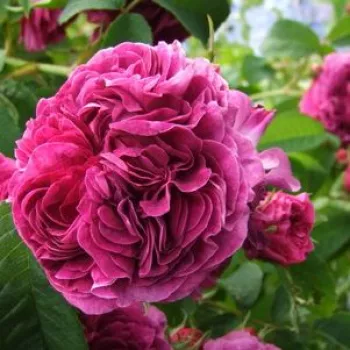
Produces extra-large, very double, rosette-shaped blooms with 40 or more petals, mostly in clusters; it is a once-flowering, non-remontant variety that offers one abundant display in early summer. |
| Colour data and phenology |
Blooms open deep crimson-purple with subtle lilac tones, later showing mauve-silver at the petal edges; colour holds well but lightens in strong sun, giving a velvety, antique effect through the flowering period. |
| Fragrance and aroma |
Highly perfumed with a strong, far-reaching, classic Gallica scent, this rose adds a distinctive, traditional rose fragrance to seating areas and paths, particularly noticeable on warm, still days. |
| Hip characteristics |
If spent flowers are left, it sets moderate numbers of small, spherical orange-red hips 9–15 mm across, extending ornamental interest into autumn and adding a subtle wildlife-friendly element. |
| Resistance and winter hardiness |
Hardy to about −32 to −29 °C (RHS H7, roughly USDA 4b), with medium resistance to common fungal diseases and moderate heat tolerance, provided soil moisture is maintained in dry spells. |
| Horticultural recommendations |
Suitable for beds, hedges, specimen use, parks and cutting; plant 90–165 cm apart, in well-drained yet moisture-retentive soil, watering regularly in dry weather and pruning lightly to maintain shape. |
Charles de Mills offers one unforgettable flush of scented, velvety colour, strong structural presence and long-lived own-root reliability; consider it if you want a characterful, low-fuss heritage rose for years to come.