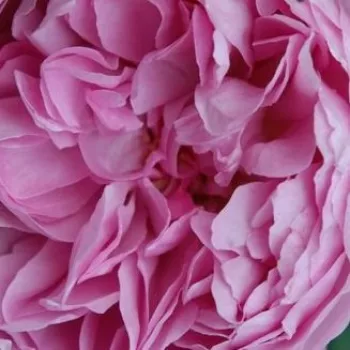
CHARLES RENNIE MACKINTOSH – lilac-pink English rose - Austin
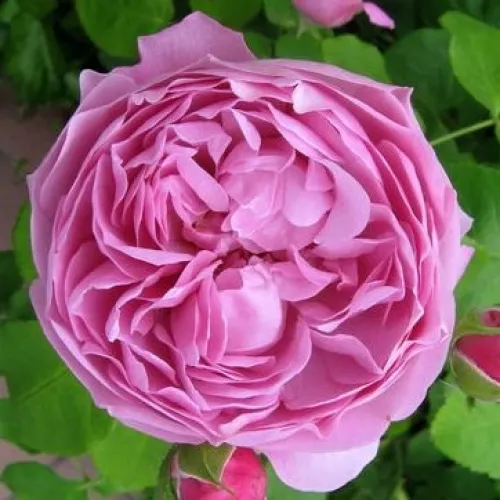
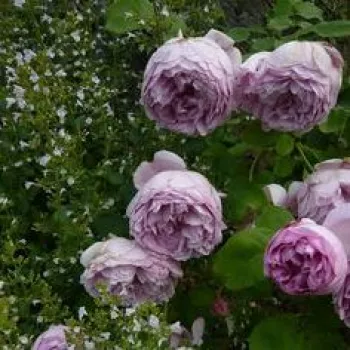
Imagine returning from a breezy Cornish beach, sitting down with afternoon tea, and looking out over lilac-pink rosettes of soft petals glowing gently against dark foliage: CHARLES RENNIE MACKINTOSH is a bushy, upright English shrub rose that settles calmly into small family gardens and coastal verandas. Its remontant flowering brings well-filled, medium-sized blooms repeatedly through the season, with a strong, classic fragrance that lingers on warm, salty, sunny days. Own-root plants build a dependable framework for the long term, quietly regenerating and keeping ornamental value stable with little fuss. In British coastal conditions it rewards thoughtful watering and good drainage, helping it cope reliably with blustery weather and exposed sites. Suitable for partial shade, it tucks beautifully beside paths, shingle beds or a veranda seating area, where you can enjoy those soft lilac-pink rosettes from close quarters. Expect a gentle development arc, with roots establishing first, then stronger shoots in year two, and by year three the full, romantic display that makes this English rose a long-lived companion.
Usage options
| Target area | Reasoning |
|---|
| Small coastal front garden bed |
The bushy, upright habit and moderate spread allow you to create a generous-looking English rose display in a modest shingle or gravel bed without the plant overwhelming the space, giving reliable shape and structure for coastal-style lovers. |
| Feature rose for veranda container |
Medium height and dense, dark foliage make it ideal for a statement container on a veranda or sheltered terrace; in a 40–50 litre pot, roots anchor well and support repeat flowering with simple watering and feeding for busy veranda owners. |
| Relaxed flowering hedge by a seating area |
At the recommended hedge spacing it knits into a soft, flowering line, the lilac-pink rosettes and strong old-rose scent enclosing a sitting space in summer while remaining manageable to prune and deadhead for hobby gardeners. |
| Mixed border with perennials |
The romantic lilac-pink colouring and rosette form blend easily with silvers and blues, while the upright, bushy frame offers a reliable middle layer among perennials, providing season-long structure for family gardens that need low-fuss harmony. |
| Part-shaded side garden or passage |
This variety performs well with a few hours of direct light and bright shade for the rest of the day, keeping flower colour fresher and avoiding scorch, which suits narrow side gardens where full sun is limited for urban homeowners. |
| Cutting patch for scented stems |
Solitary, very double blooms on upright shoots lend themselves to short to medium-length cutting; the strong, long-lasting fragrance and classic rosette shape give characterful indoor arrangements with just a few stems for enthusiasts of home-cut flowers. |
| Coastal garden with changeable wind and rain |
Once established, the sturdy shrub form and dense foliage cope well with blustery conditions typical of British seaside gardens, especially where soil drains freely after heavy showers yet retains enough moisture for roses for owners of coastal verandas. |
| Low-chemical, environmentally aware planting |
Moderate overall disease resistance, including good black spot resilience, supports a more selective, low-input care regime; on its own roots the plant can regenerate well after pruning, sustaining long-term ornamental value for environmentally conscious rose lovers. |
Styling ideas
- Coastal-veranda duo – Plant in a 40–50 litre container with blue Festuca and trailing sea kale for a soft, maritime feel beside outdoor chairs – ideal for coastal-style veranda owners.
- Pastel-border ribbon – Use as repeating shrubs along a mixed border with pale Lavandula and white Gypsophila repens to echo the lilac-pink rosettes – for gardeners wanting gentle, romantic structure.
- Shingle-curve hedge – Create a low, curved hedge around a gravel seating area, spacing for a loose, airy line scented on summer evenings – for families seeking a relaxed English look by the sea.
- Part-shade nook – Tuck one or two plants against a warm wall with ferns and silver foliage perennials where sun is limited, letting the colour stay cool and refined – for owners of side gardens and narrow passages.
- Scented-cut corner – Dedicate a small bed near the back door to a cluster of these roses, underplanted with soft grasses, for easy access to fragrant cut stems – for busy homeowners who like simple, rewarding tasks.
Technical cultivar profile
| Parameter | Data |
|---|
| Name and registration |
CHARLES RENNIE MACKINTOSH – English shrub rose (Romantic, English Rose Collection). Registered cultivar name AUSren; ARS exhibition name Charles Rennie Mackintosh. |
| Origin and breeding |
Bred by David C. H. Austin (United Kingdom, 1988), from (Chaucer × Conrad Ferdinand Meyer) × Mary Rose. Introduced after 1994 by David Austin Roses Ltd. |
| Growth and structural characteristics |
Bushy, upright shrub reaching around 100–150 cm high and 70–110 cm wide, with dense, slightly glossy dark green foliage and moderate prickliness on the shoots. |
| Flower morphology |
Very double, rosette-shaped blooms with more than 40 petals, medium flower size on mostly solitary stems, repeating freely with an abundant second flush in suitable conditions. |
| Colour data and phenology |
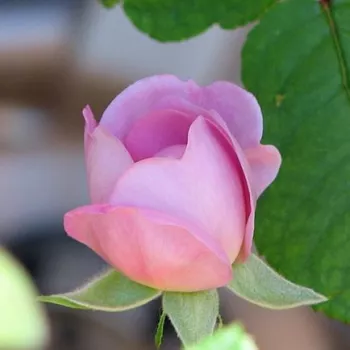
Soft lilac-pink flowers; buds medium lilac-pink, opening to richer inner petals and paler outer edges, gradually fading to pastel pink tones, holding colour best in cooler, less intense sun. |
| Fragrance and aroma |
Strong, long-lasting perfume with a classic old-rose character and a gentle almond nuance, noticeable in still air and well suited to seating areas and cutting for indoor enjoyment. |
| Hip characteristics |
Hip set is generally slight due to very double blooms; occasional small spherical orange-red hips, around 11–17 mm, may form later in the season if flowers are left uncut. |
| Resistance and winter hardiness |
Hardy to approximately −26 to −23 °C (RHS H7, USDA 5b, Swedish zone 4). Moderate general disease resistance with good black spot resistance; prefers regular watering in hot, dry spells. |
| Horticultural recommendations |
Suited to beds, edging, specimen and park use, also cutting. Plant at 55–100 cm spacing, in fertile, well-drained soil; moderate care needs, with occasional deadheading and plant protection as required. |
CHARLES RENNIE MACKINTOSH offers romantic lilac-pink blooms, strong old-rose fragrance and a manageable, bushy habit on durable own-root plants; an elegant, long-lived choice when you wish to invest in one reliable English rose.