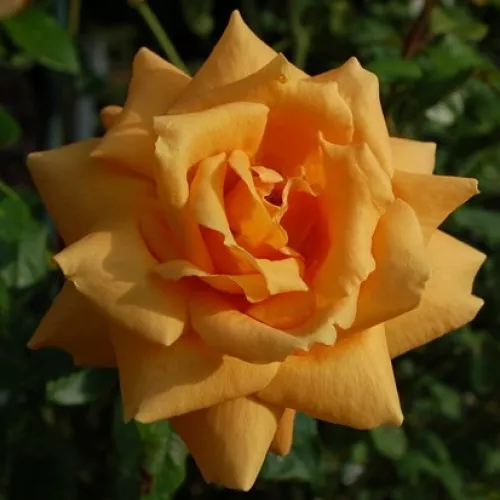
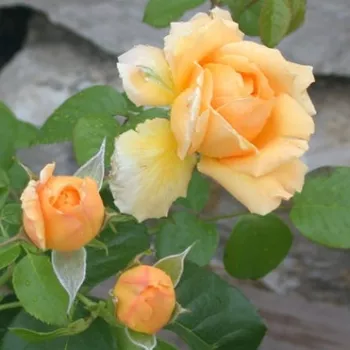
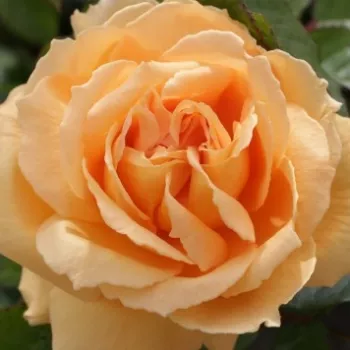
CHEVREUSE – apricot climbing rose – Kordes
Let Chevreuse bring a refreshing coastal feel to your family garden, with soft apricot-peach blooms that catch the low Cornish and Devon light and create a sheltered nook for afternoon tea. This own-root climber settles in reliably, building a long-lived, stable frame of glossy foliage and upright shoots that copes well with breezy, exposed spots and helps protect seating areas from prevailing winds. Over time it forms a dense, bushy curtain of colour on arches, walls or sturdy pergolas, its clusters of double flowers repeating generously from early summer into autumn for a long, decorative season. In a large 40–50 litre pot on a veranda or terrace it anchors well, provided you give it consistent watering and good drainage, rewarding patient gardeners as its roots, shoots and flowers develop steadily across three seasons, from strong rooting through structural growth to full ornamental impact. Its pastel tones blend easily with silvery grasses, sea kale and lavenders, softening hard edges and shingle, while the vigorous framework remains manageable with light, annual pruning – a reassuring choice if you want lasting structure without fussy maintenance, reliable flowering, gentle fragrance, enduring colour, structural height, glossy foliage, coastal-inspired screening and long-term value.
Usage options
| Target area |
Reasoning |
| Coastal veranda windbreak |
Trained along a balustrade or wire frame, this climber builds a dense, bushy screen that softens onshore breezes and filters salty, windy, sunny conditions around seating areas, giving a sheltered, pastel-toned backdrop for tea and quiet moments for the beginner coastal gardener. |
| Small family garden pergola |
Its moderate height and upright, bushy habit suit compact pergolas in average UK gardens, creating overhead shade without overwhelming the space, while repeat flowering keeps play and dining areas cheerful for the busy family homeowner. |
| Climbing feature in 40–50 L container |
In a generous container with good drainage, it establishes a stable, long-lived framework, ideal for rented homes or paved courtyards where you want a movable vertical accent and reliable blooms for the space-conscious urban gardener. |
| Soft screen along a boundary fence |
Planted at sensible intervals, its glossy foliage and clustered flowers knit into a semi-formal screen that defines boundaries, hides eyesores and adds colour without the severity of hard fencing for the privacy-seeking garden owner. |
| Romantic veranda seating corner |
Trained around a bistro set, the pastel apricot-to-cream flowers and mild fruity scent create a relaxed, “girly” coastal café feel, pairing well with pots of lavender and grasses for the style-focused veranda host. |
| Shingle or gravel coastal-style bed |
Set against pale gravel with sea kale and Festuca, its warm peach tones and dark green leaves bring depth to low-maintenance coastal schemes, thriving in free-draining soil for the low-effort design lover. |
| Long-season focal point near the house |
Repeated flushes of double, cluster flowers from early summer into autumn draw the eye from kitchen windows and patios, giving a sense of continuity and investment value for the ornamental-impact seeker. |
| Durable structural rose in mixed border |
The strong, upright shoots and dense foliage form a long-lived backbone that anchors looser perennials and grasses, reducing the need for frequent replacements and reshaping for the time-poor hobby gardener. |
Styling ideas
- Seaside-Veranda Arch – Train Chevreuse over a slim metal arch beside your seating area, underplant with lavender and Festuca for a salty-breeze feel – ideal for coastal-style verandas.
- Peach-and-Steel Duo – Grow it against a grey-painted fence with blue pots of sea kale and soft grasses to echo shingle and sky – perfect for modern family gardens.
- Tea-Nook Pergola – Let its bushy shoots cloak a compact pergola over a bistro set, adding lanterns and pale textiles for a calm retreat – suited to busy homeowners seeking easy charm.
- Container-Harbour Corner – Plant in a 40–50 litre tub with good drainage and a slim obelisk, grouping with Boston ivy in separate pots – great for renters wanting movable structure.
- Soft-Boundary Ribbon – Space plants along a fence or wall to create a billowing peach curtain above low shrubs and dogwood stems – attractive for those softening hard boundaries.
Technical cultivar profile
| Characteristic |
Data |
| Name and registration |
Climbing rose, large-flowered; registered as KORplavi, marketed as Chevreuse Climbing rose KORplavi, with Westfalenpark® as the American Rose Society exhibition name. |
| Origin and breeding |
Bred by Reimer Kordes, W. Kordes’ Söhne, Germany, from an unknown parent crossed with ‘Las Vegas’ hybrid tea; registered and bred in 1986 in Klein Offenseth-Sparrieshoop. |
| Growth and structural characteristics |
Strong, bushy climber with upright shoots reaching around 160–240 cm in height and 120–200 cm spread, carrying dense, dark green, glossy foliage and moderate prickles. |
| Flower morphology |
Large, double, cup-shaped blooms with around 26–30 petals, typically borne in clusters; repeats well through the season with a notably generous second flush of flowers. |
| Colour data and phenology |
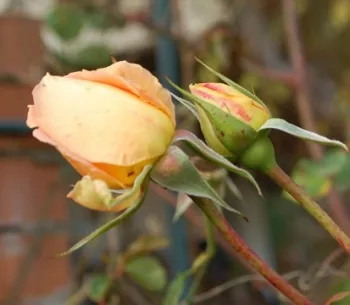
Warm peach-yellow with a delicate yellow tint, opening pastel apricot then fading to creamy, buttery yellow; ARS ab, RHS 23C outer and 28D inner petal colour references. |
| Fragrance and aroma |
Mild, fresh fruity fragrance that is noticeable at close range without dominating nearby seating areas; double flowers offer limited appeal to pollinators due to reduced stamen access. |
| Hip characteristics |
Produces few hips because of its double flowers; small, spherical fruits about 8–12 mm in diameter, coloured orange-red (RHS 33A), adding a discreet autumn accent if left unpruned. |
| Resistance and winter hardiness |
Hardy to approximately –21 to –18 °C, RHS H7, roughly USDA Zone 6b and Swedish Zone 3; moderate resistance to black spot, powdery mildew and rust, needing occasional monitoring. |
| Horticultural recommendations |
Suited to climber roles on supports, pergolas and fences; plant 140–240 cm apart depending on use, with 0.4–0.5 plants/m² for massing; expects medium maintenance and periodic health checks. |
CHEVREUSE – apricot climbing rose – Kordes offers long-season colour, manageable height and a durable own-root framework that rewards patient planting with years of graceful structure, making it a thoughtful choice for relaxed, coastal-inspired gardens.