CHEWGENTPEACH – peach-pink bedding floribunda rose - Warner
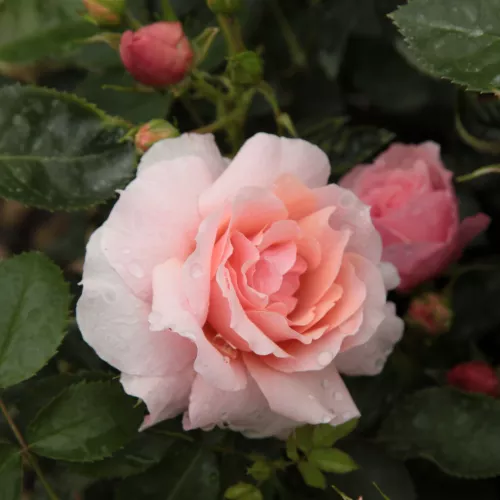
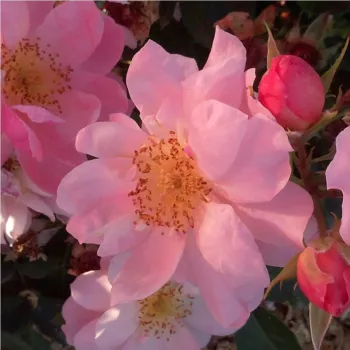
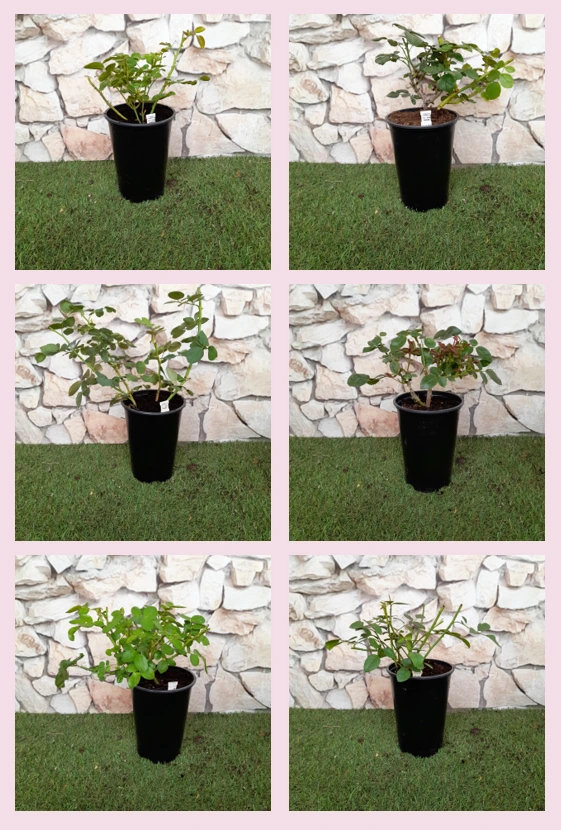
Imagine returning from the Cornish shore, salt still on your skin, to a sheltered veranda where clusters of soft peach-pink blooms offer quiet refreshment and gentle colour from early summer well into autumn. CHEWGENTPEACH is a compact, bushy floribunda that fits perfectly into small family gardens and coastal-style spaces, bringing reliable flowering without demanding complicated care. Its warm, changing colour palette – from rich peachy buds to creamy, pastel-pink cups – pairs naturally with sea kale, blue grasses and lavender, echoing shingle, sand and sky. Own-root planting means a long-lived, stable structure that regenerates well after wind, pruning or the odd mishap. In the first year it concentrates on roots, the second on shoots, and by the third you enjoy full ornamental value with minimal intervention, ideal for busy households. In exposed areas it settles steadily, its bushy habit helping it anchor and cope with brisk coastal breeze and weather, especially where soil has been improved for good drainage and moisture management. Whether in a 40–50 litre container on a sunny balcony or in a small front garden bed, its moderate maintenance and steady, remontant display suit beginners who still want enduring elegance. Moderately thorny stems and glossy dark green foliage create an attractive background for the changing flowers and autumn hips, giving your space a quietly curated, seaside-inspired charm.
Usage options
| Target area |
Reasoning |
| Compact coastal flowerbed by a veranda or patio |
The bushy, medium-height habit forms a stable, low wind-filter that suits coastal-style beds without dominating the space. Regular clusters of peach-pink flowers create soft structure rather than one big flush, ideal beside seating for relaxed tea after a beach walk. Especially suitable for coastal veranda owners. |
| Small family front garden with limited planting depth |
As an own-root plant, this rose develops a durable framework and regenerates well if cut back or knocked, supporting a long lifespan in hardworking front gardens. Once established, its moderate care needs fit around busy weeks, rewarding simple feeding and watering with a reliable, tidy presence. A reassuring choice for busy homeowners. |
| Feature rose in a 40–50 litre container |
CHEWGENTPEACH performs well in a generous pot where roots have room to spread, giving a neat, upright-bushy outline that looks finished even in its first few seasons. In containers it is easier to manage watering and feeding, keeping the warm peach tones clean and vivid on balconies and small terraces. Highly practical for urban balcony gardeners. |
| Mixed border with grasses and late-summer perennials |
The semi-double, medium-sized blooms repeat steadily, weaving colour through border grasses such as dwarf Miscanthus or Festuca and shrubs like Caryopteris. Their pastel peach-pink fits effortlessly with blue, silver and cream tones, creating a breezy, shingle-garden feel that still looks intentional and well-composed. Well suited to coastal-style enthusiasts. |
| Lightly formal bed or short informal hedge |
Planted at the recommended distances, the bushy structure and dense, glossy foliage make a low, continuous line that softens drives or paths. Repeating flowers lend a gently formal rhythm without the rigidity of classic hedging, easier to manage yet visually consistent across several seasons. Appealing for neat but relaxed gardeners. |
| Pollinator-friendly family garden corner |
Semi-double flowers with 13–25 petals offer moderate accessibility to pollinators, while the mild, fresh-fruity scent adds sensory interest for children. Later in the season, small orange-red hips extend wildlife value and autumn colour, supporting a subtly nature-friendly garden without sacrificing neatness. A thoughtful option for wildlife-aware families. |
| Sheltered, sunny seating area near the house |
This rose prefers a sunny spot and rewards it with good remontancy, so flower clusters appear around seating areas through much of the season. In more exposed UK gardens its bushy habit helps it stand up to brisk coastal weather, provided the soil is prepared to balance drainage and moisture retention. Particularly attractive to seaside garden owners. |
| Low-maintenance highlight in a beginner’s garden |
Medium disease resistance and moderate maintenance needs mean you focus on simple routines: sun, water, and occasional feeding, with only periodic checks for common problems. As an own-root plant it ages gracefully, keeping its ornamental value even after pruning mistakes, supporting new gardeners as their confidence grows. Reassuring for first-time rose growers. |
Styling ideas
- Shingle-Chic Border – Combine CHEWGENTPEACH with sea kale, Festuca and pale gravel to echo a soft, coastal shingle palette – perfect for seaside-style lovers seeking gentle, low-fuss structure.
- Veranda Focus Pot – Plant one rose in a 40–50 litre terracotta container with trailing thyme to frame a sunny seating area – ideal for balcony and veranda owners who want easy yet long-lived impact.
- Peach-and-Blue Duo – Set against Caryopteris and dwarf Miscanthus so the peach clusters float above blue and silver textures – suited to design-conscious gardeners favouring calm, breezy colour harmonies.
- Front-Garden Welcome – Use as a short, informal line along paths, underplanted with low lavender for fragrance and year-round outline – a gentle choice for families wanting tidy kerb appeal without complexity.
- Wildlife Glow Corner – Group two or three plants with late perennials, letting semi-double blooms and orange-red hips add soft colour and light wildlife interest – appealing to nature-minded beginners.
Technical cultivar profile
| Parameter |
Data |
| Name and registration |
Registered floribunda bedding rose, cultivar Chewgentpeach, traded as CHEWGENTPEACH – peach-pink bedding floribunda rose - Warner; shrub-type flowerbed rose for garden and container use. |
| Origin and breeding |
Bred in the United Kingdom by Christopher Hugh Warner, breeding year 2015, under Warner’s Roses; parentage not recorded, selected for decorative bedding and border performance. |
| Growth and structural characteristics |
Bushy, medium-height shrub reaching about 90–130 cm tall and 75–105 cm wide, with dense, glossy dark green foliage and moderate prickliness, forming a full-bodied, ornamental bedding presence. |
| Flower morphology |
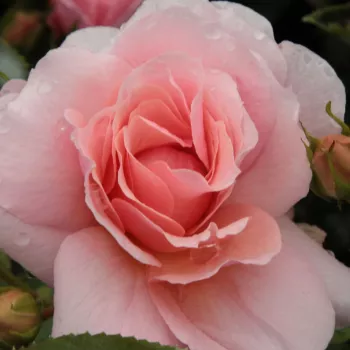
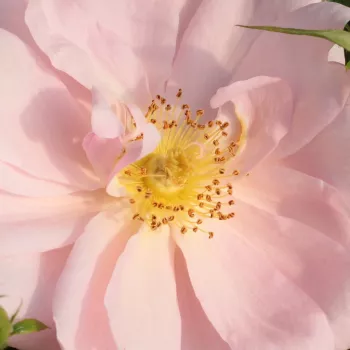
Semi-double, cup-shaped clusters of medium-sized blooms, typically 13–25 petals, produced on floribunda-style trusses; remontant habit with an especially abundant and reliable second flush. |
| Colour data and phenology |
Peach-pink flowers: buds deep peachy-orange, opening rich peach then fading to creamy pastel peach-pink; RHS 28C outer and 36C inner, with moderate colour retention over the flowering period. |
| Fragrance and aroma |
Mild but noticeable scent with a fresh, fruity character; not overpowering near seating or paths, offering a light, refreshing fragrance that complements the warm, seaside-inspired colour tones. |
| Hip characteristics |
Moderately abundant, spherical orange-red hips about 8–12 mm in diameter, extending season-long interest into autumn and adding subtle wildlife and decorative value after the main flowering. |
| Resistance and winter hardiness |
Medium resistance to powdery mildew, black spot and rust; hardy to approximately −26 to −23 °C (RHS H7, USDA 5b, Swedish zone 4), tolerates warmth but needs regular watering in prolonged dry spells. |
| Horticultural recommendations |
Best in sunny positions for strong flowering; suitable for beds, borders, hedging and large containers, spaced 55–100 cm apart, with 2.4–2.7 plants/m² in mass plantings and moderate, routine maintenance. |
CHEWGENTPEACH offers compact, repeat peach-pink flowering, a durable own-root structure and adaptable container or border use, making it a considered choice if you would like a long-lived, easygoing coastal-style rose.