CLEOPÁTRA™ – red-yellow dwarf mini rose
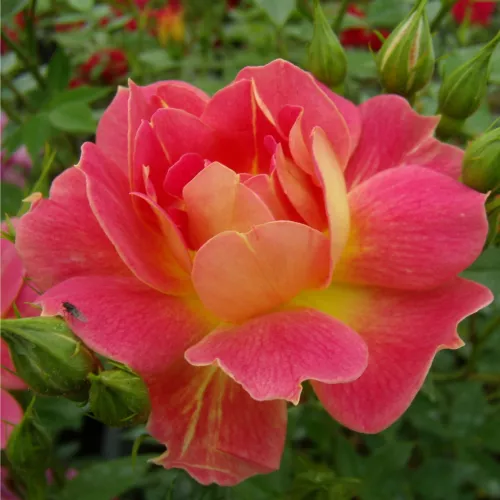
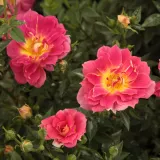
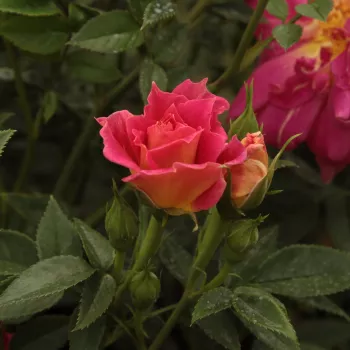
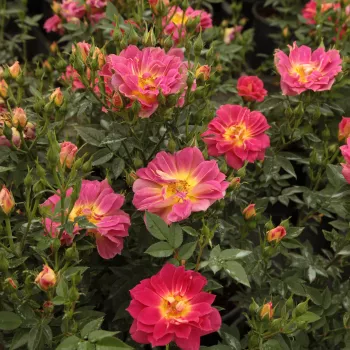
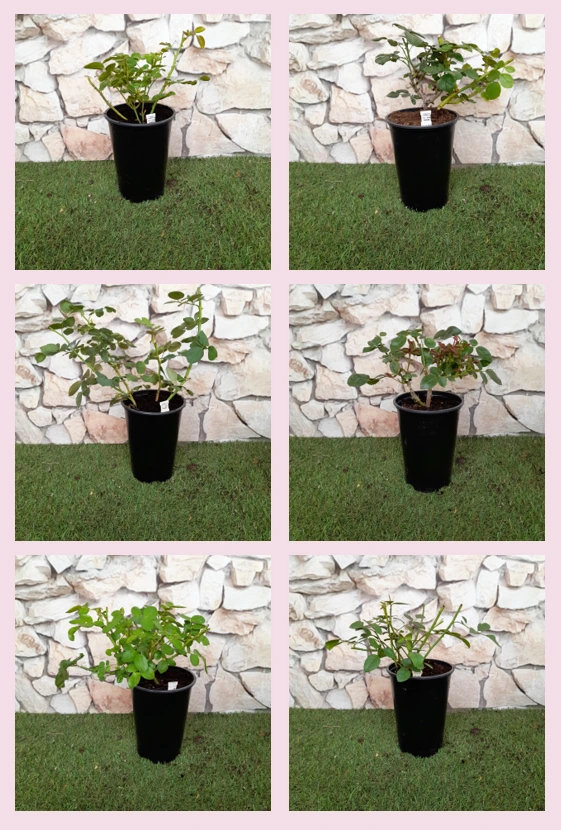
Enjoy a coastal cup of tea with Cleopátra™ as your bright, salt-tolerant backdrop: this compact mini rose thrives in breezy UK gardens, its roots anchoring confidently in well-drained soil even where winds and showers are frequent. The bushy habit and glossy foliage keep small family spaces looking effortlessly orderly, while clusters of double, crimson-and-yellow blooms repeat from early summer into autumn for lasting colour on verandas and shingle beds. Own-root planting means it regenerates steadily and offers a reassuringly long lifespan with fewer specialist tasks, ideal if you prefer low-key maintenance over constant tending. In the first year it settles and builds roots, the second year brings bolder shoots, and by the third season it reaches its full ornamental potential in your seaside-inspired retreat.
Usage options
| Target area | Reasoning |
|---|
| Small coastal front garden bed |
The compact, bushy structure and 30–40 cm height suit tight Cornish or Devon frontage beds where space is limited but you still want a defined rose presence without shading windows. Ideal for beginners. |
| Veranda or balcony container (40–50 L) |
Its miniature size and dense foliage make it easy to manage in a 40–50 litre pot, where regular watering and shelter from the harshest gales provide a long flowering season right by your seating area. Perfect for busy-owners. |
| Shingle or gravel strip with marine feel |
The modest spread and resilient foliage help it sit neatly among shingle, sea kale and ornamental grasses, providing bright colour where many plants struggle in exposed, breezy, moisture-variable coastal spots. Designed for coastal-lovers. |
| Low edging along a family path |
Planted at 25–30 cm intervals, it forms a tidy, child-friendly edging that softens paths without encroaching, while the glossy leaves and small thorns are easier to live with than taller, rangier roses. Practical for family-gardeners. |
| Mixed container with lavender or Festuca |
The red-yellow flowers contrast well with blue-grey grasses or lavender in a large container, and its remontant clusters keep the composition lively from summer to autumn, with little pruning required. Appealing to style-conscious. |
| Partially shaded terrace corner |
This variety tolerates partial shade, so it can brighten a terrace corner that gets only a few hours of sun, still producing coloured clusters while larger roses might sulk in the same position. Helpful for urban-owners. |
| Low-maintenance family flower bed |
Good disease resistance and modest water needs mean less spraying and fuss, and its repeat flowering keeps interest going between school runs and workdays, supporting a relaxed gardening routine. Reassuring for time-poor. |
| Long-term planting plan in a small garden |
As an own-root rose, it recovers better from damage and avoids suckering mismatched rootstock, gradually stabilising as a permanent feature that rewards patient care over many seasons in changing weather. Suited to forward-planners. |
Styling ideas
- Beach-border – combine Cleopátra™ with sea kale and silver foliage in a shingle bed for a soft coastal look – for coastal-lovers seeking an easy seaside atmosphere.
- Veranda-duo – plant in a 40–50 L pot with dwarf lavender to frame a small seating area – for balcony and terrace users wanting long colour with minimal care.
- Path-edging – line a short garden path with evenly spaced plants to create a neat, low hedge – for families who prefer tidy structure without high maintenance.
- Mini-mix – set Cleopátra™ among compact grasses like Festuca and feather-reed grass in a wide container – for design-focused owners who enjoy textural, modern plantings.
- Cottage-pocket – tuck it into a sunny gap with clematis ‘Little Artist’ climbing behind for layered height – for hobby gardeners enhancing small spaces with romantic detail.
Technical cultivar profile
| Parameter | Data |
|---|
| Name and registration |
Cleopátra™ is a miniature, dwarf rose marketed as CLEOPÁTRA™ – red-yellow dwarf mini rose within the Mini – dwarf rose collection; discovered and selected for compact habit and bicolour flowers. |
| Origin and breeding |
Parentage is unknown; the cultivar was discovered by pharmaROSA® and introduced in 1994 via PharmaRosa® Ltd. after selection for garden reliability and ornamental value in compact spaces. |
| Growth and structural characteristics |
Forms a compact, bushy shrub 30–40 cm tall and 25–35 cm wide, with dense, glossy dark green foliage and moderate thorns, naturally suited to edging, containers and small-scale bedding schemes. |
| Flower morphology |
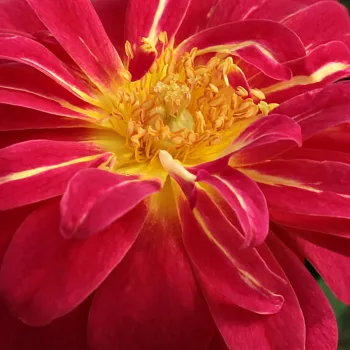
Produces small, cup-shaped double flowers with 26–39 petals in clustered inflorescences; remontant habit with an abundant second flush, giving reliable repeat blooms across the main season. |
| Colour data and phenology |
Petals show creamy yellow outer surfaces and vivid crimson red inner faces; colour holds well as flowers open, with only slight dulling of the red while the yellow reverse remains softly creamy. |
| Fragrance and aroma |
Light, delicately fruity scent that adds refinement without overwhelming confined spaces; primarily an ornamental variety, with flower form prioritising colour display rather than intense perfume. |
| Hip characteristics |
Occasionally sets small ellipsoid orange-red hips around 5–7 mm in diameter, adding subtle late-season interest without affecting its primary role as a decorative, repeat-flowering garden rose. |
| Resistance and winter hardiness |
Rated H7 and hardy approximately to −21 to −18 °C, with noted resistance to black spot, powdery mildew and rust when grown with reasonable air movement and appropriate watering practices. |
| Horticultural recommendations |
Best at 25–45 cm spacing, in well-drained soil with regular moisture; suitable for beds, edging and containers from about 40–50 litres, thriving with low-input care and modest annual pruning. |
CLEOPÁTRA™ offers compact repeat flowering, dependable disease resistance and long-lived own-root resilience for small coastal-inspired spaces, making it a thoughtful, low-effort addition to your garden planning.