COMTE DE CHAMBORD – pink historic Portland rose - Robert & Moreau
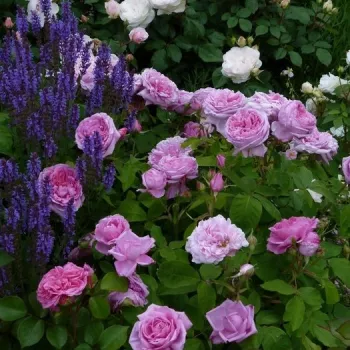
Imagine stepping onto your coastal veranda after a windswept walk, greeted by damask fragrance floating above shingle and pots – this historic Portland rose settles calmly into breezy British gardens, steadily building roots, then shoots, then full ornamental value by year three while coping well with salt‑laden winds and showers. Its heritage charm, richly pink rosettes and compact bushy habit fit beautifully into small family plots where space is precious yet you still want a generously scented focal point. Planted in a large container or open ground with good drainage, the own‑root form offers reassuring longevity and easy seasonal maintenance that even beginners can keep on top of between beach days.
Usage options
| Target area |
Reasoning |
| Coastal veranda container, 40–50 litre or larger |
Compact, upright growth and medium height make it ideal for a statement pot on a sunny, sheltered veranda, where its strong scent can be enjoyed close at hand; choose a 40–50 litre container with free‑draining compost for coastal beginners. |
| Small family garden feature by a seating area |
The very strong, classic damask perfume creates a sensory focus near a bench or tea corner, with one main flowering period that is easy to appreciate and tidy, suiting those who want atmosphere without constant tasks homeowners. |
| Traditional mixed border in heritage style |
Its historic pedigree and full, old‑rose blooms sit naturally among cottage‑garden perennials and grasses, giving a period feel that matures gracefully over many seasons for appreciative collectors. |
| Medium informal hedge or loose screen |
Bushy, upright plants spaced for hedging build into a fragrant, mid‑height screen that defines boundaries without feeling rigid, providing structure and privacy for relaxed family-gardeners. |
| Clay soil bed with improved drainage |
Moderately deep roots and own‑root resilience help it anchor well where soil is heavy, provided you improve drainage so excess rain can run off in exposed, showery conditions that challenge many gardeners. |
| Partial shade corner with morning or evening sun |
Tolerance of partial shade allows planting where buildings or fences limit full sun, as long as there are a few good light hours to support flowering, making awkward spots more rewarding for busy urbanites. |
| Cut flower supply from a home rose bed |
Large, very double, mid‑pink blooms with a rich scent are excellent for short‑stemmed indoor arrangements during their main flush, letting you harvest nostalgic, perfumed bunches directly for everyday users. |
| Low‑input, long‑term planting in historic or park‑style schemes |
Proven awards and long use in gardens show it remains reliable over decades, with own‑root plants regenerating well after hard pruning and coping steadily with salt‑touched winds and rain, reassuring cautious buyers. |
Styling ideas
- Coastal-Nostalgia – Plant in a large clay pot with sea‑washed pebbles as a mulch, paired with sea kale or Festuca to echo shingle shores – ideal for coastal veranda owners.
- Tea-Corner – Place near a bistro set on a sheltered patio and underplant with creeping thyme to release extra scent underfoot – perfect for relaxed afternoon tea lovers.
- Heritage-Border – Combine with Deschampsia and a smoke bush backdrop for a soft, hazy, period feel – suited to enthusiasts of romantic, historic gardens.
- Girly-Pastel – Mix its pink blooms with lavender and pale grasses in a small front garden for a light, feminine look – attractive to those favouring gentle, pastel schemes.
- Fragrance-Walk – Line a short path with widely spaced bushes so their perfume greets you on breezy days – appealing to families who enjoy everyday sensory experiences.
Technical cultivar profile
| Parameter |
Data |
| Name and registration |
Comte de Chambord is a historic Portland rose marketed as a heritage rose; the cultivar is unregistered, with long use in traditional gardens and confirmed authenticity for specialist collections. |
| Origin and breeding |
Bred in France around 1858 by André Robert and François Moreau from ‘Duchesse de Portland’ × ‘Baronne Prévost’, first introduced by Moreau‑Robert in 1863 for ornamental garden use. |
| Awards and recognition |
Holds the RHS Award of Garden Merit since 1993 and was admitted to the World Federation of Rose Societies Old Rose Hall of Fame in 2022, reflecting durable, worldwide garden value. |
| Growth and structural characteristics |
Forms a bushy, upright shrub 80–130 cm high and wide, with moderately dense, mid‑green, slightly glossy foliage and relatively sparse thorns, suited to beds, borders and low informal hedging. |
| Flower morphology |
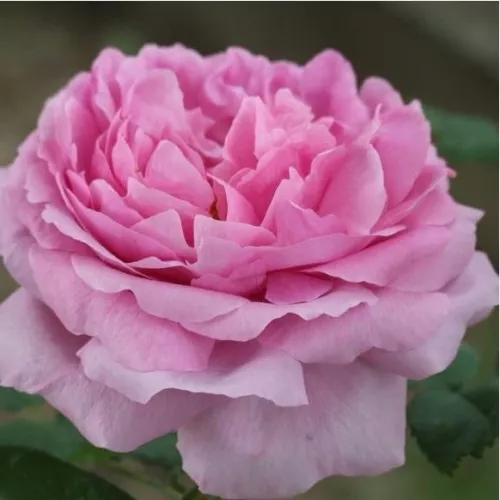
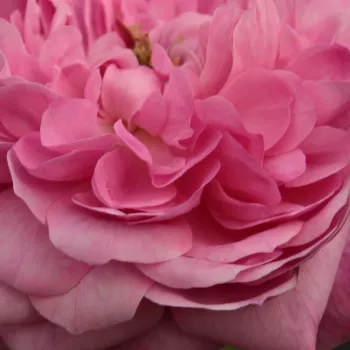
Produces large, very double, cup‑shaped blooms in clusters, each with over 40 petals; the once‑flowering habit provides one main, impressive flush rather than repeat blooms through the season. |
| Colour data and phenology |
Flowers open deep mid‑pink with a silvery sheen, later softening to pastel tones; colour remains richer in cooler weather and fades more in strong sun, giving subtle seasonal variation in display. |
| Fragrance and aroma |
Highly perfumed with a classic damask character, the scent is strong enough to notice from a distance, making it particularly valued for seating areas and cut flowers where fragrance is important. |
| Hip characteristics |
Very double blooms usually prevent good hip set; occasional hips are small, red, ovoid and mainly of botanical interest rather than ornamental significance in typical family garden settings. |
| Resistance and winter hardiness |
Shows good hardiness to about −29 °C, coping with cold British winters; disease resistance is moderate overall, with good resistance to powdery mildew and black spot, and moderate rust tolerance. |
| Horticultural recommendations |
Best in fertile, well‑drained soil with regular watering during dry spells; prune to maintain shape and remove spent blooms, using spacings of 90–180 cm depending on hedge, group or specimen use. |
COMTE DE CHAMBORD offers richly scented blooms, compact bushy growth and long-term own-root reliability, making it a thoughtful choice for relaxed coastal or family gardens where you prefer beauty with modest effort.