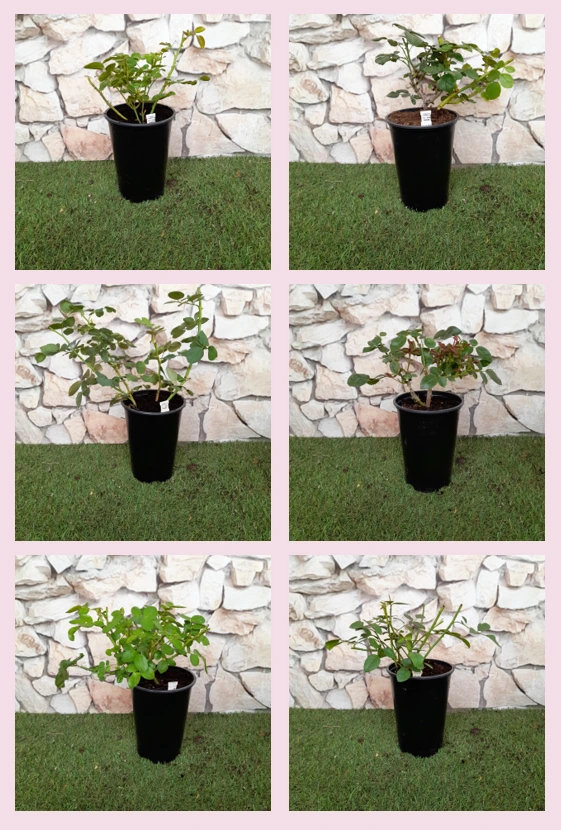
COMTESSE DE PROVENCE – pink hybrid tea rose – Meilland
Imagine a sheltered coastal veranda where you can enjoy afternoon tea behind a gentle rose windbreak, even after a blustery walk on the beach. COMTESSE DE PROVENCE forms a tall, bushy, upright presence that copes calmly with brisk sea breezes while its own-root system steadily anchors itself in well-prepared soil. From mid-spring onwards, the XL hybrid tea blooms open in sumptuous rosettes of warm salmon-pink, fading softly to cream-rose as the days grow brighter. Strong, peachy fragrance drifts around shingle paths and balconies, creating a refined, “girly” coastal mood without demanding complex care routines. Medium maintenance means straightforward pruning and occasional plant protection are usually sufficient in UK gardens; in return, you gain a long-lived, familiar garden companion that settles in gradually and rewards regular watering through dry spells. Over time the own-root habit encourages quiet regeneration, so even if the top growth is stressed, the plant can renew itself from the base. Give your 2-litre plant a sunny, well-drained position, perhaps raised slightly above heavier clay, and allow it space to mature into a vertical accent. With patient care it follows a natural development arc – first putting energy into roots, then building shoots and finally reaching full ornamental value with abundant, romantic blooms.
Usage options
| Target area | Reasoning |
|---|
| Coastal veranda windbreak in large containers |
In a 40–50 litre container COMTESSE DE PROVENCE forms a tall, narrow screen, softening wind on balconies or roof terraces while adding height without overwhelming small spaces; ideal for seaside apartment owners and urban coastal beginners. |
| Feature rose for small front gardens |
The erect, bushy habit and XL hybrid tea flowers provide a strong vertical accent for modest plots, creating structure along drives or paths with limited footprint; well suited to busy homeowners wanting classic impact with manageable maintenance. |
| Romantic “girly” seating corner |
Warm salmon-pink rosettes and fruity, peachy perfume form a soft, feminine backdrop to bistro chairs or a garden bench, working beautifully with pastels and coastal textiles; perfect for those dreaming of a refined, seaside-inspired retreat for relaxation. |
| Cut flower and home arrangements |
Long-stemmed, very double blooms make elegant, fragrant cuts, bringing the Countess’s salon atmosphere indoors and offering a dependable source of flowers through the remontant season; appealing to creative home decorators and casual floral enthusiasts. |
| Mixed perennial and rose borders |
Its mid-green, slightly glossy foliage and medium maintenance needs integrate well with low-key perennials such as lavender and verbena, providing repeat flushes of colour among textured foliage; suitable for time-pressed family-garden gardeners. |
| Own-root long-term specimen planting |
Planted as a solitary rose with recommended spacing, the own-root plant builds a durable framework that can regenerate from the base after hard pruning or winter damage, supporting a long-lived presence; reassuring for those seeking lasting garden structure. |
| Coastal-style shingle or gravel beds |
In well-drained shingle with improved planting pockets, the dense, upright bush stands up to blustery, salty breezes near the coast, giving reliable height and floral interest in exposed spots; suited to Cornwall and Devon coastal garden owners. |
| Informal flowering hedge or backdrop |
Planted at hedge spacing, the erect habit and repeat flowering form a loose screen behind lower plants, providing privacy and seasonal colour without clipped formality; a good option for families wanting a soft boundary with minimal fuss. |
Styling ideas
- Coastal Veranda Duo – Combine COMTESSE DE PROVENCE in 50 litre tubs with blue-grey Festuca and white gravel to echo beach tones – ideal for balcony owners seeking a breezy seaside feel.
- Romantic Tea Corner – Place a single specimen beside a bistro set, underplanted with soft pink pelargoniums in containers – perfect for homeowners creating a feminine afternoon-tea nook.
- Shingle Ribbon Border – Line a shingle path with spaced roses and patches of sea kale to add height and fragrance – suited to coastal-style lovers wanting low-lawn, easy-care structure.
- Pastel Perennial Mix – Pair with Lavandula angustifolia and pale Verbena bonariensis in a sunny bed for layered scent and movement – appealing to beginners favouring simple but elegant combinations.
- Cutting Patch Focus – Dedicate a small bed to COMTESSE DE PROVENCE with neat edging and access for cutting – for hobby gardeners who enjoy arranging their own fragrant roses indoors.
Technical cultivar profile
| Parameter | Data |
|---|
| Name and registration |
Hybrid tea rose, registered as MEIbacus, marketed as COMTESSE DE PROVENCE Romantica; ARS exhibition name COMTESSE DE PROVENCE; part of the Romantica collection for garden and cut use. |
| Origin and breeding |
Bred by Alain Antoine Meilland in France from (‘Centenaire de Lourdes’ × ‘Duke of Windsor’) × ‘Regatta’; bred 2001, registered 2003, introduced 2006 in France and 2007 in the United States. |
| Growth and structural characteristics |
Strong, erect, bushy shrub reaching around 130–170 cm high and 85–115 cm wide; dense, mid-green, slightly glossy foliage and moderate prickliness; best used with generous spacing for air movement. |
| Flower morphology |
Very double, rosette-shaped hybrid tea blooms with 40+ petals, borne mostly singly on stems; XL flower size around 3.5 inches, with remontant habit giving repeat flushes and abundant second flowering in season. |
| Colour data and phenology |
Warm salmon-toned mid-pink with ARS pink blend, RHS 36C–36A; buds pale salmon-pink outside, deeper within; colour lightens to cream-rose or salmon tones as blooms age, particularly in warm, dry conditions. |
| Fragrance and aroma |
Noted for a strong, distinctly fruity, peachy perfume typical of Romantica roses; scent most pronounced in warm, still weather; primarily ornamental rather than for culinary or cosmetic use in the average family garden. |
| Hip characteristics |
Occasionally forms small, spherical orange-red hips about 10–14 mm in diameter; hips usually scattered rather than profuse and of incidental ornamental interest rather than a main display feature. |
| Resistance and winter hardiness |
Rated H7, hardy to approximately –21 to –18 °C (USDA 6b, Swedish zone 3); medium overall disease resistance with good tolerance to powdery mildew and black spot but only medium resistance to rust in damp seasons. |
| Horticultural recommendations |
Prefers sunny, well-drained soil; medium maintenance with occasional plant protection and deadheading; regular watering in prolonged drought; spacing 85–160 cm depending on hedge or specimen use ensures vigour and airflow. |
COMTESSE DE PROVENCE offers tall, fragrant hybrid tea blooms, reliable remontant flowering and a regenerating own-root framework; consider it as your long-term, gently maintained focal rose for garden or veranda.