CONSTANCE FINN – light pink bedding floribunda rose - Harkness
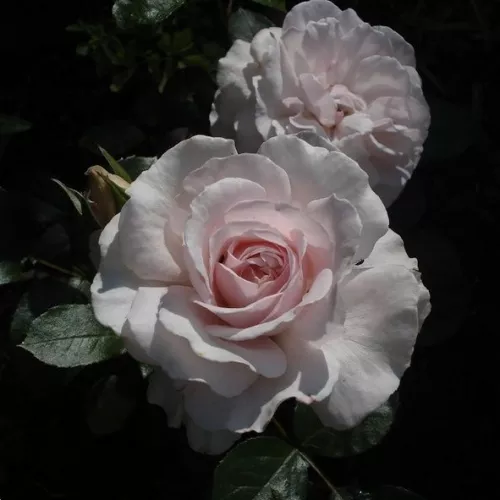
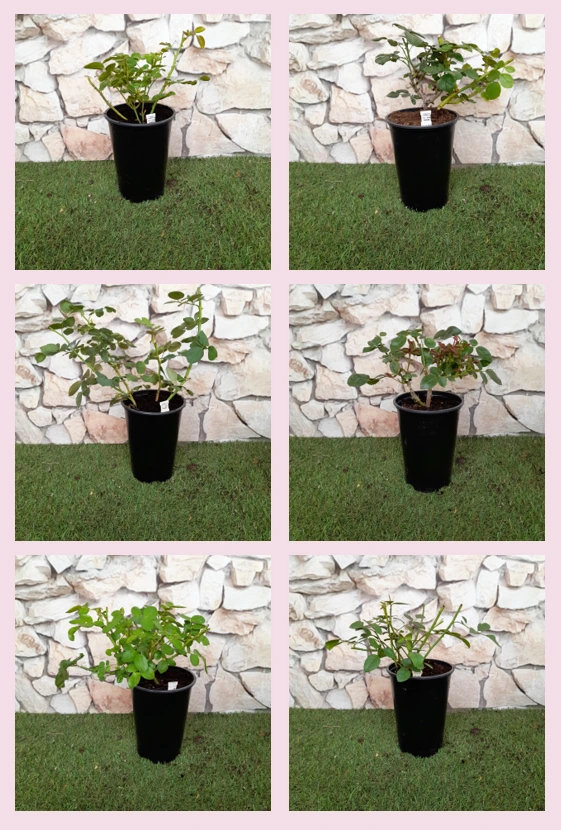
Imagine returning from a breezy Cornish beach, pouring tea in a sheltered corner and being greeted by Constance Finn’s pastel blooms: a compact floribunda that copes calmly with brisk coastal winds and fits neatly into small family gardens. Its upright growth and dense, glossy foliage build a soft, reliable screen, while clusters of large, very double flowers repeat through the season in a refined, shell‑pink palette. Bred by Harkness and supplied on its own roots, it is a thoughtful long‑term investment for those who prefer steady performance to fuss: plant once, water and feed sensibly, and it will reward you year after year. Expect roots to establish in the first season, stronger flowering shoots in the second, and full ornamental impact by the third, all with medium maintenance and average disease resistance that suit busy but style‑conscious coastal gardeners.
Usage options
| Target area | Reasoning |
|---|
| Coastal veranda planters (40–60 litre containers) |
The upright habit and 95–130 cm height give good presence in larger pots without overwhelming a seating area, while its ability to remain composed in blustery coastal weather keeps displays neat on exposed verandas for style‑focused beginners. |
| Small family front gardens |
Compact spread and controlled height help structure modest front gardens without shading windows, and the pastel shell‑pink flowers bring a welcoming, not overpowering, look that stays attractive from pavement level for busy householders. |
| Salt‑tolerant shingle or gravel beds |
This variety is well suited to breezy sites where light salt spray and shifting coastal air demand sturdy, well‑anchored shrubs that hold their form, making it a dependable choice in informal shingle schemes for coastal homeowners. |
| Low flowering hedge or path edging |
Planted 40–50 cm apart, the upright structure and dense dark‑green foliage knit into a soft, low hedge that frames paths and lawns, repeatedly studded with pale pink blooms, ideal for families wanting gentle boundaries rather than hard fencing. |
| Romantic “girly” seating corner |
The large, very double flowers in delicate, powder‑pink tones and strong, old‑rose scent create a distinctly feminine, tea‑time mood around a bench or bistro set, perfect for those seeking a calm, pastel coastal‑inspired retreat. |
| Mixed perennial and grass borders |
Its reblooming performance and neat footprint allow it to weave between clumps of sea kale, Festuca or lavender, providing repeat vertical accents of pale pink without overwhelming companion plants, suiting gardeners who enjoy soft, naturalistic borders. |
| Seasonal feature in family entertaining areas |
Reliable repeat flowering and noticeable fragrance mean patio or barbecue zones feel “dressed” for longer, with flowers that show well in evening light and withstand regular use nearby, appreciated by sociable families short on time for intricate upkeep. |
| Cut‑flower picking spot near the back door |
Long‑stemmed, cup‑shaped blooms with a strong scent lend themselves to casual bunches for the kitchen table, and the shrub’s moderate maintenance needs keep this picking patch manageable for new or time‑pressed home flower arrangers. |
Styling ideas
- Shell‑pink veranda – Place one rose in a 50–60 litre pale stone pot with silvered decking furniture and sea‑grass cushions – ideal for coastal veranda owners wanting an easy focal point.
- Girly shingle corner – Combine with sea kale, low Festuca and soft throws on Adirondack chairs for a beach‑hut feel – for those who love a feminine, seaside garden palette.
- Pastel path edging – Plant a short run along gravel paths, alternating with lavender mounds to echo cottage‑style borders – suited to families wanting pretty structure without heavy pruning.
- Tea‑time seating nook – Flank a small bistro set with two roses underplanted with aubrieta spilling over edging stones – perfect for beginners creating a romantic, low‑effort escape.
- Entertaining terrace – Group in large containers with crocosmia and feverfew for movement, fragrance and soft light‑pink colour – for sociable homeowners who like relaxed but coordinated summer gatherings.
Technical cultivar profile
| Parameter | Data |
|---|
| Name and registration |
Floribunda bedding rose; registered as HAReden, marketed as Constance Finn. Exhibition floribunda category, feminine given‑name origin, ARS exhibition name Constance Finn for show and catalogue use. |
| Origin and breeding |
Bred by Robert Harkness of R. Harkness & Co. Ltd., United Kingdom, with both breeding and commercial introduction recorded in 1997, reflecting late twentieth‑century floribunda selection priorities. |
| Awards and recognition |
Holder of the R. J. Frizzell Award for Most Fragrant Rose in Belfast, 1999, plus DGAA Homelife Centenary Rose award, confirming strong scent and reliable garden performance under varied judging conditions. |
| Growth and structural characteristics |
Upright shrub reaching about 95–130 cm in height and 55–85 cm spread, moderately thorny, with dense, dark green, glossy foliage forming a compact, leafy framework suitable for bedding or low hedging. |
| Flower morphology |
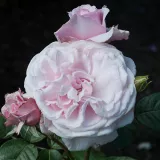
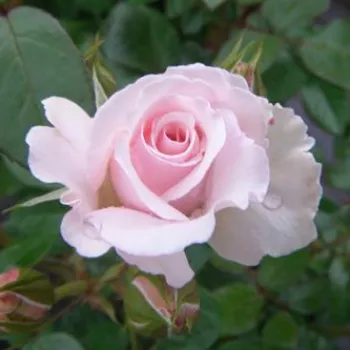
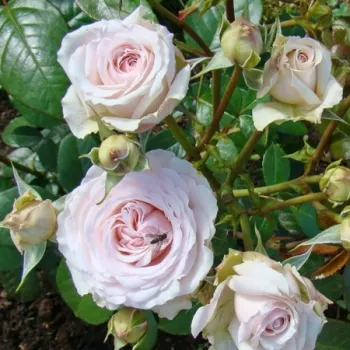
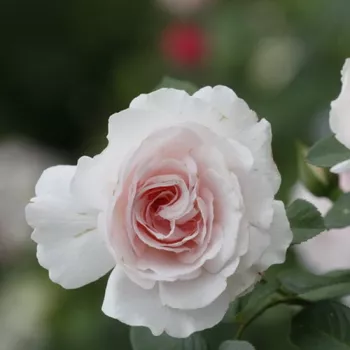
Large, very double, cup‑shaped blooms with over forty petals, mostly borne singly on stems, repeating well through the season so that both first and second flushes are notably abundant and showy. |
| Colour data and phenology |
Light shell‑pink pastel tones; buds powder pink, opening to delicate porcelain‑like centres, then fading to very pale pink with almost white outer petals and a subtle whitish‑lilac, pearly veil before petals drop. |
| Fragrance and aroma |
Strong, distinctive perfume with a rich old‑rose character noted in trial reports and awards, contributing significantly to sensory impact around seating areas and as a cut flower indoors. |
| Hip characteristics |
Hip set generally limited by very double flowers; where pollination succeeds, produces occasional small, spherical orange‑red hips about 8–12 mm in diameter, adding modest late‑season interest. |
| Resistance and winter hardiness |
Rated to around −21 to −18 °C, RHS H7, USDA zone 6b, with black spot resistance described as good and powdery mildew and rust showing moderate susceptibility requiring occasional monitoring. |
| Horticultural recommendations |
Medium maintenance with average disease resistance; allow 40–75 cm spacing depending on use, water and feed regularly, and perform periodic health checks and light pruning to sustain flowering and shape. |
Constance Finn offers a compact, fragrant, repeatedly flowering shell‑pink display on a durable own‑root framework, making it a graceful, long‑lived choice for coastal‑inspired family gardens worth considering now.