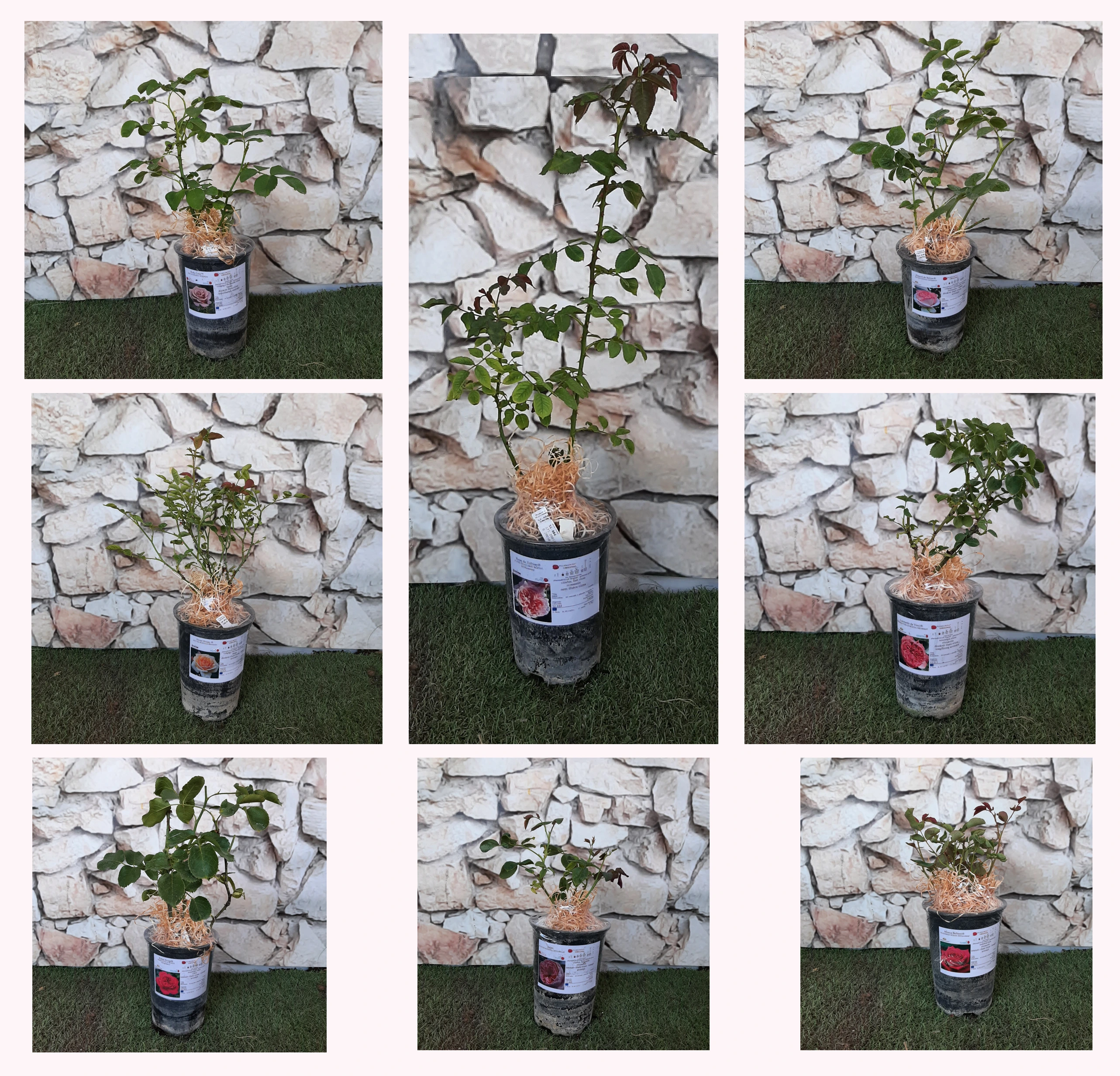
CONSTANCE SPRY – pink climbing rose – Austin
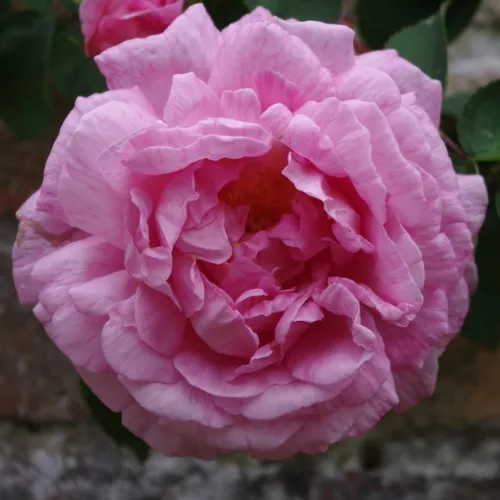
Bring the soft romance of an English seaside terrace into your own garden with Constance Spry, a vigorous climbing rose that feels perfectly at home on a Cornish-style veranda or sheltered coastal fence, where it copes confidently with blustery winds and unsettled weather while rewarding you with one unforgettable summer flush of sumptuous, mid-pink rosette blooms. Its very strong myrrh fragrance lends a sense of refreshment to tea on the patio, while the dense, matt foliage quickly clothes arches, arbours and pergolas to create a private, wind-tamed corner for family life. As an own-root rose it offers reassuring longevity, regenerating from the base and keeping its ornamental value steady over the years with only light seasonal attention, so you can enjoy its naturalistic character without constant pruning worries. Low maintenance planting is made easier by its reliable disease resistance, particularly in cooler, breezier districts, and by its readiness to settle into heavy soils once drainage is in hand. Over three seasons it gradually moves from building strong roots, to filling out its framework of shoots, before delivering its full curtain of flowers and glowing rose hips that carry the coastal mood well into autumn.
Usage options
| Target area |
Reasoning |
| Coastal veranda windbreak |
Trained along a veranda rail or upright supports, Constance Spry forms a leafy, flowered screen that takes the edge off salt-laden breezes while remaining easy to manage. Ideal for those wanting shelter and scent with minimal fuss for the coastal homeowner. |
| Family pergola or arbour |
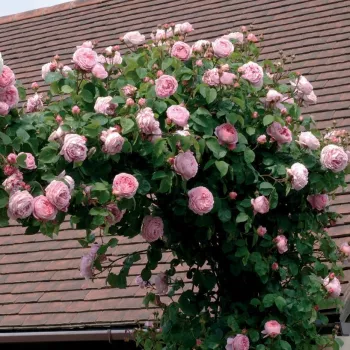
Its vigorous growth and dense foliage quickly clothe pergolas and arbours, providing dappled shade and a sense of enclosure above a seating area. Once established, simple tying-in and a light annual tidy are usually enough for the busy family. |
| Low-maintenance garden backdrop |
Against fences or walls it creates a generous, flower-laden backdrop that hides boundaries and sheds, yet asks little more than occasional deadheading and winter pruning. Strong disease resistance keeps the display clean for the time‑pressed gardener. |
| Seasonal showpiece climber |
Although it flowers once, the main flush is abundant, scented and memorable, turning a corner of the garden into a summer highlight. The rest of the year, the healthy foliage and hips maintain structure and interest for the occasional gardener. |
| Part-shade house wall |
Constance Spry tolerates partial shade, so it performs well on walls that see only morning or afternoon sun, especially in cooler British summers, offering roses where other climbers may sulk for the urban terrace owner. |
| Naturalistic coastal-style planting |
Threaded through sea kale, ornamental grasses and low catmint, it echoes relaxed seaside gardens with its soft pink flowers and informal habit, complementing shingle or gravel surfaces for the coastal‑style enthusiast. |
| Large container on sheltered patio |
In a sturdy 40–50 litre container with good drainage, it can be trained on a trellis or obelisk to bring height, fragrance and colour to small patios, suiting renters or those with limited soil for the container gardener. |
| Long-lived feature for heavy soils |
Once drainage is improved at planting, its own-root vigour and strong framework anchor it securely and maintain performance over many seasons, an advantage where clays can shift and crack in British weather for the long‑term planner. |
Styling ideas
- Veranda-Nook – Train Constance Spry along the rail of a sheltered veranda, underplanted with sea kale and low Festuca for a breezy coastal feel – perfect for tea drinkers who want a calm seaside corner.
- Romantic-Pergola – Cover a simple timber pergola over a family seating area, pairing with Nepeta and lavender at the base – suited to families seeking shade, scent and privacy with little upkeep.
- Shingle-Backdrop – Grow against a fence behind shingle or gravel, interplanted with Carex and creeping bugle for a soft, naturalistic screen – ideal for gardeners aiming at a low‑maintenance, beach‑inspired border.
- Courtyard-Obelisk – In a 50 litre container, spiral stems around a tall obelisk to create height and fragrance on a compact patio – a good choice for townhouse owners with only hard landscaping.
- Cottage-Hedge – Space plants along a boundary to form a loose, informal flowering line, leaving room for perennials between them – appealing to those who like relaxed structure rather than rigid hedging.
Technical cultivar profile
| Parameter |
Data |
| Name and registration |
Constance Spry is a large-flowered climbing shrub rose; registered and traded under the same name across English Rose collections, recognised by major rose societies for exhibition use. |
| Origin and breeding |
Bred by David C. H. Austin in the United Kingdom from ‘Belle Isis’ × ‘Dainty Maid’; introduced and distributed by David Austin Roses Ltd in 1961 as his first English Rose. |
| Awards and recognition |
Holds the Royal Horticultural Society Award of Garden Merit (1993) and the Royal National Rose Society Award of Garden Merit (1996), confirming reliability and ornamental value in UK gardens. |
| Growth and structural characteristics |
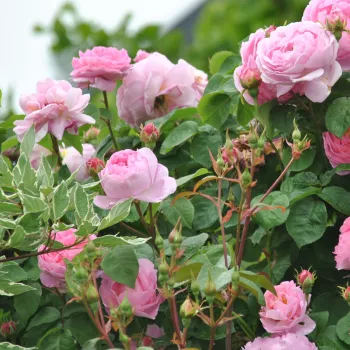
Vigorous, upright climber or tall shrub reaching around 2.5–4 m in height and 1.8–3.2 m spread, with dense, light green, matt foliage and moderate prickles; needs support and tying in. |
| Flower morphology |
Large, very double rosette blooms with over 40 petals, borne mainly in clusters; non‑remontant once‑flowering habit provides one abundant main flush in early summer on established wood. |
| Colour data and phenology |
Mid‑pink flowers, slightly warm in tone; buds are richer pink, petals pale slightly as they age, especially in strong sun. Colour remains more intense in cooler, overcast conditions typical of many UK seasons. |
| Fragrance and aroma |
Very strong, rich myrrh fragrance that can be appreciated from a distance in still air; suitable for cutting to bring scent indoors and valued by enthusiasts of old rose and herbaceous perfume notes. |
| Hip characteristics |
Produces numerous ellipsoidal hips, around 14–22 mm, in orange‑red tones. Hips are both decorative and edible when correctly prepared, extending visual interest well beyond the flowering period. |
| Resistance and winter hardiness |
Good overall disease resistance, showing strong tolerance to black spot, powdery mildew and rust under normal care. Hardy to approximately −26 to −23 °C (RHS H7; USDA 5b), suitable for most UK regions. |
| Horticultural recommendations |
Best on fertile, well‑drained soil with regular watering in dry spells; dislikes prolonged drought. Plant 1.5–2.75 m apart depending on effect; provide sturdy supports and prune after flowering. |
Constance Spry brings vigorous climber coverage, a spectacular scented summer display and long-lived own-root reliability to family gardens and coastal-style verandas, making it a thoughtful choice for relaxed, enduring planting.