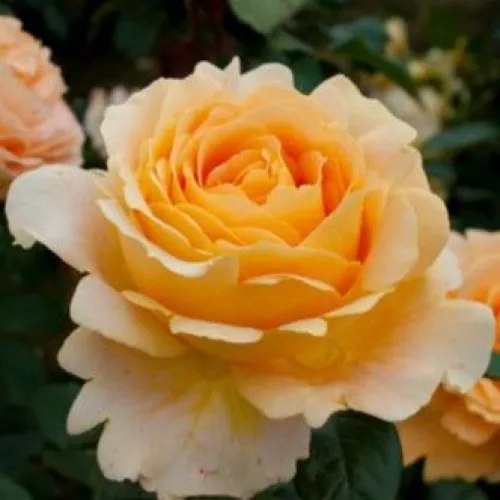
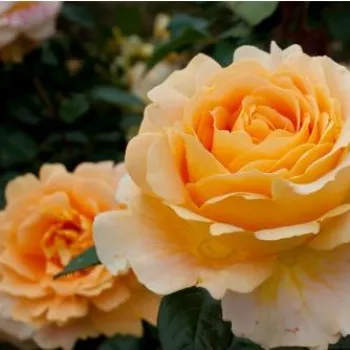
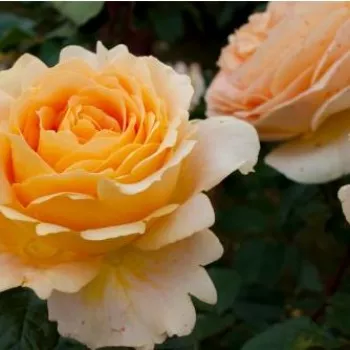
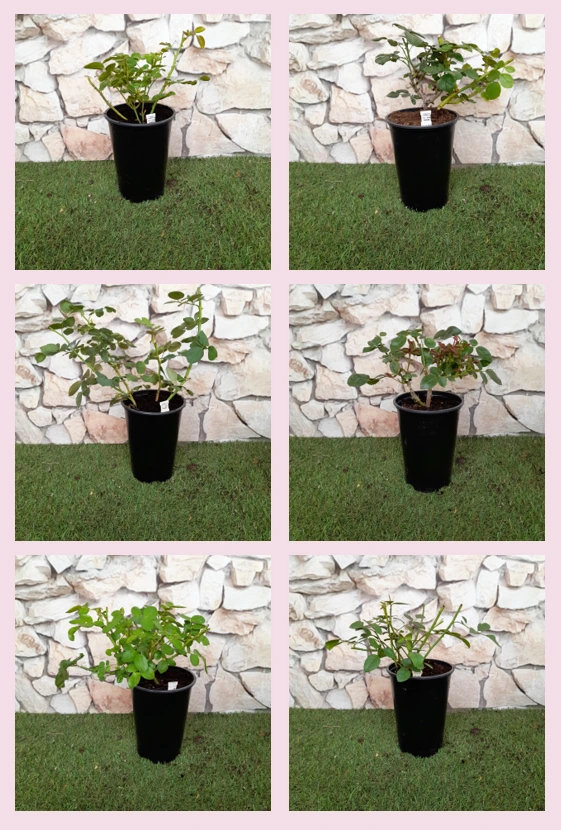
CRÈME BRÛLÉE – cream-yellow tea-hybrid rose - Evers
Imagine returning from a breezy coastal walk to enjoy tea behind a gentle rose screen, where CRÈME BRÛLÉE settles calmly into shingle or clay with roots that anchor well despite blustery, salt-touched air and quick-draining beds. This own-root hybrid tea offers medium-height structure for small gardens, giving you elegant, upright stems that slip easily into vases without fuss. Its creamy, mocha-tinted blooms repeat through the season for relaxed reliability, while the medium, delicately spicy fragrance adds quiet comfort to verandas and sheltered seating areas. With no graft to outgrow, it keeps its ornamental character year after year, regenerating from the base for lasting longevity as it moves from establishing roots to stronger shoots and finally full garden presence over the first three seasons.
Usage options
| Target area |
Reasoning |
| Coastal veranda container, 40–50 litre pot |
Compact, upright growth and moderate height make this rose easy to manage in a generous 40–50 litre container on a veranda, where its creamy blooms and scent are close at hand, ideal for a sheltered Cornish or Devon balcony for the beginner. |
| Small family front garden focal point |
As a single specimen near the front door, the medium-sized, cup-shaped flowers lend a refined look without overwhelming a modest space, while own-root growth supports a stable outline over many seasons for the busy homeowner. |
| Cutting bed for home arrangements |
Long, straight, florist-bred stems and large hybrid tea blooms make it well suited to cutting, bringing its caramel-cream tones indoors repeatedly through the summer for the style-conscious gardener. |
| Mixed coastal border with grasses |
Planted among low ornamental grasses or sea-themed perennials, its warm cream-yellow flowers add gentle contrast and height, standing reliably in wind where good anchoring and drainage help in exposed gardens for the coastal-plot owner. |
| “Girly” seating nook windbreak |
A short row around a bench forms a light visual screen, the repeated, softly coloured blooms and noticeable fragrance creating an intimate, feminine corner for relaxed afternoon tea for the romantic garden lover. |
| Family back garden rose bed |
Moderate maintenance needs and repeat flowering make it a practical choice for a family border, offering colour over a long season without demanding specialist care from the time-pressed garden beginner. |
| Park-style planting in private plots |
When planted in a loose group at recommended spacing, the uniform, upright habit produces a calm, structured rhythm of blooms that reads as professional, park-like design for the aspirational plot owner. |
| Regenerating long-term feature in settled beds |
Own-root habit allows the shrub to regrow strongly from the base after pruning or weather damage, preserving flower quality and colour without concern over rootstock shoots, reassuring the long-view garden planner. |
Styling ideas
- Seaside-veranda chic – Position one plant in a 50 litre clay pot with pale gravel mulch and a folding bistro set, ideal for coastal-style lovers seeking an easy, elegant tea corner – coastal veranda owners.
- Cream-and-grass harmony – Underplant with low Miscanthus sinensis and silver-blue Festuca to echo dune textures while the warm blooms soften the scheme – design-aware small-garden gardeners.
- Romantic shell corner – Edge a shingle seating area with three shrubs and scattered seashells, pairing with soft pink Geranium macrorrhizum for a “girly” holiday feel – lovers of relaxed romantic gardens.
- Cut-flower strip – Line a sunny fence with a narrow row, leaving access for easy stem cutting to fill home vases with caramel-toned flowers – hobby florists and home entertainers.
- Calm entry welcome – Flank a front path with matching plants in large containers, combining with low lavender for structure, scent, and year-round neatness – busy homeowners wanting tidy kerb appeal.
Technical cultivar profile
| Parameter |
Data |
| Name and registration |
Hybrid tea rose for garden and florist use, registered as TANoniccu, marketed as Crème brûlée hybrid tea rose TANoniccu; ARS exhibition name Cappuccino for cut-flower showing. |
| Origin and breeding |
Bred by Hans Jürgen Evers for Rosen Tantau, Uetersen, Germany; bred 1997, introduced and registered in 2005 by Tantau Roses as a premium hybrid tea with exhibition potential. |
| Growth and structural characteristics |
Compact, upright bush 60–85 cm high and 50–70 cm wide, moderately thorny, with moderately dense, slightly glossy dark green foliage that forms a neat, medium-height shrub in beds or containers. |
| Flower morphology |
Large, double, cup-shaped blooms with 26–39 petals, usually solitary on stems; medium-height flower form gives a classic hybrid tea profile, with abundant repeat flowering throughout the season. |
| Colour data and phenology |
Warm cream-yellow base with mocha-yellow depth; buds butter to cream-yellow, maturing to creamy ochre, then gently fading toward pastel cream and pale beige in strong sun or cooler conditions. |
| Fragrance and aroma |
Medium-strength, clearly noticeable scent combining delicately spicy and fruity notes, evident both in the garden and on cut stems, adding aromatic interest without becoming overpowering in small spaces. |
| Hip characteristics |
Occasionally produces small, spherical hips 8–12 mm across, in orange-red tones, offering modest late-season interest without significantly affecting the plant’s primary use as a cut-flower and garden rose. |
| Resistance and winter hardiness |
Hardy to approximately −21 to −18 °C (RHS H7, USDA 6b, Swedish zone 3); disease resistance moderate to powdery mildew, black spot, and rust, benefiting from standard preventative care in damp seasons. |
| Horticultural recommendations |
Best in full sun with well-drained soil; plant 50–60 cm apart, or 100 cm for specimens; medium maintenance, requiring periodic deadheading and routine monitoring for common rose diseases and pests. |
CRÈME BRÛLÉE Hybrid tea rose TANoniccu offers compact structure, repeat creamy blooms and a useful cutting supply, while its own-root form supports long-term, reliable performance in your family garden; consider it where you want lasting, gentle elegance.