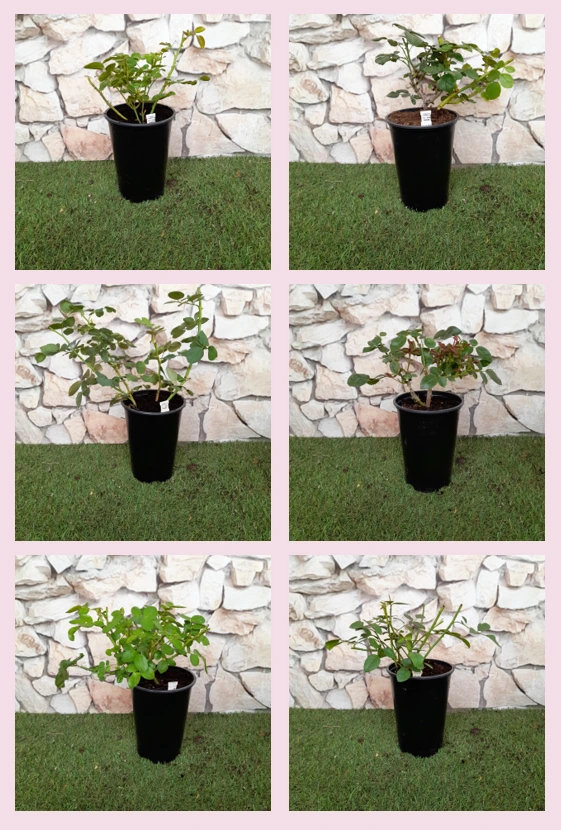
CREME CHANTILLY® – white bedding floribunda rose – Radler
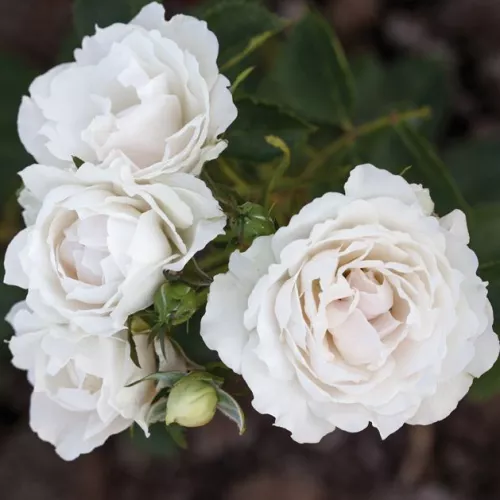
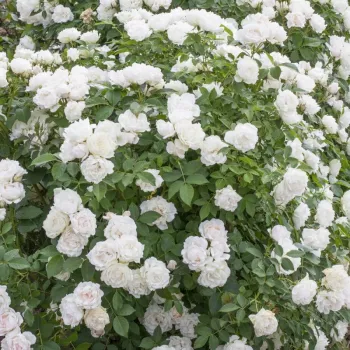
Think of seaside afternoons: salty air, collected shells and a sheltered cup of tea, as CREME CHANTILLY® builds a low, bushy green windbreak that shrugs off blustery coastal weather while keeping its cool white poise. This compact floribunda fits easily into family plots and small verandas, giving an almost continuous show of soft cream-white blooms from early summer well into autumn. Its reliable flowering rhythm and excellent disease resistance keep maintenance pleasantly simple, so you mainly enjoy the display rather than work for it. Own-root plants settle steadily, bringing a long-lived, regenerating structure that anchors beds and containers alike. In a large 40–50 litre pot or open border, this hardy, low hedge-forming bedding rose builds from roots in the first year, more generous shoots in the second, and full ornamental value by the third for an enduring coastal-style retreat.
Usage options
| Target area | Reasoning |
|---|
| Coastal family front garden border |
Dense, bushy growth and good wind tolerance make this variety well suited to exposed Cornish or Devon front gardens where space is limited but you still want a smart, flowering edge. Ideal for beginners and time-poor homeowners |
| Low flowering hedge along a drive or path |
Regular repeat flowering and compact height create a low, white hedge that defines boundaries without blocking light, especially effective at the 65 cm spacing recommended for hedging. A practical choice for visually tidy gardeners |
| Large container on a sunny veranda |
Performs reliably in a 40–50 litre pot, where the own-root system gradually fills the compost and supports repeat flushes of bloom, giving a soft white focal point beside outdoor seating. Well suited to style-conscious balconists |
| Shingle or gravel planting with seaside character |
Tolerant of heat and moderate drought once established, it partners well with free-draining substrates and light mulches, evoking a relaxed shingle-garden mood with its off-white, cream-tinted flowers. Attractive for coastal-theme enthusiasts |
| Urban courtyard or small back garden |
High resistance to black spot, mildew and rust, plus good tolerance of urban conditions, keeps foliage presentable where air circulation can be poor and spraying is impractical. Suits low-intervention city-space owners |
| Family play garden bed near seating |
Compact stature and rounded habit make it easy to position near terraces or play lawns without overwhelming the space, giving long-season colour where adults sit and children pass by frequently. A reassuring option for family-focused users |
| Mixed planting with grasses and perennials |
The simple white and cream tones pair calmly with silvery foliage, sea kale, Festuca and Lavandula, bringing structure while letting companion textures shine through the season. A good fit for design-aware planting planners |
| Long-term feature for low-maintenance beds |
As an own-root shrub it regenerates well after pruning or weather damage and is expected to give many seasons of service with just basic care, especially where blustery coastal weather is common. Ideal for future-minded garden investors |
Styling ideas
- Coastal Hedge – line a drive or path with repeating plants at hedge spacing, underplanted with low Festuca for a soft, maritime feel – for those shaping relaxed, easy-care approaches
- Veranda Lounge – set a single bush in a 50 litre container beside outdoor seating, with trailing thyme at the rim – for small-space owners wanting a calm, white focal point
- Shingle Drift – group three plants in a gravel bed with sea kale and dwarf Lavandula, echoing Cornish beach textures – for gardeners recreating a light, seaside mood at home
- Urban Frame – use as a white backdrop behind seasonal pots in a courtyard, keeping structure while containers change – for busy city dwellers preferring permanent, reliable planting
- Family Patch – blend into a mixed border near a lawn, with Hydrangea paniculata and airy grasses softening the edge – for families seeking gentle structure without harsh formality
Technical cultivar profile
| Property | Data |
|---|
| Name and registration |
Floribunda bedding rose, registered as MEIradena, marketed as Creme Chantilly® Bedding rose MEIradena; also known in exhibitions as Icecap™, floribunda bush type in bedding collections. |
| Origin and breeding |
Bred by William J. Radler in the United States in 2007 from an unknown Meilland seedling × ‘RADsweet’; introduced by Meilland International from 2015 in Europe and North America. |
| Awards and recognition |
Highly decorated floribunda, including SNHF Grand Prix 2014, multiple Barcelona Gold Medals and special prizes in 2013, Rose Hills Gold Medal, and a Silver Medal at Rome, confirming strong ornamental value. |
| Growth and structural characteristics |
Bushy, rounded shrub 60–90 cm high and 90–120 cm wide, with dense dark green, matt foliage and moderate prickles; forms a low, solid presence suitable for hedging, bedding and container use. |
| Flower morphology |
Very double, XL-sized, cup-shaped blooms with 40+ petals, borne in clusters; repeat flowering with a notably generous second flush, though spent blooms usually benefit from deadheading to stay neat. |
| Colour data and phenology |
Soft off-white petals with a creamy tint; buds cream-white with greenish-pink tips, opening to eggshell white, then pure white with faint cream tones, sometimes slightly papery yellow in hot weather, ivory-tinged when fading. |
| Fragrance and aroma |
Primarily an ornamental variety with very weak, barely noticeable scent; strongly double blooms limit access to stamens, so pollinator attraction is modest compared with more open-flowered shrub roses. |
| Hip characteristics |
Very double flowers set hips only sparsely; when present they are small, spherical, around 5–8 mm across, coloured orange-red and generally of low ornamental impact within the summer display. |
| Resistance and winter hardiness |
Excellent resistance to powdery mildew, black spot and rust; withstands heat and moderate drought with watering in dry spells; reliably hardy to about −32 to −29 °C (RHS H7, USDA 4b, Swedish Zone 5). |
| Horticultural recommendations |
Best in full sun with well-prepared soil and reliable drainage; low maintenance, needing mainly watering in long dry periods and periodic deadheading, planted 65–115 cm apart depending on hedge or specimen use. |
CREME CHANTILLY® offers compact structure, repeat flowering and strong disease resistance on a durable own-root framework; consider it if you want long-lasting white colour with minimal ongoing effort.