CSÍKSZEREDA – pink bedding floribunda rose – Márk
Imagine stepping onto a sunlit coastal veranda after a blustery walk, sheltered by a low rose hedge that filters the breeze and frames your view of shingle and sea – this is where CSÍKSZEREDA comes into its own. Its compact yet upright habit makes it ideal for modest family gardens, where you want reliable colour rather than complicated upkeep. Clusters of carmine‑pink blooms appear in generous flushes through summer, giving that relaxed, seaside atmosphere without demanding constant attention. As an own‑root shrub it builds strength gradually, rewarding you with dependable structure and flower power over the years. You benefit from a planting style that copes well with cool, windy spells and helps stabilise lighter coastal soils while managing excess rain in exposed sites. Over time, this bushy floribunda knits into a low, glossy windbreak that suits shingle beds, raised planters and roomy containers. Think of it as a quietly hard‑working rose: sturdy structure, long flowering season, practical regeneration after pruning, and reassuring longevity for busy households. In the first year it focuses mainly on rooting, in the second on stronger shoots, and by the third it settles into its full ornamental value, offering the easy coastal refreshment you had in mind.
Usage options
| Target area | Reasoning |
|---|
| Small coastal front gardens |
The bushy, upright habit and medium spread allow CSÍKSZEREDA to slot comfortably into compact front gardens without overpowering paths or windows, yet still provide a notable flush of carmine‑pink colour for passers‑by and visitors, suiting beginners. |
| Low, informal wind‑filtering hedge |
Planted at the recommended hedging distance, the dense, mid‑green foliage forms a low, semi‑permeable barrier that softens wind while anchoring planting in breezier plots, an answer for those seeking gentle shelter in family spaces. |
| Large containers on verandas or terraces |
In a 40–50 litre or larger container, the own‑root form develops a stable root system that supports upright growth and repeat flowering, offering long‑term structure and colour on balconies or verandas for time‑pressed homeowners. |
| Shingle and gravel coastal beds |
The floribunda’s clustered blooms read clearly against pale shingle, while its bushy framework helps knit together looser, free‑draining surfaces, giving definition and seasonal interest to relaxed, coastal‑style schemes favoured by seaside‑lovers. |
| Mixed borders with herbaceous perennials |
CSÍKSZEREDA’s medium height and repeat flowering let it sit comfortably among perennials, providing a long‑season backbone of pink that supports shifting herbaceous displays, a straightforward solution for casual but colour‑driven gardeners. |
| Low‑maintenance family planting |
Average disease resistance and a remontant habit mean you mainly need simple winter pruning and occasional checks, while the own‑root character allows reliable regrowth, matching the needs of busy, low‑input households. |
| Coastal clay beds with improved drainage |
Once planted into clay that has been opened up with grit or organic matter, the sturdy root system establishes well and offers stable growth even through wet, windy spells that test many shrubs for UK coast‑gardeners. |
| Naturalistic wildlife‑aware corners |
Semi‑double blooms offer some access to pollen, and the later orange‑red hips add modest seasonal structure, complementing light‑touch planting that aims for visual appeal with a nod to wildlife‑friendliness for thoughtful planners. |
Styling ideas
- Seaside‑veranda trio – Combine CSÍKSZEREDA in a 50–60 litre tub with sea kale and blue festuca to create a relaxed, coastal look that shelters a small seating nook – ideal for balcony and veranda owners.
- Pink‑and‑gravel ribbon – Run a loose line of plants through a shingle front garden, underplanting with low sedges to echo dune grass, for those who want gentle structure with minimum maintenance.
- Family‑friendly hedge – Plant as a low boundary along a front path, interspersed with lavender, to give scented, bee‑friendly edging that stays within reach of pruning novices.
- Soft‑border backbone – Use CSÍKSZEREDA mid‑border with montbretia and airy gypsophila to keep colour going from early summer onwards, suitable for gardeners wanting reliable structure without complex combinations.
- Clay‑tolerant coastal mix – In improved heavy soil, pair with ornamental grasses and tough perennials to stabilise exposed spots while keeping a light, breezy feel for practical, design‑conscious homeowners.
Technical cultivar profile
| Parameter | Data |
|---|
| Name and registration |
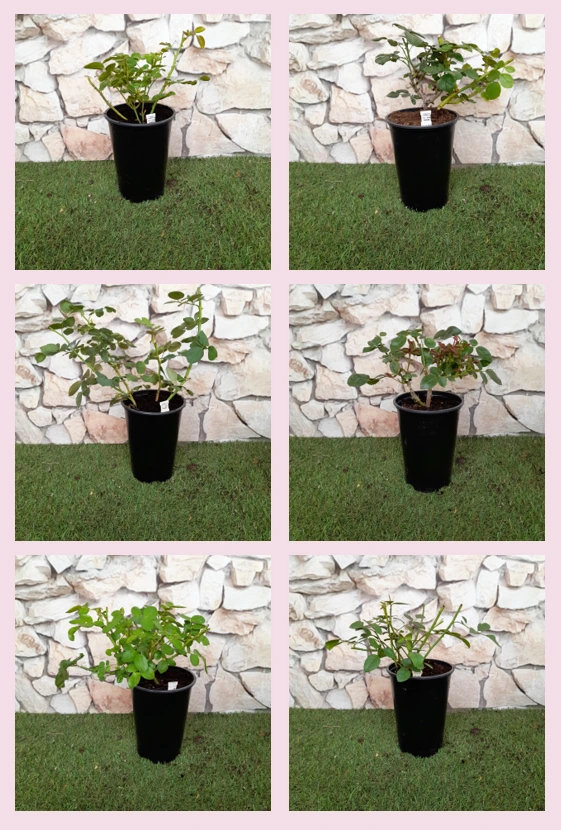
CSÍKSZEREDA – pink bedding floribunda rose from the Flowerbed rose collection; bed rose, shrub‑type floribunda, sold as a vivianaROSE ORIGINAL 2‑litre own‑root potted plant for garden use. |
| Origin and breeding |
Bred by Márk Gergely in Hungary in 2006 from a self‑cross of ‘Árpád‑házi Szent Erzsébet emléke’; introduced commercially by PharmaRosa Ltd., with exact registration year not documented. |
| Growth and structural characteristics |
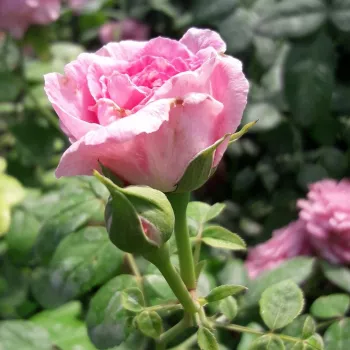
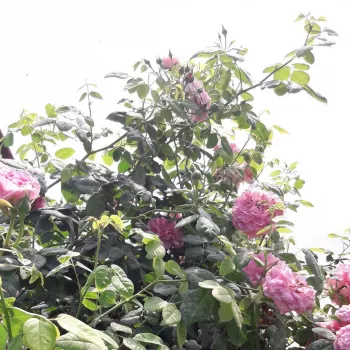
Bushy, upright shrub reaching about 100–140 cm in height and 80–120 cm in spread, with dense, glossy mid‑green foliage and moderate prickles, forming a solid, medium‑sized garden or bedding rose. |
| Flower morphology |
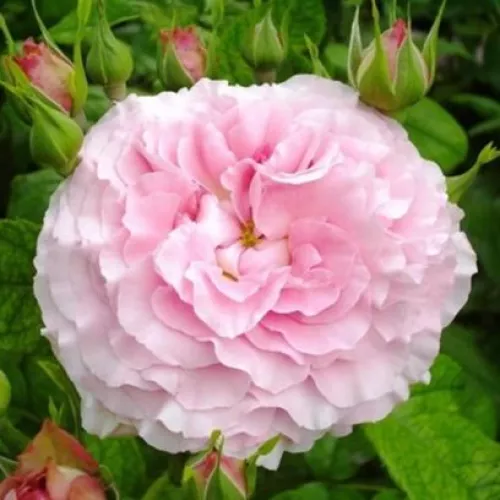
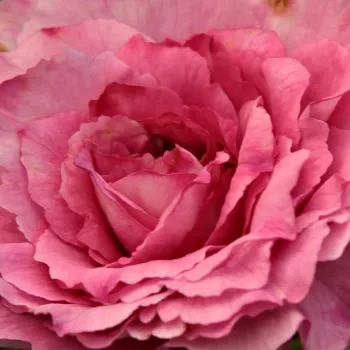
Semi‑double, globular to pompon‑shaped blooms with around 13–25 petals, produced in clustered inflorescences of medium size, flowering repeatedly through the season with a particularly generous second flush. |
| Colour data and phenology |
Deep carmine‑pink buds open to rich carmine‑pink flowers (RHS 57C outer, 57B inner), then gradually fade to lighter carmine and soft rose‑pink tones, giving a gentle colour shift as the individual blooms age. |
| Fragrance and aroma |
Fragrance is very weak and barely perceptible, making this cultivar more suitable where colour and structure are the main priorities and where strong scent is not required or could be overwhelming. |
| Hip characteristics |
Produces moderate numbers of small, 10–14 mm, ovoid orange‑red hips, adding a light decorative effect in late season without creating excessive self‑seeding or mess around paths and seating areas. |
| Resistance and winter hardiness |
Shows moderate resistance to powdery mildew, black spot and rust; hardy approximately to −21 to −18 °C (RHS H7, Swedish zone 3, USDA 6b) under normal garden conditions with standard care. |
| Horticultural recommendations |
Plant at 90–100 cm for hedges or massing, up to 150 cm as a specimen; allow 1.0–1.2 plants/m²; prefers improved, well‑drained soil, with routine pruning and occasional pest and disease checks as needed. |
CSÍKSZEREDA offers long‑season carmine‑pink colour, a stable bushy structure and steady own‑root regeneration for enduring performance, making it a thoughtful choice for relaxed coastal and family gardens.