CSODÁLATOS MANDARIN – lemon‑yellow hybrid tea rose – Márk
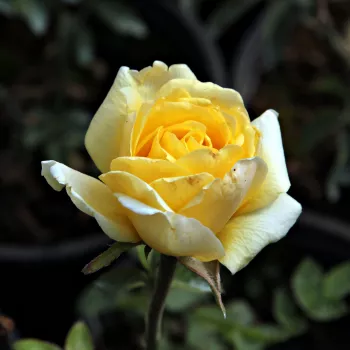
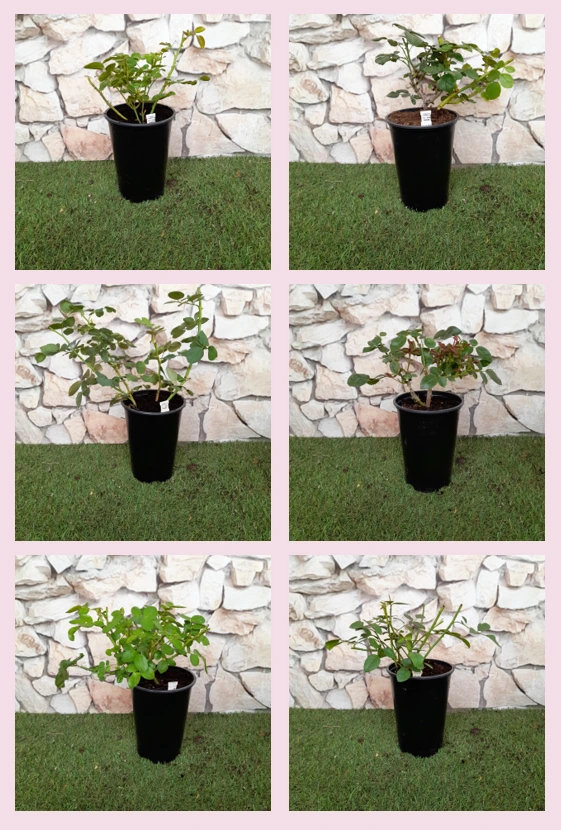
On a breezy coastal afternoon, CSODÁLATOS MANDARIN brings a sense of refreshment to your veranda or shingle garden with high‑centred, lemon‑yellow blooms perfect for relaxed afternoons and elegant home bouquets. This compact hybrid tea fits easily into smaller family gardens, holding its shape in wind while its upright growth helps anchoring and root stability in exposed coastal borders. The strongly fragrant flowers carry a rich, classic rose scent, so a few stems in a vase can fill a room after a day collecting seashells. As an own‑root plant it offers dependable longevity, quietly rebuilding itself from the base after harder winters and maintaining ornamental value over many seasons. In a large 40–50 litre container on a sunny veranda or by a sheltered seating corner, give it good drainage, regular feeding and consistent watering, and expect it to invest first in roots, then in strong new shoots, before revealing its full display by the third summer.
Usage options
| Target area | Reasoning |
|---|
| Coastal veranda container (40–50 litres) |
In a generously sized, well‑drained container this compact hybrid tea builds a stable root system and upright framework, ideal for a sunny, wind‑sheltered Cornish or Devon veranda near seating. A rewarding choice for beginners. |
| Cut‑flower corner in a small garden |
The long‑stemmed, high‑centred blooms are shaped like classic florist roses, opening from pointed buds into elegant, double flowers that last well in the vase and perfume the room. Especially appealing for homeowners. |
| Feature rose in a mixed coastal border |
Planted singly with silver foliage and grasses, its upright habit and bright lemon‑yellow flowers create a focal point that reads clearly against shingle or gravel, echoing sun and sand tones on breezy days. Well suited to coastal‑style gardeners. |
| Compact front‑garden bed by the path |
The modest height and tidy spread help it sit neatly beside drives and front paths without overwhelming the space, while the strong colour draws the eye and offers a cheerful welcome from spring to autumn. A practical option for busy households. |
| Sunny terrace or balcony pot |
In a large, heavy pot with good drainage, the plant’s manageable size and upright growth allow it to thrive where soil is limited, giving repeated flushes of scented blooms close to where you sit and relax. Ideal for urban gardeners. |
| Remontant display in family seating area |
Its ability to flower, rest and then flower again means you enjoy several waves of colour over the season, so family seating areas or play spaces gain ongoing interest rather than a short burst. A gentle pleasure for families. |
| Own‑root long‑term border planting |
As an own‑root rose it does not depend on a graft union, so if top growth is damaged it can regenerate from its own base, supporting a long lifespan and stable appearance in established borders. Reassuring for cautious beginners. |
| Heat‑exposed, sunny rose bed |
Where summers are increasingly warm, this variety copes well with heat so long as the soil is prepared for drainage and regular watering, supporting reliable flowering through hot spells in southern and coastal gardens. Helpful for climate‑aware gardeners. |
Styling ideas
- Shingle‑chic – Set in gravel with sea kale and blue Festuca for a beach‑inspired, low‑clutter coastal look – for coastal‑style enthusiasts.
- Veranda‑vase – Grow one or two in large tubs by outdoor seating for easy‑reach, fragrant cut flowers – for terrace and balcony owners.
- Lemon‑border – Combine with soft‑blue Nepeta and pale grasses to highlight the lemon blooms without crowding a small bed – for small‑garden keepers.
- Summer‑table – Create a dedicated cutting strip so regular picking keeps the plant neat while filling indoor vases – for home entertainers.
- Golden‑focus – Use as a single specimen against evergreen Hedera or fencing so its upright form and colour read as a clear focal point – for design‑conscious gardeners.
Technical cultivar profile
| Parameter | Data |
|---|
| Name and registration |
Hybrid tea rose marketed as CSODÁLATOS MANDARIN – lemon‑yellow hybrid tea rose – Márk; commercial hybrid tea type and group; formal registration details currently unavailable. |
| Origin and breeding |
Hybrid tea bred in Hungary by Márk Gergely around 2000; parentage and breeding institution not recorded; introduced to the market by PharmaRosa Ltd. with limited historical data. |
| Growth and structural characteristics |
Compact, upright plant reaching about 55–80 cm high and 50–70 cm wide; moderately thorny stems with medium‑dense, glossy mid‑green foliage suited to structured beds and containers. |
| Flower morphology |
Large, double flowers with 26–39 petals, borne mainly singly on stems; high‑centred, pointed, cut‑rose style buds opening into classic hybrid tea blooms ideal for cutting and display. |
| Colour data and phenology |
Lemon‑yellow blooms, bright at opening then softening through creamy yellow to near white at the petal edges; colour fades progressively with age, giving gentle tonal variation on the same plant. |
| Fragrance and aroma |
Pronounced, rich rose fragrance with a full, classic character; scented blooms are noticeable both in the garden and indoors when cut, adding sensory value near seating or paths. |
| Hip characteristics |
Rose hips are expected only in small numbers due to the very double flowers; where present they are roundish, around 12–18 mm across, with limited ornamental emphasis. |
| Resistance and winter hardiness |
Hardy to approximately −21 to −18 °C (RHS H7, USDA 6b, Swedish Zon 3); tolerates heat and drought with regular watering but is very disease‑susceptible, requiring attentive plant protection. |
| Horticultural recommendations |
Best in sunny, open positions with fertile, well‑drained soil; allow 50–90 cm spacing depending on use, and plan for regular spraying and hygiene, especially in damp seasons, to manage fungal diseases. |
CSODÁLATOS MANDARIN offers compact structure, richly scented lemon‑yellow blooms and dependable own‑root regeneration, making it a thoughtful choice if you would like a long‑lived hybrid tea for a favourite coastal or urban seating area.