DAME DE COEUR – red tea-hybrid rose - Lens
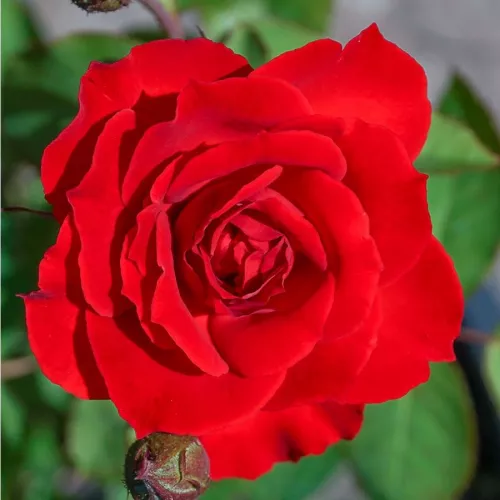
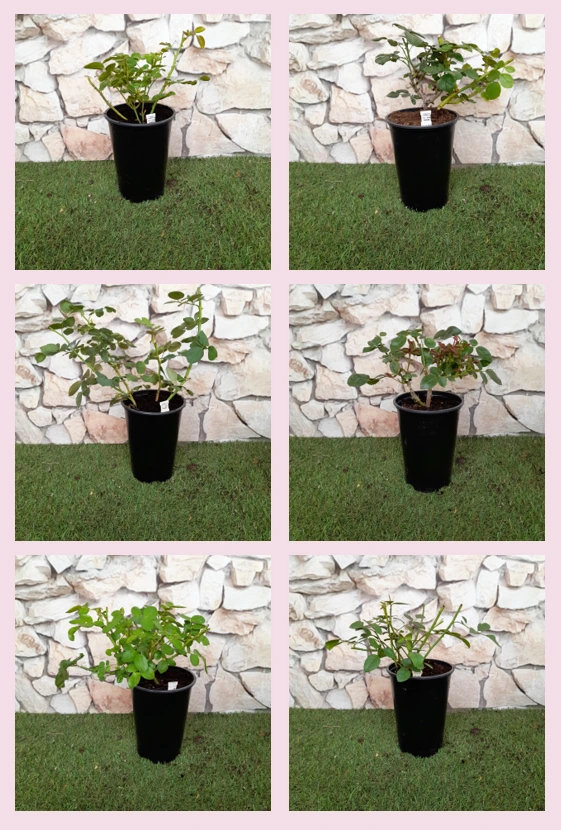
Allow Dame de Coeur to bring a touch of coastal glamour to your family garden or veranda: a classic hybrid tea whose glowing cherry-red blooms feel as indulgent as afternoon tea after collecting seashells. In a sheltered, sunny corner it copes reassuringly with brisk seaside breezes and thoughtfully managed wet soil, giving you reliable structure and colour without demanding specialist skills. As an own-root plant it offers reassuring longevity, quietly rebuilding from the base if stems are damaged and settling in for years of ornamental service. Start it in a roomy 40–50 litre container or a well-prepared bed and enjoy its upright form, neat framework and generous second flush of flowers. Over the first seasons it focuses on strong roots, then bolder shoots, and by the third year it reveals its full, velvety presence as a confident focal point in a shingle or coastal-style planting.
Usage options
| Target area | Reasoning |
|---|
| Feature rose for a small coastal veranda |
Ideal as a statement rose in a large 40–50 litre container, where its upright habit and sizeable blooms create height without overpowering a compact seating area; works well beside wind-filtering screens for those wanting relaxed coastal style beginners |
| Sunny shingle or gravel bed near the house |
Thrives in a bright, open spot when drainage is managed, its dark foliage and cherry-red flowers standing out against pebbles and pale gravel, adding structure and a long flowering window for those seeking simple impact hobby-gardeners |
| Cutting corner for home-grown bouquets |
Large, high-centred flowers on straight stems are well suited to vases, allowing regular cutting that also encourages fresh buds, so you enjoy both garden display and indoor arrangements with minimal technical know-how homeowners |
| Individual focal point in a family lawn border |
Its defined, upright framework makes it easy to place as a single specimen, giving a clear focal point that children and visitors recognise immediately, while own-root resilience supports long-term garden planning family-gardens |
| Mixed planting with low perennials |
Works effectively with airy partners such as Liatris or cheddar pinks, the rose providing height and depth of colour while companions soften the base and help mask any spent blooms between deadheading rounds design-conscious-owners |
| Sheltered coastal garden bed |
Suited to a position that is sunny yet protected from the fiercest gusts, where its stable framework and own-root anchoring help it cope with lively breezes and damp, heavy soil managed for better drainage seaside-gardeners |
| Structured terrace planting with grasses |
Combining it with compact ornamental grasses such as Festuca or with lavender gives a calm, textural frame, while the rose contributes formal blooms and a sense of occasion around seating or dining spots urban-terraces |
| Long-term rose bed with classic character |
Best used where you can commit to regular care, gaining in return a traditional hybrid tea look and the steady development from strong roots in year one to full ornamental value by year three, rewarding patient planners busy-owners |
Styling ideas
- Coastal-veranda duo – Pair in a 40–50 litre pot with soft blue Festuca and pale shingle top-dressing for a breezy, seaside feel – ideal for balcony and veranda owners
- Cherry-red focus – Plant as a single specimen in a small front garden bed, edging with low Dianthus to frame its blooms – suitable for time-pressed homeowners
- Cutting-patch classic – Group three plants at recommended spacing for a steady supply of long-stemmed flowers – perfect for home floristry enthusiasts
- Structured family border – Use as a central accent among easy perennials, giving children a clear “special rose” to recognise – good for family gardens
- Shingle-garden rhythm – Repeat at intervals along a gravel path, interplanted with Liatris and lavender for colour waves through summer – appealing to coastal-style lovers
Technical cultivar profile
| Parameter | Data |
|---|
| Name and registration |
Hybrid tea rose cultivar Dame de Coeur, registered as Dame de Coeur and marketed as DAME DE COEUR – red tea-hybrid rose - Lens; ARS exhibition name Dame de Coeur, unregistered formally. |
| Origin and breeding |
Bred by Louis Lens, Belgium, from the cross ‘Peace’ × ‘Independence’; introduced by Lens Roses in 1958 and now offered as an own-root, container-grown garden rose for private gardens. |
| Awards and recognition |
Silver medal at Baden-Baden rose trials in 1958 and Royal National Rose Society Trial Ground Certificate in Great Britain the same year, reflecting early appreciation of flower quality. |
| Growth and structural characteristics |
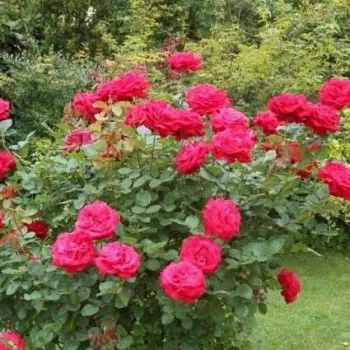
Upright hybrid tea with dense, dark green, slightly glossy foliage, height around 80–120 cm and spread 50–70 cm; moderately thorny stems and weak self-cleaning, so deadheading is beneficial. |
| Flower morphology |
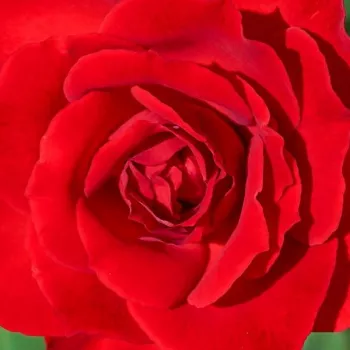
Large, double, high-centred blooms with 26–39 petals, mostly solitary on stems; extra-large flower size suited to cutting, with remontant habit and an abundant second flush in suitable conditions. |
| Colour data and phenology |
Vivid cherry-red flowers with velvety sheen, ARS code MR, RHS 46A outer and 46B inner; colour lightens slightly in strong sun, remaining deeper in cooler weather and retaining an even tone at full bloom. |
| Fragrance and aroma |
Soft, discreet fragrance, generally very weak and barely perceptible in garden use; primarily grown for its visual effect rather than scent and only modestly attractive to pollinating insects. |
| Hip characteristics |
Produces spherical orange-red hips, approximately 10–14 mm in diameter, usually in moderate quantities; ornamental in late season but not a major feature compared with the primary flowering display. |
| Resistance and winter hardiness |
Hardy to about −32 to −29 °C (USDA 4b, RHS H7, Swedish zone 5); disease resistance modest, with notable susceptibility to powdery mildew and moderate risk of black spot and rust, requiring attentive care. |
| Horticultural recommendations |
Prefers a sunny, sheltered position with good drainage; recommended spacings 50–90 cm depending on use, with around three plants per m² for mass or hedge planting and regular protection against fungal diseases. |
Dame de Coeur offers classic cherry-red blooms, strong structural presence and dependable own-root longevity, making it a thoughtful choice if you enjoy tending and shaping a traditional feature rose.