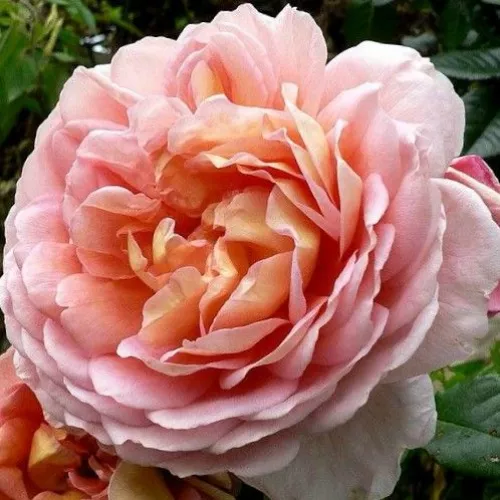
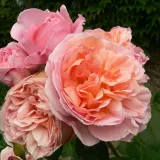
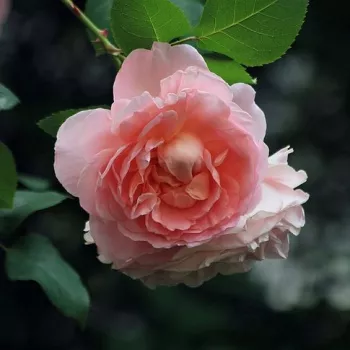
Dames de Chenonceau – DELpabra apricot-pink bedding shrub rose
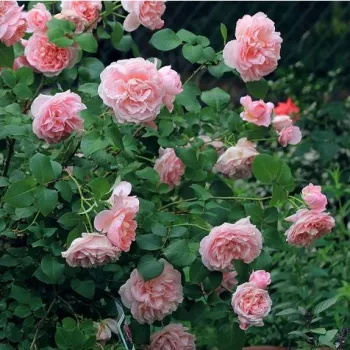
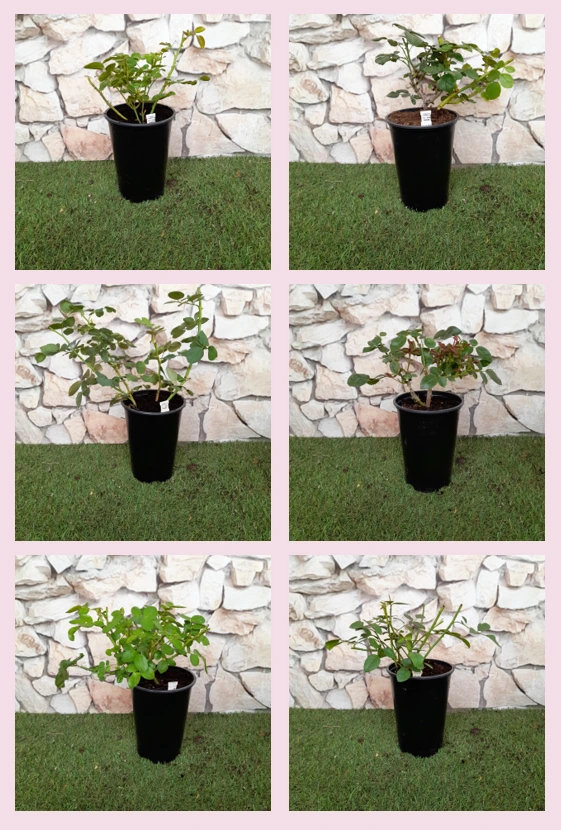
Sea-breeze freshness, soft petals, and an easy rhythm of care make Dames de Chenonceau a reassuring choice for relaxed coastal-style gardens. This compact, upright floribunda handles breezy conditions with confidence, its bushy frame quietly anchoring planting schemes where fences and houses funnel the wind across shingle or patio. Generous clusters of very double, apricot-pink cups open in waves from early summer, keeping borders and large containers in steady colour without demanding complex pruning. Strong, far-scented perfume drifts around seating areas, turning a simple afternoon tea into a moment of pure indulgence. Planted as an own-root rose in well-prepared soil, it builds a durable framework that recovers well after harsh winters or any coastal wear-and-tear. Allow it time to establish – year one for roots, year two for fuller shoots, and by year three you enjoy its complete ornamental value with minimal fuss. Ideal for busy gardeners, holiday homes and exposed verandas that still deserve a touch of Loire-Valley romance.
Usage options
| Target area |
Reasoning |
| Coastal veranda container (40–50 litre minimum) |
The compact, upright habit and dense foliage make this rose very suitable for a sheltered coastal veranda, where a large, well-drained container keeps roots comfortable and stable while the plant copes well with blustery days along the shore, offering coastal gardeners dependable colour. |
| Small family front garden by the drive |
Its moderate height and tidy spread fit neatly between parking bays, low walls and paths, giving repeated flushes of apricot-pink blooms without overwhelming the space, which suits householders who want a welcoming front garden effect without intensive maintenance. |
| Romantic seating corner with afternoon tea |
The strong, far-scented fragrance and very double, cupped flowers create a richly romantic mood close to benches, bistro sets or pergola corners, adding a sense of occasion for everyday tea breaks that appeals to anyone who values atmosphere as much as practicality. |
| Mixed border with perennials and grasses |
The bushy, floriferous structure slips naturally into informal borders, where its pastel apricot-pink tones blend easily with silvery grasses and perennials while repeat flowering ensures there are always some blooms in view, which is ideal for gardeners aiming at relaxed, naturalistic planting. |
| Low flowering hedge along a path or terrace |
Recommended hedge spacing allows it to knit into a coherent, low barrier that offers privacy and structure without blocking light, with foliage dense enough to feel substantial and flowers appearing in clusters, a combination that works well for families wanting gentle separation of garden zones. |
| Clay-based family garden beds with improved drainage |
In many UK gardens with heavier soils, this rose responds well once drainage is improved, its own-root system gradually developing into a resilient framework that copes with wet winters and drier summers, reassuring those coping with challenging ground in ordinary housing estates. |
| Feature rose in a coastal-style shingle bed |
The upright, bushy habit works as a focal point rising from shingle and low planting, while thoughtfully prepared planting pockets support root growth despite the free-draining setting, which helps coastal-style enthusiasts achieve a “by-the-sea” look without sacrificing floral abundance. |
| Cutting corner for scented home bouquets |
Clustered stems bearing medium–large, very double flowers provide plenty of material for short, fragrant arrangements, and steady remontant flowering means new stems follow soon after cutting, suiting home florists who like to bring their garden’s character indoors regularly. |
Styling ideas
- Harbour-terrace – Place in a 50–60 litre clay pot with blue-grey Festuca and white gravel mulch for a Cornish harbour feel – for balcony and veranda owners seeking coastal charm.
- Pastel-border – Combine with sea kale, soft pink Lychnis and airy grasses to echo beach meadows in gentle tones – for gardeners creating relaxed, naturalistic family borders.
- Courtyard-focus – Use a single specimen at the centre of a small paved courtyard, underplanted with low lavender for scent on still evenings – for homeowners with compact, sun-trap spaces.
- Seaside-hedge – Plant a short row along a shingle path with Allium dots in early summer, blending structure and softness – for those wanting a low, pretty guide-line to garden seating.
- Tea-corner – Flank a bistro set with two large containers, echoing the Loire château mood with apricot-pink cups and perfume – for romantically minded gardeners who enjoy slow weekend breakfasts.
Technical cultivar profile
| Parameter |
Data |
| Name and registration |
Floribunda shrub rose marketed as Delpabra bedding shrub rose DELpabra; exhibition name Dames de Chenonceau; registered cultivar name DELpabra, belonging to the bed rose commercial group. |
| Origin and breeding |
Bred by Georges Delbard, France, around 2002; introduced by Pépinières et Roseraies Georges Delbard SA, with parentage not disclosed, representing modern French shrub and bedding breeding lines. |
| Growth and structural characteristics |
Upright, bushy growth reaching about 80–100 cm in height and 50–70 cm spread, with dense, dark green, slightly glossy foliage and moderate prickliness, forming a compact, substantial shrub for borders or hedging. |
| Flower morphology |
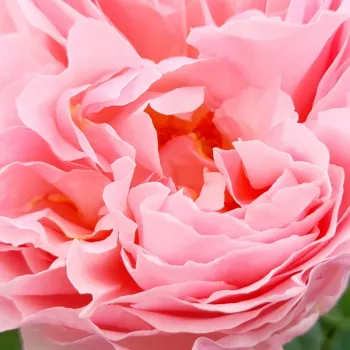
Very double, cupped blooms with over 40 petals, generally borne in clusters of three to five on a stem; large flower size within the floribunda class, with reliable remontant flowering and a strong, abundant second flush. |
| Colour data and phenology |
Apricot-pink flowers graded RHS 36C outer and 36D inner; buds deep rose-peach with coral undertone, opening to salmon-pink then paling to creamy pastel pink, with colour holding better in cooler or less intense sunlight. |
| Fragrance and aroma |
Described as strongly scented with a far-reaching perfume typical of full old-style roses; although detailed fragrance notes are not specified, the strength makes it suitable for planting near paths, doors and seating areas. |
| Hip characteristics |
Hip set is usually limited due to the very double flower form; where formed, they are small ovoid red hips around 10–14 mm across, providing occasional late-season ornamental interest without significant seeding. |
| Resistance and winter hardiness |
Rated to approximately −21 to −18 °C (USDA 6b, RHS H7), with good resistance to black spot and powdery mildew and moderate rust resistance; needs watering in prolonged heat and benefits from basic preventive care. |
| Horticultural recommendations |
Performs best in full sun with well-prepared soil; plant 40 cm apart in mass, 35 cm for hedges, or 65 cm as specimen; moderate maintenance with some deadheading and occasional pest and disease control advised. |
Dames de Chenonceau (DELpabra) offers compact structure, repeat apricot-pink flowering and strong scent in an own-root form that matures into a durable garden feature, making it a thoughtful choice if you value lasting beauty with modest effort.