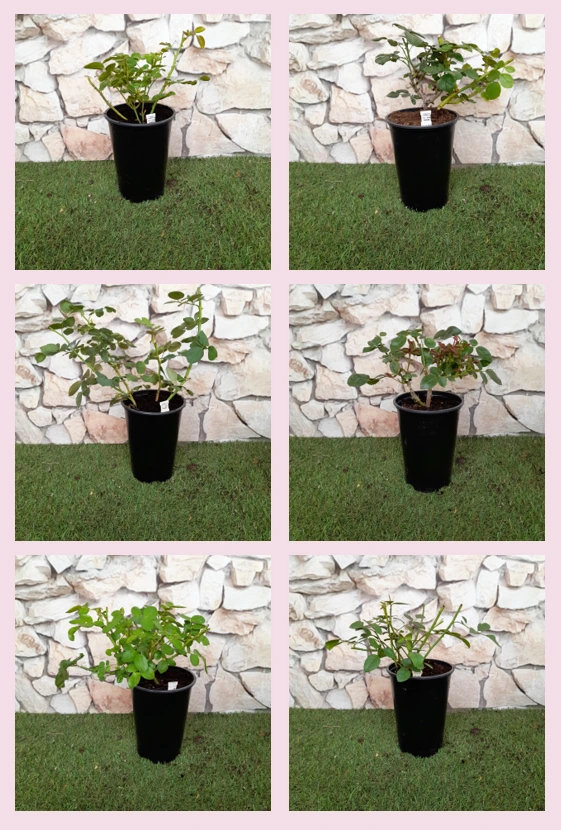
DELSET – pale pink hybrid tea rose – Delbard-Chabert
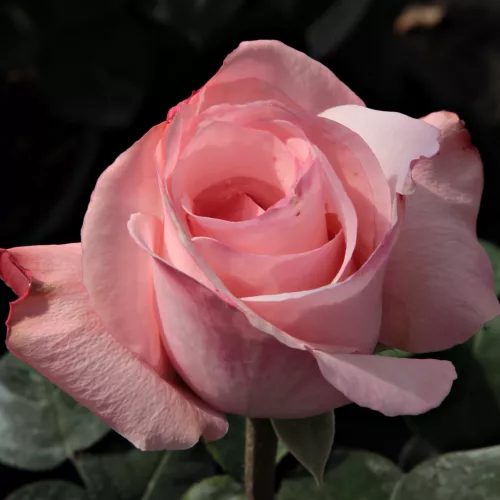
Imagine your coastal veranda softened by large, pastel-pink blooms, their light, sweet perfume drifting in on a sea breeze as the rose forms a gentle windbreak that copes well with exposed, showery weather and freely draining or improved clay soil; this is where Versailles grace meets everyday ease. The upright, bushy habit stays compact for smaller spaces, while the dense, glossy foliage gives reliable structure behind shingle, gravel or sea-kale plantings. As an own-root rose, it builds strength steadily below ground, promising long-term resilience, recovery after harsh seasons and a stable, refined display of flowers. Its repeat-flowering rhythm keeps the pale-pink cups returning from early summer well into autumn, so you can cut stems for the table without leaving the garden bare. Over time the bush anchors itself more firmly, helping it stand up to coastal breezes, yet remaining easy to manage in a large 40–50 litre container or a narrow border. Expect a gentle development arc as it settles in – roots in the first year, confident shoots in the second, and a fully formed ornamental presence by the third – offering lasting calm, understated luxury and a quietly elegant backdrop to family life by the sea.
Usage options
| Target area | Reasoning |
|---|
| Coastal veranda container (40–50 litre) |
Its compact, upright form and dense foliage give a structural, wind-softening presence that suits verandas and roof terraces, while own-root vigour supports a long-lived potted specimen with minimal fuss for beginners. |
| Small front garden feature by the path |
The pale pink, goblet-shaped blooms read clearly from the pavement without overwhelming a narrow border, providing refined curb appeal and an elegant welcome for busy homeowners. |
| Shingle or gravel planting in coastal style |
The bushy habit and glossy leaves stand out against gravel and shingle, and once established the plant anchors well in improved coastal soils, coping with wet, blustery spells typical of exposed gardens for coastal gardeners. |
| Cutting rose for vases and tea table |
Large, long-stemmed hybrid tea blooms with a light, sweet perfume are ideal for cutting, and regular harvesting encourages more flowers through the season, giving simple luxury indoors for rose lovers. |
| Mixed border with perennials and grasses |
The steady repeat-flowering rhythm threads candy-pink colour through summer, pairing beautifully with lavender, sea kale or fine grasses, so borders keep their charm even when perennials pause for hobby gardeners. |
| Low, formal line or loose hedge |
Planting at hedge distances creates a low, airy screen of glossy foliage and pastel flowers, softening boundaries without heavy clipping, while own-root plants knit into a durable, repairable line for long-term planners. |
| Sheltered family seating or “tea corner” |
Placed near a bench, its gentle fragrance and calm colouring create a restful atmosphere; moderate disease resistance and straightforward pruning keep upkeep light for those wanting relaxation rather than chores for time-poor families. |
| Replacement planting in older rose beds |
Own-root growth makes it a sound choice where grafted roses have declined, as it rebuilds from the base after stress and gradually restores a stable, ornamental display that matures gracefully for garden renovators. |
Styling ideas
- Sea-parlour border – Combine with lavender and Artemisia along a veranda edge for a silvery-blue and pale-pink ribbon that reads well from indoors – ideal for coastal-style enthusiasts.
- Shell-path welcome – Flank a front path of gravel or shells with these roses for upright, candy-pink blooms that greet guests without crowding the walkway – perfect for compact front gardens.
- Tea-and-roses nook – Place a large pot beside a bistro set, underplanted with low Festuca, so repeat blooms and soft movement frame your afternoon tea – suited to balcony and veranda users.
- Pastel cutting strip – Run a narrow bed near the back door with this rose in a simple row, giving easy access to long stems for vases all season – appealing to home florists.
- Calm coastal mix – Interweave the bush with sea kale and softly waving grasses in a shingle bed for a naturalistic but tidy look that stays attractive with limited maintenance – good for relaxed family gardens.
Technical cultivar profile
| Parameter | Data |
|---|
| Name and registration |
Hybrid tea rose, registered as DELset and marketed as Delset Hybrid tea rose DELset, with American Rose Society exhibition name Versailles for show and cutting use. |
| Origin and breeding |
Bred by André Delbard-Chabert at Pépinières et Roseraies Georges Delbard, France, from complex hybrid tea parentage, bred 1966 and introduced and registered in 1967. |
| Awards and recognition |
Highly decorated: Geneva New Rose Competition Gold Medal, Bagatelle Cut Rose Show Gold Medal, Lyon Vermeil Medal, Saverne Silver Medal, plus a special award for fragrance. |
| Growth and structural characteristics |
Upright, bushy habit 75–105 cm high and 50–70 cm wide, moderately thorny stems and dense, dark green glossy foliage forming a neat, medium-sized shrub suitable for borders or containers. |
| Flower morphology |
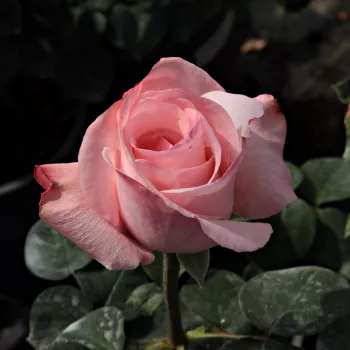
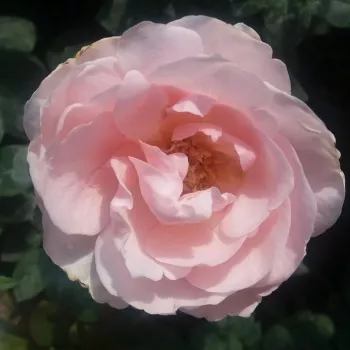
Classic hybrid tea form with solitary, goblet-shaped, double blooms, around 26–39 petals and large-flowered size, repeat-flowering with particularly abundant second flush in suitable conditions. |
| Colour data and phenology |
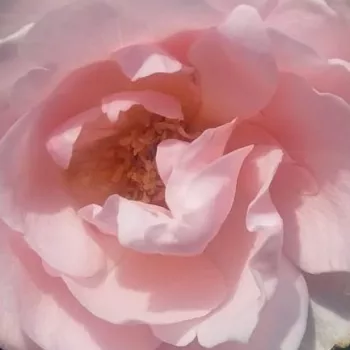
Soft, pale pink flowers (ARS LP; RHS 55C outer, 54D inner) opening from powder pink buds, then lightening to pastel with pearly white edges and a subtle silky sheen before eventual fading. |
| Fragrance and aroma |
Light, understated fragrance of slightly sweet character; pleasant at close range around seating or when used as a cut flower, without being overpowering in smaller, enclosed garden spaces. |
| Hip characteristics |
Produces occasional small hips, 8–12 mm, ovoid and orange-red, adding modest late-season interest but not generally grown primarily for decorative fruit effect in the garden. |
| Resistance and winter hardiness |
Medium overall disease resistance; good resistance to powdery mildew and black spot, medium against rust. Hardy to about −21 to −18 °C (RHS H7, Swedish zone 3, USDA zone 6b). |
| Horticultural recommendations |
Plant 50–60 cm apart for hedges or groups, 90 cm as a specimen; prefers well-drained but moisture-retentive soil, regular deadheading, balanced feeding and occasional plant protection in high-pressure years. |
DELSET offers refined pale-pink blooms, steady repeat flowering and a compact form that suits UK coastal-style spaces, while its own-root build delivers durable, easily maintained beauty; consider it when planning a long-lived, elegant family garden feature.