DELSTROBLA – red-white bedding floribunda rose – Delbard
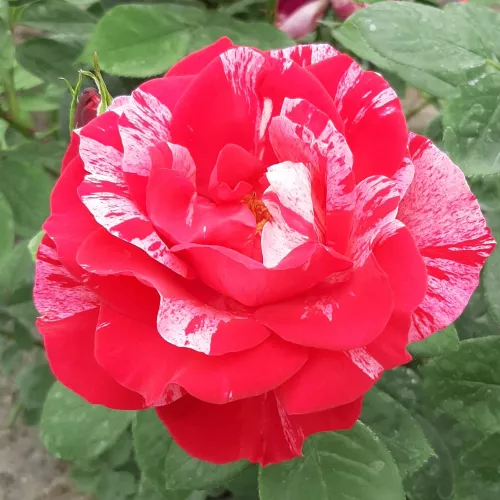
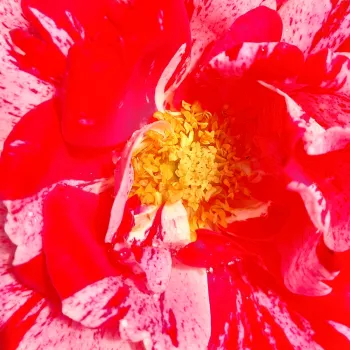
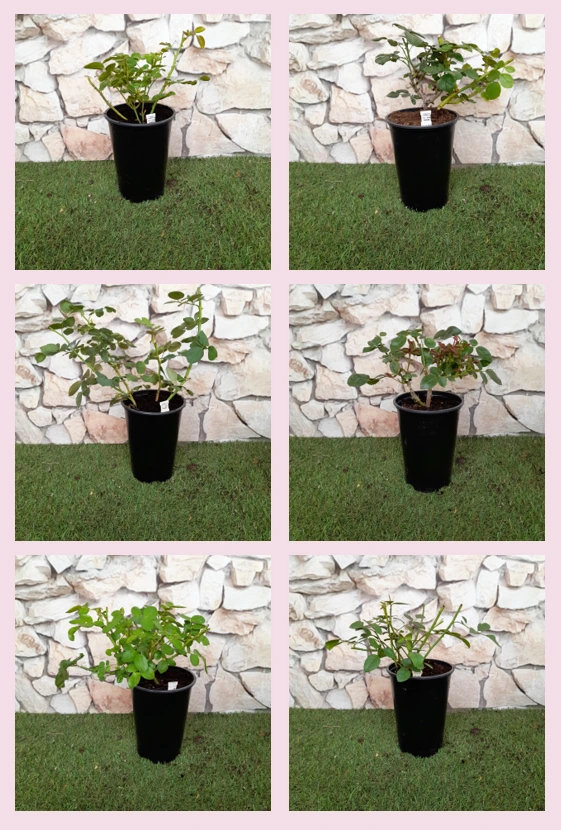
Breathe in seaside refreshment with DELSTROBLA, a compact floribunda that slips easily into family gardens and small coastal plots where good drainage keeps roots secure in blustery, wet weather. Its bushy, upright habit stays neatly within bounds, ideal for shingle strips, front gardens or a roomy container on a veranda, while own-root vitality supports a long-lived, reliable display. Large, fully double, carmine-and-cream striped blooms appear in generous clusters, repeating from early summer into autumn for prolonged seasonal colour and a fresh, raspberry-toned fragrance that suits evening tea outdoors. Medium maintenance and moderate disease resistance keep care pleasantly manageable, and the rounded framework anchors well in breezy sites. Plant once, then enjoy it settling in as roots establish in year one, shoots fill out in year two, and full ornamental impact arrives by year three for relaxed coastal-style gardens.
Usage options
| Target area | Reasoning |
|---|
| Coastal veranda container (40–50 litre) |
A bushy, upright habit and compact spread make DELSTROBLA well suited to a single large container on a windy veranda; substantial pots help drainage and keep roots stable in wet, breezy conditions, supporting easy enjoyment for the busy beginner. |
| Small front garden feature bed |
Its moderate height and dense foliage form a tidy, eye-catching mound of striped flowers that refresh a modest front border without dominating, providing repeat colour with only basic pruning for the time-pressed homeowner. |
| Mass bedding in family gardens |
Regular clusters of large, fully double blooms create a vivid carpet of colour when planted in groups, giving strong visual impact from limited space and simple care routines that appeal to the low-effort gardener. |
| Season-long colour near seating areas |
Remontant flowering ensures successive waves of blooms beside patios or garden benches, offering a long season of interest that pairs naturally with relaxed tea breaks outdoors for the comfort-seeking garden user. |
| Cutting for informal indoor bunches |
The long-stemmed, hybrid-tea influenced flowers with distinctive striping bring painterly character to simple vases, letting you enjoy the medium, fruity raspberry scent indoors as well as outside as a style-conscious decorator. |
| Mixed coastal-style shingle border |
The compact, well-rooting framework anchors the plant amid gravel, combining with sea-kale-like foliage or grasses for a relaxed shore effect and coping well where good drainage and secure footing are essential to the coastal enthusiast. |
| Urban courtyard with limited light |
In a bright, sheltered city courtyard, its neat form and repeat flowering offer reliable structure and colour even where space is tight, rewarding straightforward watering and feeding habits for the urban balcony owner. |
| Long-lived focal shrub in family border |
As an own-root plant, DELSTROBLA regenerates well from the base and maintains a stable look over the years, giving dependable structure and colour with modest upkeep that suits the long-term planner. |
Styling ideas
- Harbour-Veranda – Set in a 50-litre tub with silvery Festuca and a low lavender, evoking Cornish harbourside charm – ideal for coastal-style lovers wanting easy, repeat colour.
- Painter’s-Bed – Mass-plant in a front garden bed with white Salvia nemorosa to echo the striped blooms – for homeowners who enjoy bold but tidy statement planting.
- Shell-Path – Line a shingle path with spaced specimens and pockets of sea kale or similar foliage – perfect for gardeners creating a seaside walk in compact plots.
- Tea-Corner – Place near a small terrace table with soft grasses and creeping Gypsophila for airy, scented evenings – suited to busy people seeking a simple relaxation spot.
- Urban-Gallery – Combine in large planters with upright Liatris spicata 'Alba' for a modern, artistic look – for balcony and courtyard owners who favour contemporary design.
Technical cultivar profile
| Parameter | Data |
|---|
| Name and registration |
Floribunda bed rose; registered as DELstrobla, marketed as Delstrobla Les Roses de peintres; exhibition name ‘Henri Matisse’, honouring the French painter of the same name. |
| Origin and breeding |
Bred by Georges Delbard, France, from complex hybrid parentage including ‘Lara’, ‘Candia’, ‘Aromaepi’ and ‘KORpek’; introduced and registered in 1993–1994 as a garden and exhibition variety. |
| Growth and structural characteristics |
Forms a bushy, upright shrub 75–105 cm tall and 45–65 cm wide, with dense, glossy dark green foliage and moderate prickliness; best planted 40–60 cm apart depending on use. |
| Flower morphology |
Large, fully double, cup-shaped blooms with 26–39 petals appear in clusters; repeat flowering is strong, with a generous second flush and continued intermittent blooms into late season. |
| Colour data and phenology |
Red-white striped flowers: deep carmine ground with irregular white bands, ARS RB, RHS 53B outer and 155D inner; tones soften to raspberry-pink and creamy white while retaining marbled character. |
| Fragrance and aroma |
Medium-strength scent clearly perceptible around the plant; fragrance character is fresh, fruity and raspberry-like, complementing the lively colour pattern without becoming overpowering in small spaces. |
| Hip characteristics |
Hip set is generally sparse due to the fully double form; occasional small, ovoid orange-red hips 8–12 mm may appear, adding modest late-season interest without messy heavy fruiting. |
| Resistance and winter hardiness |
Hardy to approximately −21 to −18 °C (RHS H7, USDA 6b, Swedish Zone 3); disease resistance moderate, with potential for powdery mildew, black spot and rust requiring occasional monitoring. |
| Horticultural recommendations |
Prefers full sun and well-drained soil; moderate maintenance with deadheading to support repeat bloom; suitable for beds, hedging and containers, especially in urban and coastal-influenced gardens. |
DELstrobla offers compact structure, season-long striped blooms and fresh fragrance in a durable own-root form that establishes for years of dependable colour, making it a thoughtful choice for relaxed coastal and family gardens.